Lunar infusions: gentle herbalism to support sleep cycles
🚀 Key Takeaways
- Core concept : Lunar infusions combine nocturnal timing (moonlight or evening rituals) with calming herbs to support sleep.
- Practical tip : Try a blend of chamomile, lemon balm and lavender, steeped 7 minutes, 30 minutes before bed.
- Did you know : Modern herbal revival on social platforms since 2019 popularized "moon rituals", but plants have been used for sleep for centuries.
Night feels sacred again.
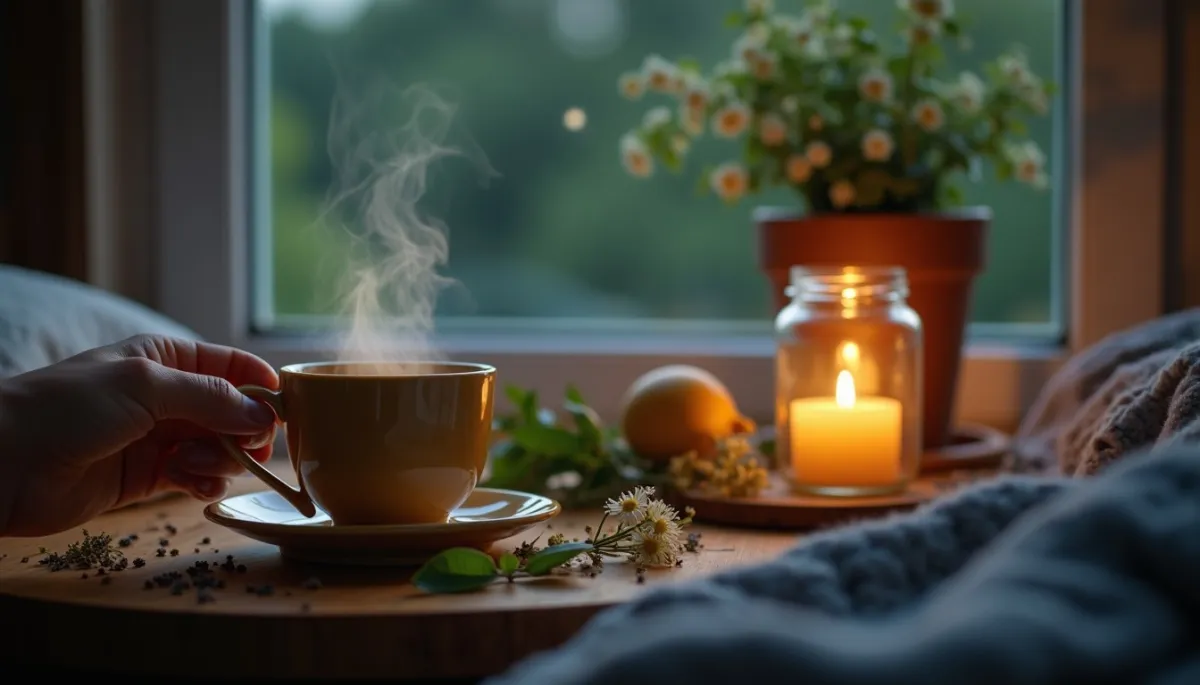
Picture a small wooden table by a bedroom window, the moon pale and patient above the city. Steam rises from a cup of herbal infusion, and the jar of dried herbs carries the faint perfume of lavender and citrus. A phone is turned face down. The moment is deliberately slow.
Nights reclaimed
Interest in lunar infusions has grown in the last five years, visible on platforms like Instagram and TikTok where hashtags referencing moon rituals reached millions of views between 2019 and 2023. People seek low-tech, sensory habits to counter screen-induced sleep disturbance and anxiety.
Herbs such as chamomile (Matricaria recutita), lemon balm (Melissa officinalis), lavender (Lavandula angustifolia), valerian (Valeriana officinalis) and passionflower (Passiflora incarnata) are often used. Each has a long ethnobotanical record: chamomile is recorded in European herbals since antiquity, while valerian appears in Roman writings.
This trend responds to measurable needs. According to the U.S. Centers for Disease Control (CDC), roughly one third of adults report sleeping less than the recommended seven hours. People are trying contextual rituals, not only supplements, to rebuild sleep architecture.
Roots and rhythm
The idea of aligning herbal practice with lunar phases borrows from older traditions. In medieval Europe, Hildegard von Bingen and later herbals advised timing and preparation of remedies with celestial observations. Similarly, many indigenous pharmacopeias emphasize the moment of gathering and preparation.
"Lunar infusion" can mean two things. First, an infusion consumed in the evening as part of a bedtime ritual. Second, an extract prepared or left soaking under moonlight (sometimes called "moon water"). Scientifically, moonlight does not change the phytochemistry notably, but the ritual frame can amplify perceived effects through expectation and relaxation.
Modern herbalists such as Rosemary Gladstar and Susun Weed have popularized gentle, food‑like uses of herbs rather than pharmacological preparations. The aim is supportive, not curative: to lower arousal, to signal to the nervous system that sleep time is near.
Questions and cautions
Despite anecdotal enthusiasm, evidence remains partial. Clinical trials for single herbs exist, for example valerian has mixed results in randomized studies published since the 1990s. For many multi-herb blends, rigorous data are scarce. Expect subjective improvements more often than guaranteed cures.
Safety matters. Some herbs interact with medications or are not recommended in pregnancy. For instance, valerian can potentiate sedatives, and passionflower may affect blood pressure. Always consult a health professional before regular use, especially if you take prescriptions.
Practical recipe: combine 1 tsp chamomile, 1 tsp lemon balm, 1/2 tsp dried lavender. Pour 250 ml of water just off the boil, steep 7 minutes, strain and drink warm 30 minutes before bed. For a moonlit variation, place a glass jar of water and a sprig of herbs on a windowsill overnight; use the water as a rinse or a mild aromatic booster, not as a medical extract.
Thanks for reading, and don't forget, Enjoy Life Moments!