Didier Drogba: the day a football captain paused a civil war
🚀 Key Takeaways
- Concept key : One public figure can trigger a real pause in violence.
- Practical advice : Use community sports to create neutral spaces for dialogue.
- Did you know : Ivory Coast qualified for its first FIFA World Cup in 2006, a milestone that amplified Drogba's voice.
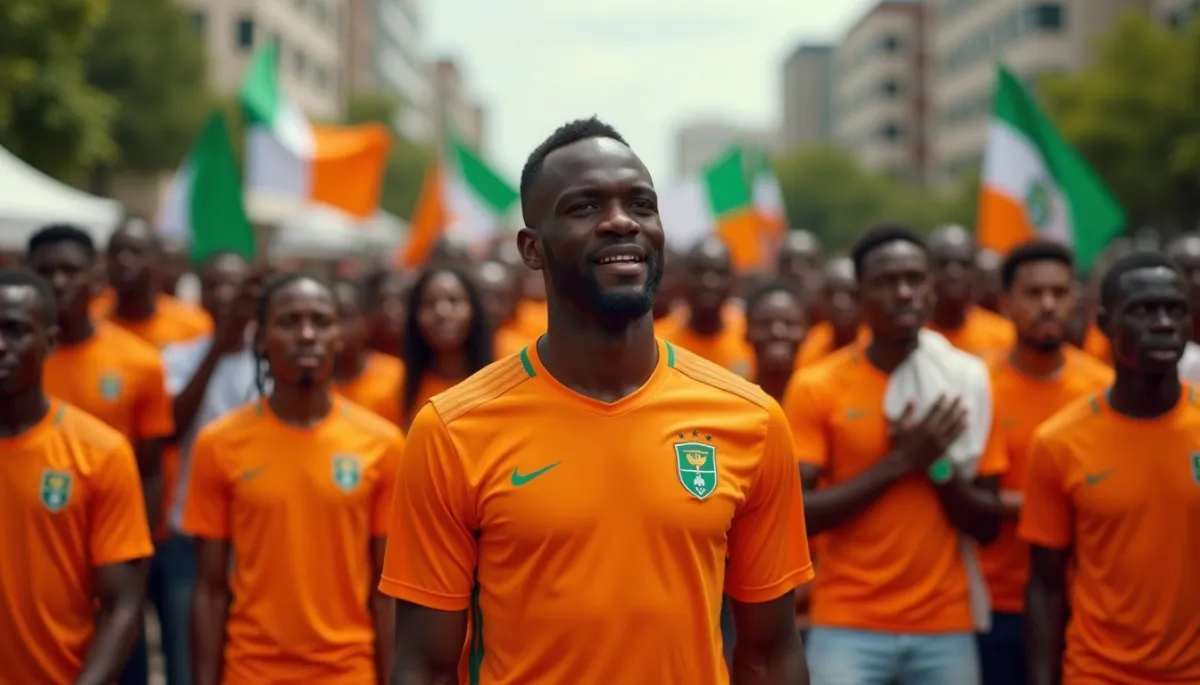
He spoke not as a politician, but as a son of his country. Imagine a stadium filled with orange shirts, radios in dusty markets, families gathered around small TV screens; outside those rooms, frontlines fell silent long enough for people to watch a match together.
The weight of the shirt
Didier Drogba, born 11 March 1978 in Abidjan, rose from local pitches to the top of European football, notably with Chelsea FC where he won multiple Premier League titles and the 2012 UEFA Champions League. As captain of the Ivorian national team, he carried not only a crest but a nation's expectations.
Ivory Coast's qualification for the 2006 FIFA World Cup in Germany marked the first time the country would attend football's biggest stage. That success transformed Drogba from star striker to a symbol, his performances in qualifiers turned into a collective pride shared across political lines.
On the international scene, Drogba was recognized for his goals, his physical power, and his leadership. Off the pitch, he later became known for philanthropy, creating the Didier Drogba Foundation to support health and education programs in Ivory Coast.
Roots of a plea
The civil conflict that fractured Ivory Coast since 2002 divided cities like Abidjan from towns in the north. By the mid-2000s daily life was punctuated by checkpoints and uncertainty. Sport, and football in particular, remained one of the few threads connecting people across those divides.
After the qualification for the 2006 World Cup, Drogba used his heightened visibility to appeal for calm. In stadiums and on television, he asked fighters and civilians alike to allow the country to enjoy its historic moment. The call was simple, direct and personal: let Ivorians celebrate together.
That appeal resonated. Reports from the period describe localized truces and a dramatic reduction of hostilities around match days, allowing many families to gather and watch Ivory Coast play. The gesture illustrated how soft power, anchored in shared passion, can produce tangible changes on the ground.
Echoes and limits
His intervention did not instantly resolve the deeper political crisis. Negotiations, regional diplomacy and later agreements were necessary to move toward a durable peace. The Ouagadougou Political Agreement, signed in March 2007, was one such step in a complex process.
Yet the episode left a moral imprint. Drogba's voice showed that non-state actors can shape public space and create breathing room for dialogue. It also raised questions about responsibility and limits: a footballer can call for peace, but cannot substitute institutions and long-term reconciliation work.
In the years that followed, Drogba continued to invest in his country, both symbolically and materially. He used his foundation to build health clinics and support schooling, turning momentary truce into longer-term commitments to social rebuilding.
For readers inspired by this story: support local sports programs that foster inclusion, volunteer with community mediation groups, and consider small donations to trusted charities working in conflict-affected zones. Sport can open doors, but lasting peace needs structures that follow.
Thanks for reading, and don't forget, Enjoy Life Moments!