Cully: the intimate jazz capital among the vineyards
🚀 Key Takeaways
- Concept key : Intimate jazz festivals in a vineyard setting.
- Practical tip : Visit in July, take the train from Lausanne and book cellar concerts early.
- Did you know : Lavaux terraces are UNESCO-listed since 2007 and shape Cully's soundscape.
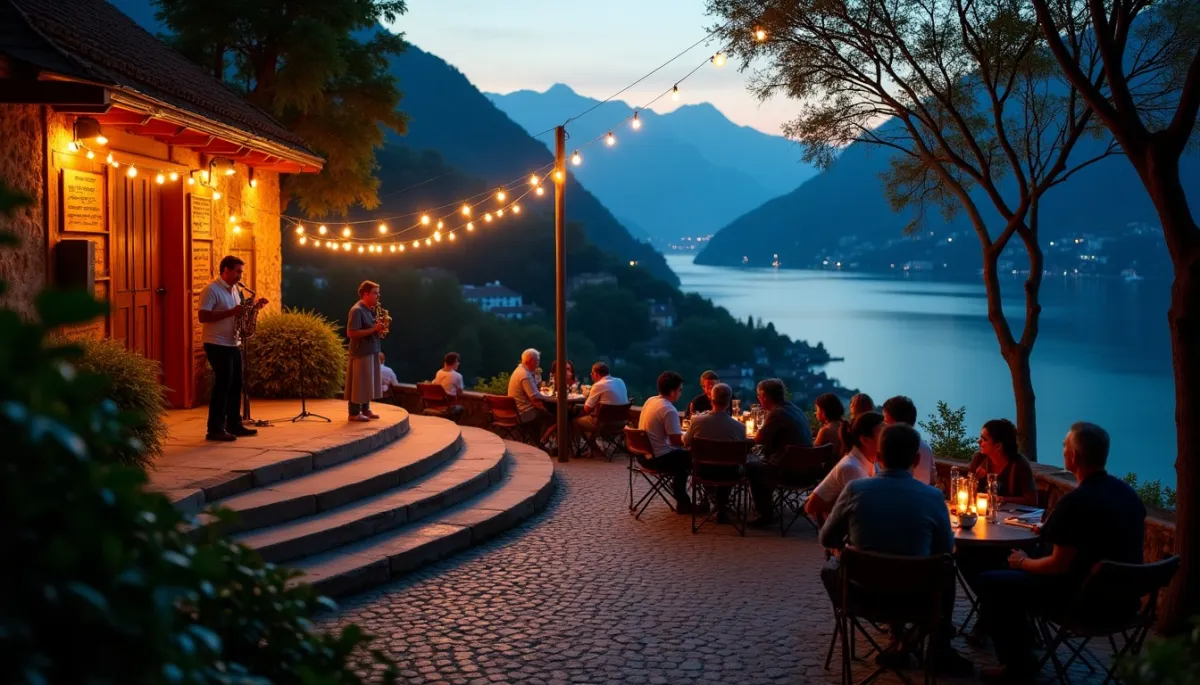
Close your eyes and listen. A saxophone answers a distant oar sliding on Lac Léman, while tiny lights highlight stone terraces.
Accents du village
Each July, Cully slips into a rhythm where small venues matter more than headline arenas. Concerts take place in cellar rooms, village squares and on vineyard terraces; audiences are centimeters from the musician, not kilometers. That proximity produces an intimacy where a breath, a string scrape, a whispered audience reaction becomes part of the music.
The Cully Jazz scene favors sessions for a few dozen to a few hundred spectators, not mass shows. This creates conversations between artists and listeners. You leave a concert with a name remembered, an anecdote about a solo that lasted a minute longer, a handshake with the guitarist in the square.
Beyond the formal festival, informal jam sessions and pop-up sets appear throughout the summer, at winegrowers' open-cellars and on boats crossing the lake. The result is a dense, layered cultural calendar rather than a single block of events.
Pourquoi ici
Cully's identity is geographical and historical. The Lavaux terraces, recognized by UNESCO in 2007, frame the village and its culture. The steep, stone-walled vineyards (working mainly with the Chasselas grape) create natural amphitheaters where sound travels differently, warmer, sweeter.
Proximity matters. Cully is a short train ride from Lausanne and Vevey, making it easy for city audiences to arrive and return the same evening. Local cafés and winegrowers embraced music early in the 2000s, offering cellars and patios as stages. That grassroots partnership between producers and musicians built the festival's distinctive, intimate profile.
Culturally, Swiss festival organizers have prioritized artist-audience closeness. In Cully, this translated into curated line-ups that favor nuanced sets: acoustic projects, small ensembles, cross-genre collaborations. The result is a reputation for discovery, not just big names.
Entre vignes et avenir
The model has strengths and tensions. Intimacy limits capacity and revenue, which forces creative programming and local partnerships. In 2020, like many festivals, Cully had to reimagine formats; streaming and smaller, distributed concerts grew. These changes challenge tradition, but they also open new audiences beyond the terrace.
Climate change is another variable. Warmer vintages affect harvests and the calendar of open-air events. Local organizers now plan backup venues inside stone cellars and spread concerts across more days to avoid weather risks. At the same time, winemakers experiment with cooler microplots to preserve Chasselas character.
For the visitor, the advice is simple: come in July, book early, pair a cellar concert with a tasting of Dézaley or La Côte Chasselas, and plan to walk between venues. Bring a light jacket for lakeside nights. Above all, arrive ready to lean in—the best moments happen in the small spaces where music and vine meet.
Thanks for reading, and don't forget, Enjoy Life Moments!