The Bardot myth: how an actress reshaped the village of Saint-Tropez
🚀 Key Takeaways
- Core concept : Brigitte Bardot's rise to stardom in 1956 turned Saint-Tropez from a quiet fishing village into an international destination.
- Practical tip : Visit early in the morning to catch the authentic port, and walk to La Madrague viewpoint rather than trying to enter the private property.
- Did you know : The town's cinematic image was later reinforced by the 1964 film "Le Gendarme de Saint-Tropez", which cemented its playful reputation.
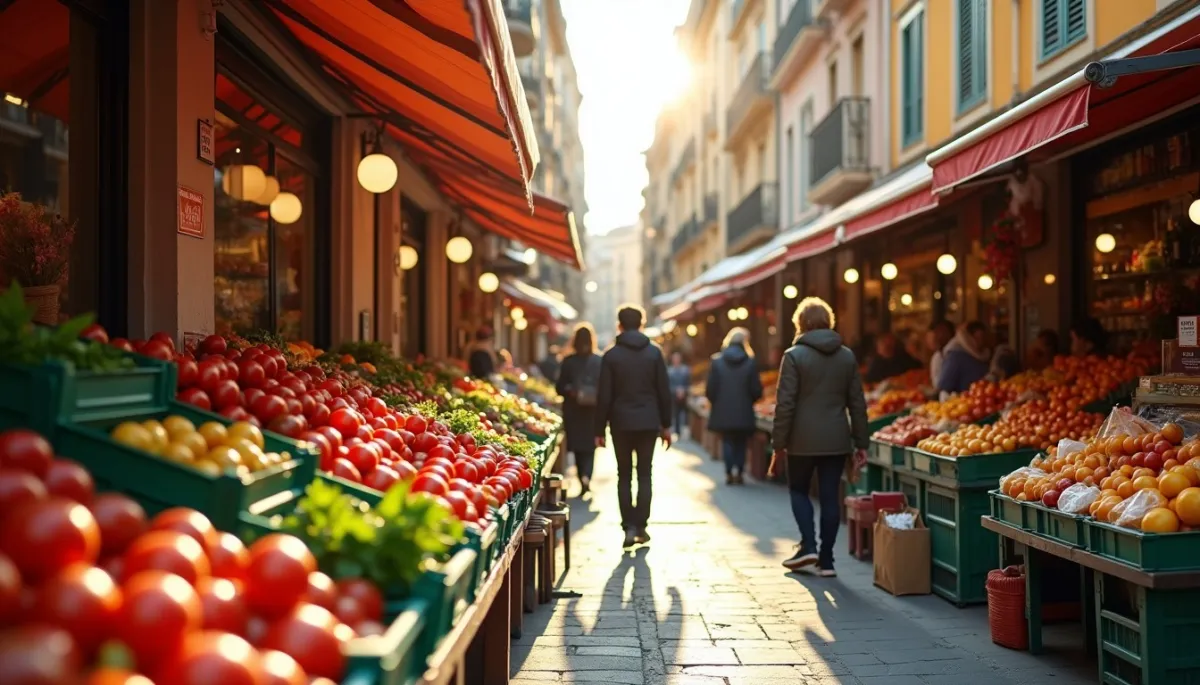
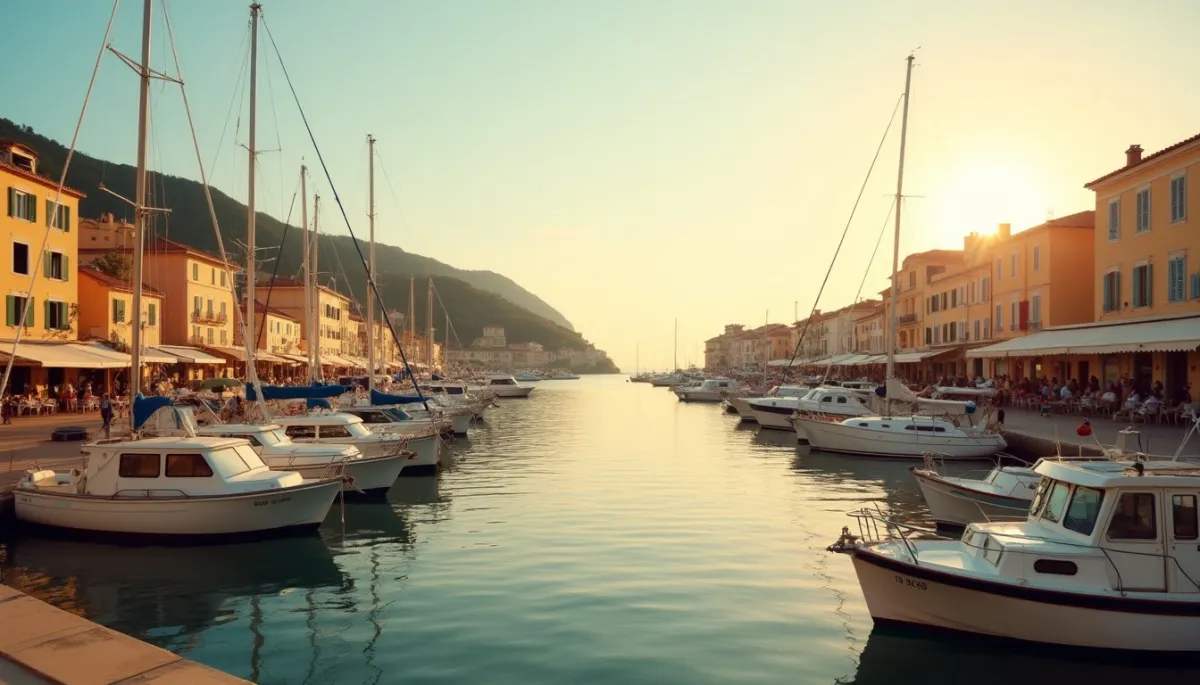
She appears, sunlit and unexpected, stepping from the sea in a moment that made half the world look toward a small Provençal bay. Picture the port at dawn, the fishing boats tied to the quay, a few market stalls opening, and the pink and ochre facades reflecting on the water. That contrast—simple village life and sudden glamour—is the opening scene of the Saint-Tropez legend.
Un village révélé
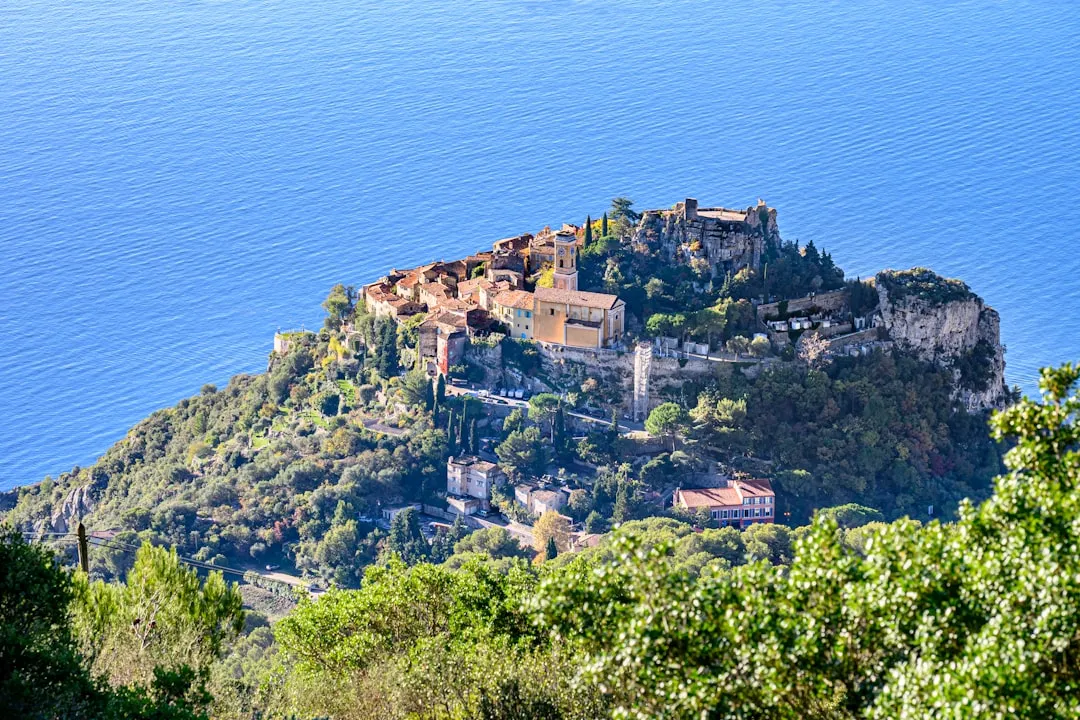
Before the mid-1950s Saint-Tropez was best known to a few sailors and painters. The town lived from fishing, small-scale agriculture and the rhythm of the seasons. Summers brought vacationers from the region, but the pace remained slow and local.
Everything changed with the arrival of movies and the international press. In 1956 Roger Vadim's film Et Dieu... créa la femme (And God Created Woman), starring Brigitte Bardot, exploded beyond French borders. Bardot's image—sensual, modern, unpretentiously free—was inseparable from the sun, the beaches and the relaxed seaside life. Photographers and magazines followed.
The transformation was tangible. Restaurants and small hotels adapted to a new clientele, beaches like Pampelonne gained fame, and places such as Club 55 became symbols of a chic simplicity. Within a decade the village's economy shifted toward tourism and hospitality, and Saint-Tropez entered the imagination as the Riviera's playful, slightly rebellious outpost.
Un aimant culturel
Why did Bardot change everything? Partly because cinema in the 1950s had global reach, and partly because her persona fit a postwar appetite for freedom. Bardot embodied a break with convention. Her look, her manner and the films' coastal settings created a new image of holiday culture.
Photographers, directors and editors began to treat Saint-Tropez as a backdrop where style and informality met. The presence of artists, film crews and later the jet-set accelerated the village's exposure. Notably, the 1964 comedy Le Gendarme de Saint-Tropez, starring Louis de Funès, added a layer of popular fantasy about the town, amplifying visitor curiosity.
Local entrepreneurs responded. Small guesthouses became chic hotels, cafés expanded terraces, boatmen rented launches to view the coastline, and real estate slowly reoriented toward second homes. The economy diversified, creating jobs but also a dependency on seasonal flows of tourists.
Beauté contestée
The Bardot myth is double-edged. The fame it brought saved the village from economic decline, and allowed cultural investments such as the Musée de l'Annonciade (museum of modern art) to gain audiences. At the same time, seasonal overcrowding, rising property prices and environmental pressure on beaches and coves have reshaped daily life for locals.
Brigitte Bardot herself evolved away from the spectacle. After years at her house La Madrague (she bought it in the late 1950s), she retired from cinema in the early 1970s and became famous for her animal welfare activism, founding the Brigitte Bardot Foundation in 1986. Her trajectory mirrors the town's ambivalence: attraction to fame, then a search for preservation.
Today, Saint-Tropez negotiates that legacy. Local authorities and associations promote sustainable tourism, regulate beach occupancy and protect coastal ecosystems. For the curious traveler, there are ways to enjoy the myth responsibly: visit the Musée de la Gendarmerie et du Cinéma to understand the cinematic history, stroll the Place des Lices at market time, and take a morning walk toward Pampelonne to experience the landscape before the crowds arrive.
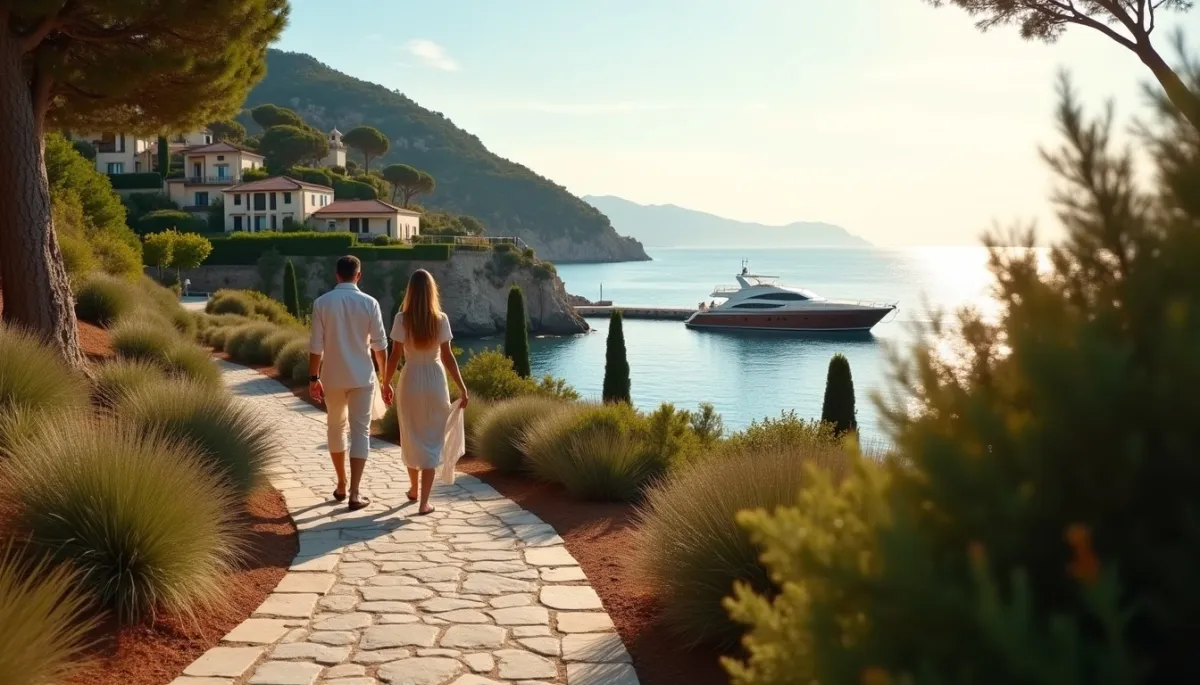
Practical advice: come in shoulder seasons (May, September), book restaurants in advance for July-August, and prefer small boats or the coastal footpaths to appreciate the coast without contributing to overcrowding. Respect private properties like La Madrague; the viewpoint along the littoral path gives a beautiful, non-intrusive perspective.
Thanks for reading, and don't forget, Enjoy Life Moments!