The Boiron nature reserve: a preserved ecological corridor near Morges
🚀 Key Takeaways
- Core concept : A protected wetland corridor connecting lake and inland habitats.
- Practical tip : Visit in spring for birds and orchids, bring binoculars and keep dogs on a leash.
- Did you know : Wetlands act as natural filters and help reduce flood peaks.
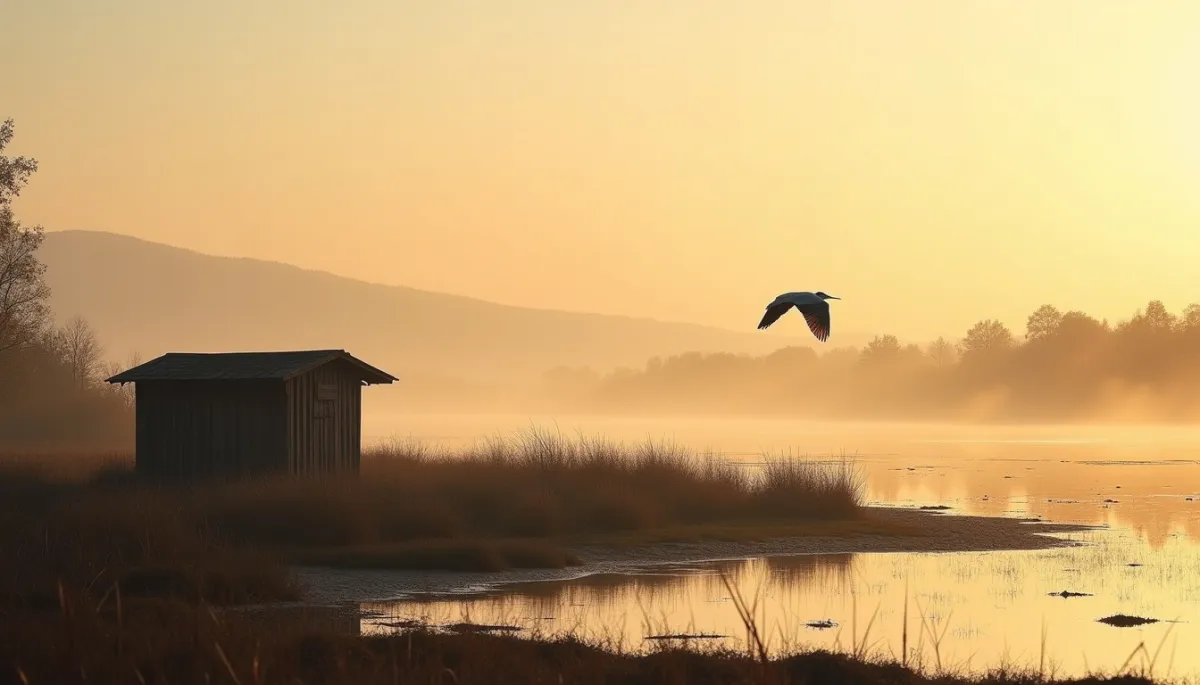
Soft wind in the reeds. The first reed warbler calls. Imagine standing on the gravel path as the light of Lac Léman glints beyond the marsh.
Passage vivant
The Boiron reserve functions as a passage for life. Its marshes, ditches and reedbeds form a corridor that allows birds, insects and amphibians to move between Lake Geneva and the agricultural landscapes inland.
Many species use this corridor during migration and reproduction. Reed warblers, herons and a variety of ducks are commonly seen. Dragonflies patrol the waterways, while marsh orchids and wet-meadow plants color the spring.
Visitors often remark on the silence punctuated by calls and splashes. The reserve is small in area compared with great national parks, but its linear nature multiplies its ecological importance: every metre of wet habitat between urban zones counts.
Racines et raisons
The reserve exists because local landscapes needed continuity. Historically, wetlands around Morges were more extensive, but drainage for agriculture and urban expansion fragmented habitats. The Boiron remained as a key remnant, a natural bridge between the lake's shore and the inland countryside.
Protective measures are practical and adaptive. Management includes reedbed rotation, creation of shallow ponds, and control of invasive plant species. These actions aim to maintain a mosaic of wet and dry zones essential for different life stages of animals and plants.
Beyond biodiversity, the Boiron provides services to people. Wetlands store water during heavy rains, filter pollutants from runoff and offer educational opportunities. Local schools and naturalist groups use the reserve as an outdoor classroom to teach about ecology and seasonal cycles.
Regard vers l'avenir
Challenges persist. Urban pressure from the Morges area, intensification of nearby agriculture, and climate variability threaten water levels and habitat quality. Maintaining the corridor requires coordination between municipalities, landowners and conservation groups.
There are also hopeful developments. Volunteer-led inventories, citizen science projects and guided walks raise awareness and feed data into adaptive management. Small engineering solutions, like adjustable weirs and wildlife-friendly ditch profiles, help keep water where species need it most.
For the visitor, the reserve invites a slow tempo. Best times to come are spring for breeding birds and orchids, and autumn for migration. Approach quietly, use marked trails and binoculars, and respect signage. From Morges train station, the reserve is reachable by short bike ride or a relaxed walk through the lakeside vineyards.
Thanks for reading, and don't forget, Enjoy Life Moments!