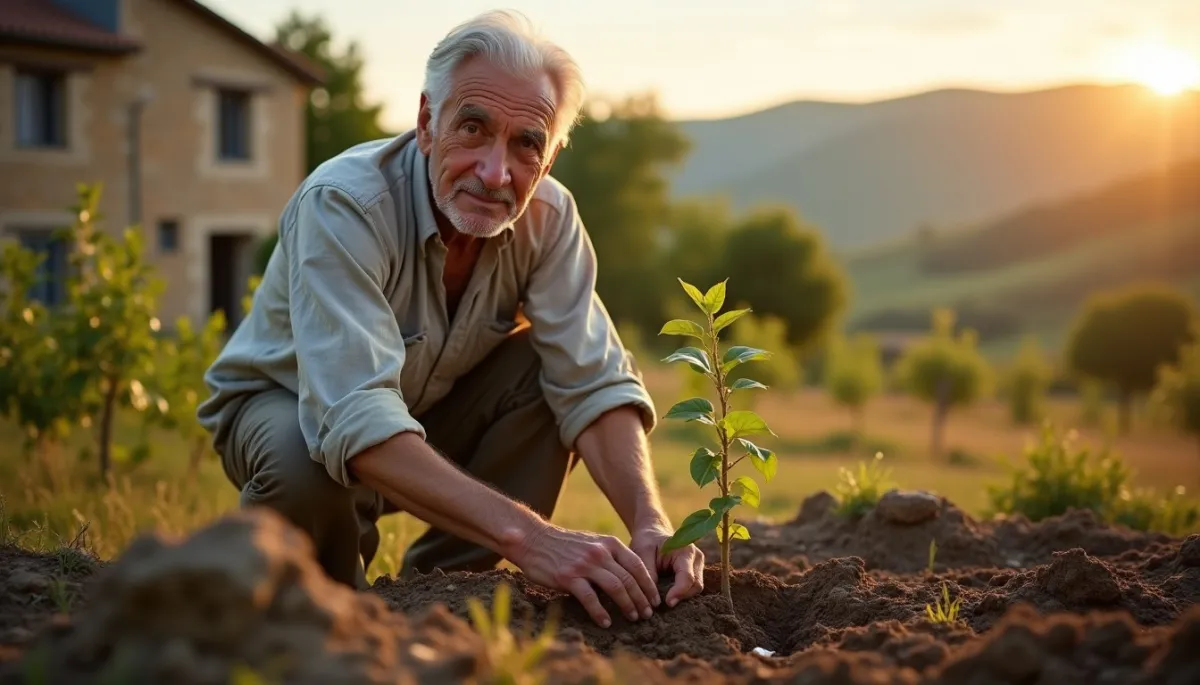
Biodynamics: understanding how nature shapes our food daily
🚀 Key Takeaways
- Key concept : A holistic agriculture that treats the farm as an organism.
- Practical tip : Look for the Demeter label or visit local biodynamic producers.
- Did you know : Rudolf Steiner gave the first biodynamic agriculture lectures in 1924.
The smell of damp earth at sunrise is impossible to forget.
You stand in a small vineyard as a farmer gently pours a horn manure preparation into a bucket of water, stirring slowly. Beyond, rows of vines glisten with dew, and a market stall will soon open where those grapes will become wine that tastes of place. This is biodynamics in action: ritual, soil work, observation and a stubborn attention to timing.
The harvest you see
Biodynamic products are visible on shelves and wine lists, but their meaning goes beyond an organic sticker. Demeter, the best-known biodynamic label, was established in 1928 in Germany to certify farms that follow these methods.
In regions such as the Loire and parts of Burgundy, winemakers like Nicolas Joly popularized biodynamic wines from the 1980s onward, arguing they reveal terroir with greater clarity. Restaurants from Paris to California now list biodynamic wines and vegetables for consumers seeking a sensory connection to origin.
Today the share of biodynamic farms remains modest globally, yet interest has grown steadily, driven by chefs, sommeliers and consumers looking for resilient systems that prioritize soil health.
The roots beneath
Biodynamics began with the 1924 lectures of Rudolf Steiner, in Koberwitz (now Kobierzyce, Poland). He proposed treating the farm as a living organism, recycling fertility on-site and timing certain tasks with lunar and cosmic rhythms.
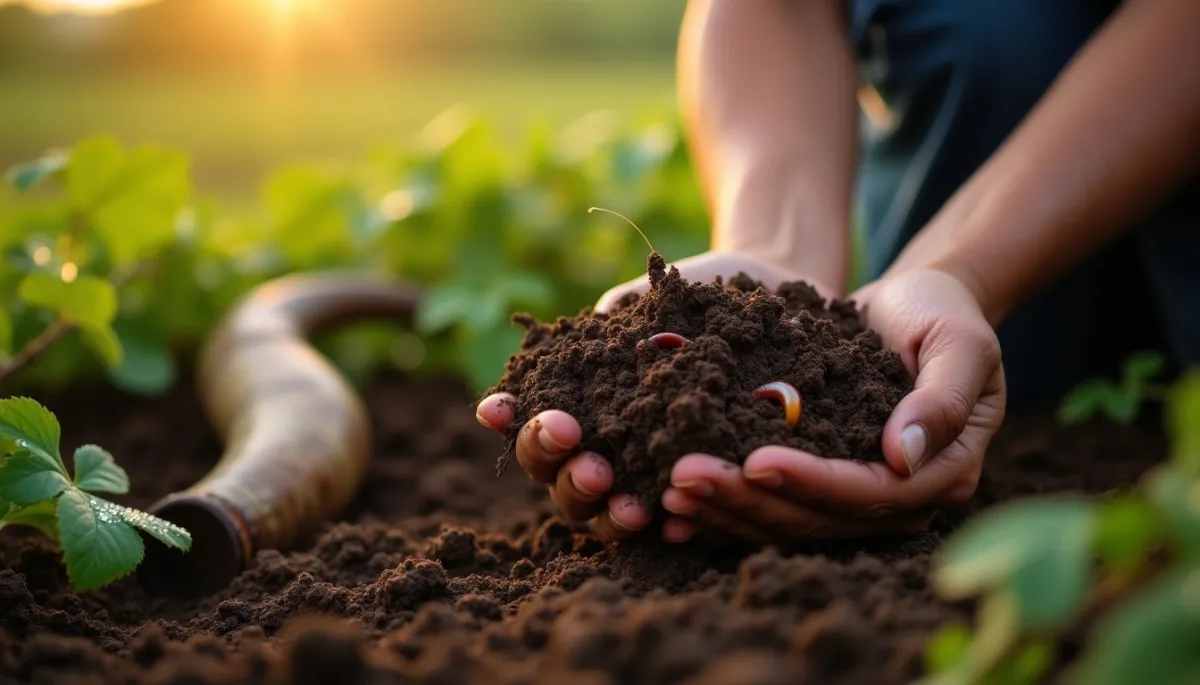
Practices include specific preparations (numbered 500 to 508), such as horn-manure buried over winter then diluted and sprayed to stimulate soil life. These methods aim to increase organic matter, biodiversity and plant vigor, ideas echoed by regenerative farming today.
Scientific studies are mixed but promising: some peer-reviewed research points to improved soil structure and microbial diversity on farms using biodynamic methods, while long-term effects remain an active field of study.
Between ritual and science
Biodynamics blends hands-on ecology with rituals that some find mystical. Critics question parts of the practice, like astrological sowing calendars, and call for more randomized trials to separate symbolic acts from measurable outcomes.
Practitioners answer that many techniques are low-cost, low-impact and easy to test locally. For small farms, increased attention to composting, animal integration and timing often yields visible gains, even if mechanisms are debated.
If you want to explore biodynamics, start small: buy Demeter-labelled products, visit a farm open day, taste biodynamic wines side by side with conventional ones, or try a seasonal planting calendar app. The real test is in the mouth and in the soil over time.
Thanks for reading, and don't forget, Enjoy Life Moments!