Wabi-sabi: finding beauty in imperfection
🚀 Key Takeaways
- Core concept : Embrace the imperfect, transient and incomplete.
- Practical tip : Keep one repaired object visible (kintsugi) to shift perception.
- Did you know : Sen no Rikyu, 16th century tea master, helped shape wabi-sabi through the tea ceremony.
There is beauty in a cracked bowl.
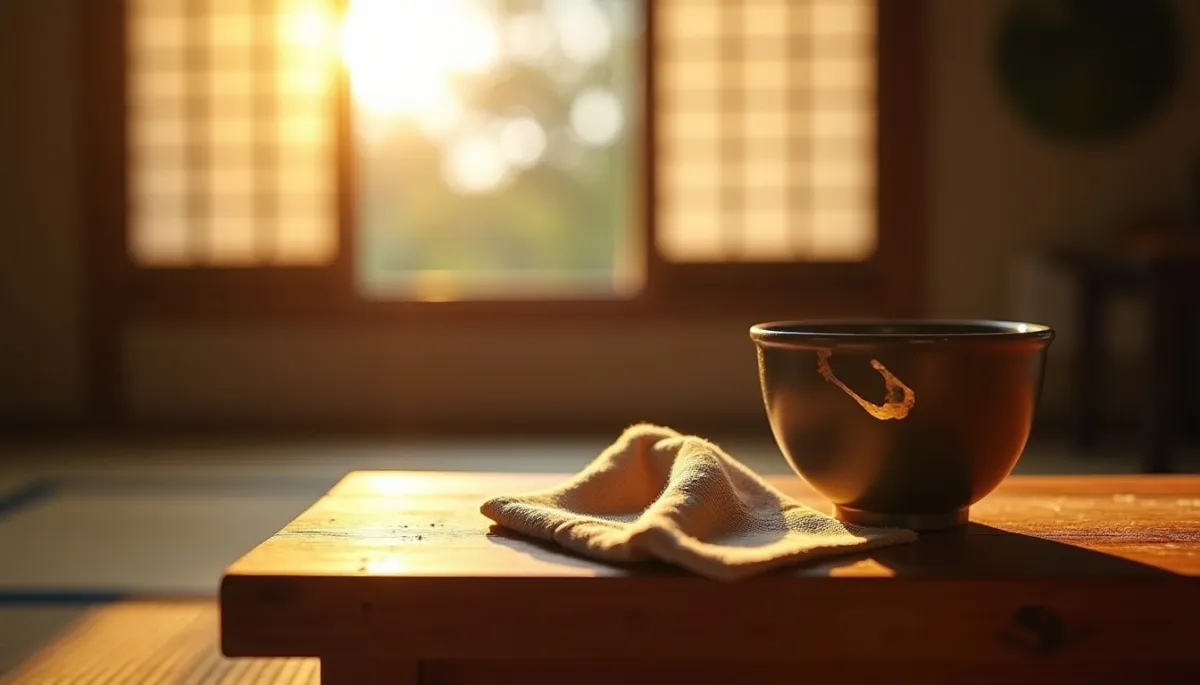
Imagine an attic in Kyoto at dusk, pale light across tatami mats, a simple ceramic cup with a golden seam where it was mended. The cup feels warmer than a new one. It carries a story, hands and seasons. That quiet intimacy is the essence of wabi-sabi, a Japanese sensibility that finds grace in aging, modesty and the imperfect.
Beauty in small things
Wabi-sabi is often translated loosely as "beauty in imperfection," yet the concept resists easy translation. It blends two words: wabi, originally connoting rustic simplicity and a quiet, austere life, and sabi, which points to the patina of age, the dignity of wear.
The idea matured in the context of chanoyu, the Japanese tea ceremony, notably influenced by Sen no Rikyu (1522-1591). Rikyu championed simplicity, natural materials and spaces that allowed guests to breathe and reflect. The aesthetic then seeped into pottery, architecture and poetry.
In practical terms, wabi-sabi values asymmetry, roughness, simplicity and an appreciation for natural cycles. Kintsugi, the art of repairing broken ceramics with lacquer mixed with powdered gold, is a vivid metaphor: the repair becomes part of the object's beauty rather than a flaw to hide.
Roots and revival
The roots of wabi-sabi trace back to Zen Buddhism, which emphasizes impermanence (mujo) and emptiness. By the late Muromachi period (14th-16th centuries), tea masters and poets cultivated aesthetic codes that celebrated restraint.
Wabi-sabi remained largely Japanese until the 20th century. In 1994, Leonard Koren's book "Wabi-Sabi for Artists, Designers, Poets" helped popularize the term in the West. In the 2010s, global minimalism trends—sparked in part by Marie Kondo's 2014 book and 2019 Netflix series—opened new doors for wabi-sabi ideas, though not always in their original cultural depth.
Designers and architects have long echoed wabi-sabi principles. Tadao Ando's concrete spaces, for instance, combine raw materials and light to evoke simplicity and contemplative silence. Small businesses, ceramic studios and boutique hotels in Japan now highlight wabi-sabi as a selling point for travelers seeking authenticity.
Modern tensions
Today, wabi-sabi inspires Instagram feeds, lifestyle blogs and product lines labeled "rustic" or "handmade." This visibility is double-edged. On one hand, it helps people reconnect with slower, more intentional living. On the other, commercialization risks flattening a nuanced philosophy into a decorative trend.
Another tension lies in consumption. Genuine wabi-sabi suggests acceptance and less desire for novelty, yet many consumers buy curated imperfect-looking items as a status symbol. The irony is that mass-produced 'wabi-sabi' goods can undermine the authenticity they claim to celebrate.
There are also cultural pitfalls. Extracting wabi-sabi as an aesthetic without acknowledging its Zen and historical roots can lead to superficial appropriation. A mindful approach recognizes context and honors the practices from which the sensibility arose.
Practical rituals
How to bring wabi-sabi into everyday life? Start small. Choose objects with a history: a family mug, a secondhand lamp, a wooden spoon that darkens over time. Let these items be used, rather than stored as memorabilia.
Try a kintsugi-inspired ritual: instead of discarding a chipped bowl, repair it visibly (or commission a repair) and place it where it can be appreciated. The visual of the golden seam reframes breakage as part of life’s narrative.
Practice slow routines: tea without screens, a weekly repair hour, or a simple cleaning ritual that honors an object's material. These acts cultivate attention, and over time they shift taste toward materials that age gracefully, like wood, linen and ceramic.
Wabi-sabi is not a checklist. It is a way of seeing, training the eye to notice textures, weathering and the gentle asymmetries of life. In a noisy, image-driven world, it offers permission to be unfinished, to value the lived over the new.
Thanks for reading, and don't forget, Enjoy Life Moments!