The French Riviera in winter: mild seas and quiet luxury
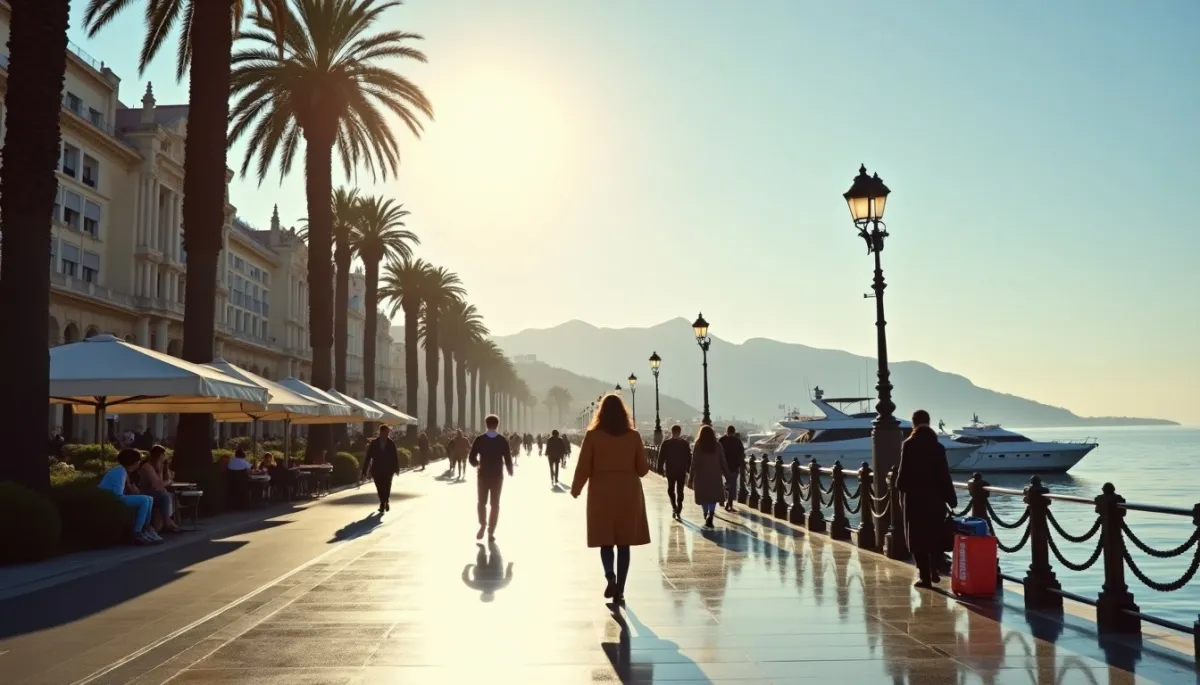
A crisp morning on the Promenade des Anglais, light scattering on a calm sea, a few bundled couples with coffee, and the Alps dusted with snow on the horizon. That first sight makes you understand why people have long wintered here: it feels like a private coastline revealed for those willing to leave summer crowds behind.
Winter changes the Riviera. Ports once crowded with superyachts are quieter, museums have room to breathe, and hotels lower their tempo to favor comfort over spectacle. This quieter season reveals layers of history and daily life, from fishermen mending nets at dawn in Antibes to the mimosa markets in Mandelieu-la-Napoule. Expect more authentic encounters and better access to iconic sites like the Matisse museum in Nice, the Picasso collection in Antibes and the coastal trails of Cap-Ferrat without the summer crush.
Janvier doux et rues à soi
January brings a peculiar calm. Business hotels offer attractive rates and independent restaurants retool their menus around rich winter produce: citrus, fennel, sea bass. Walks on the Promenade in Nice or the Croisette in Cannes are framed by low sun and long shadows, perfect for photography and slow conversations.
Concrete examples: the Carnaval de Nice preparations in January create a townwide energy well before February’s parades. In Menton, the Fête du Citron (preparations start in winter) brings gardeners and artisans together around rare citrus varieties. Monaco remains sovereignly busy with its museums open and the Oceanographic Museum revealing dramatic winter light on the sea.
Practical tip: many small museums and some seasonal beach clubs reduce hours. Call ahead for guided tours, and reserve tables for evenings, especially at well-known bistrots in Old Nice or Saint-Paul-de-Vence.
Février en fleurs: mimosa, marchés et festivals
February is when the Riviera shows a festive face. The mimosa blooms along the Esterel and in Mandelieu, painting hills yellow. The season of citrus and flowers feeds markets and ateliers; you can buy mimosa bouquets, taste candied orange, and attend small floral parades.
Carnival season brings color to Nice with its floats and flower battles (batailles de fleurs). Elsewhere, intimate festivals sustain a cultural winter: jazz evenings in Juan-les-Pins, contemporary exhibitions in Nice’s galleries and experimental theatre in the hinterland villages. These events aim to attract locals and curious travelers rather than high-season tourists.
Anecdote: Picasso found refuge in Antibes during chillier months, converting the town’s calm into productive periods. Today, visiting the Picasso Museum in the low season often means a private encounter with canvases that draw crowds in summer.
Mars et la reprise franche
March lifts the Riviera toward spring. Gardens awaken, seaside cafés expand terraces, and the first cyclist groups arrive for training rides on the corniches. Prices start to climb, and some hotels reopen seasonal pools and restaurants.
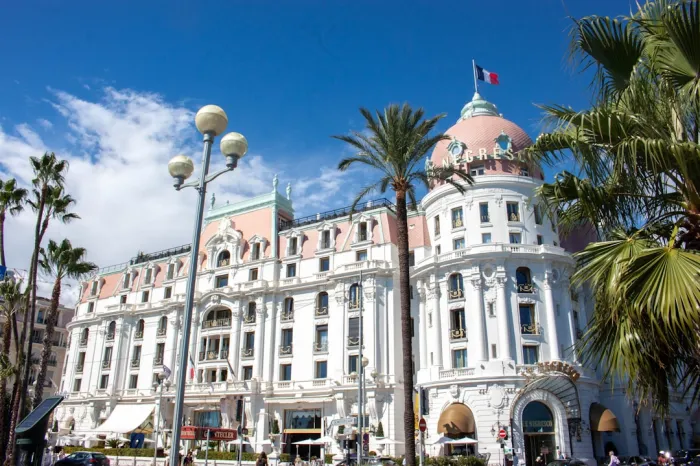
Historical note: the Promenade des Anglais was built in the 19th century precisely to host British winter visitors who sought sunlight and sea air. That tradition of wintering left a legacy of Belle Époque hotels and villas now accessible without summer queues.
Indiscretion: for sunrise, Cap-Ferrat’s eastern tip is among the best kept secrets. Locals know which bays warm first; ask at a small office de tourisme for hidden walks and unheated but atmospheric cafés.
Thanks for reading, and don't forget, Enjoy Life Moments!