Ambient sounds and brown noise: a gentle sound therapy to calm stress
🚀 Key Takeaways
- Core concept : Brown noise is a low-frequency random signal (related to Brownian motion) used to mask intrusive sounds and induce calm.
- Practical tip : Try 20 to 40 minutes at moderate volume through speakers or headphones for focus or pre-sleep rituals.
- Did you know : Ambient music has been cultivated since the 1970s, with Brian Eno popularizing the idea of background music that shapes mood.
Close your eyes and imagine a distant thunder, a deep ocean swell, the muted rumble of a train. The sound is warm and steady, it holds you.
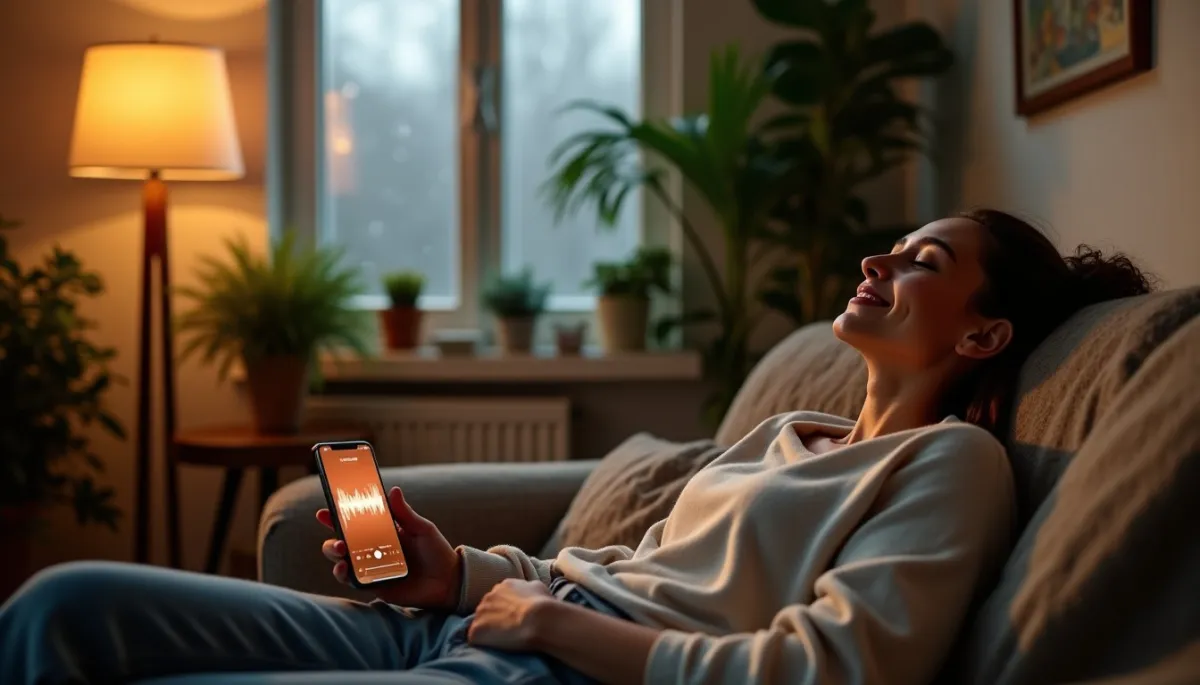
In a small apartment in Lisbon a graphic designer lowers the lights, opens an app and selects "brown ocean." Within minutes her racing thoughts ease, she returns to a design brief with calm focus. In a London nursery, a parent plays low-frequency noise at bedtime to help a toddler sleep. On coworking floors in Toronto, curated ambient playlists are part of the office kit, alongside plants and ergonomic chairs.
Soft sonic blankets
Today we talk about sound as a tool for wellbeing. Brown noise, sometimes called Brownian noise (named after Robert Brown's 19th century discovery of erratic particle motion), is a cousin of white and pink noise. Its energy concentrates at lower frequencies, producing a deep, rolling quality, unlike the hiss of white noise.
Audio designers and therapists use ambient soundscapes that mix natural recordings, low-frequency noise and subtle melodic textures. The aim is to mask sudden, attention-grabbing sounds, and to provide a stable acoustic backdrop that the brain can entrain to, lowering arousal.
Streaming platforms and apps now offer brown-noise tracks, "brown rain" or "brown ocean" presets. In 2023 and 2024, several wellness startups added brown-noise modes to sleep tools, reflecting growing demand from users reporting anxiety and fragmented sleep since the pandemic years.
Why ears matter
Our auditory system constantly monitors the environment for threats. In noisy modern life, unpredictable sounds keep that system on alert. Brown noise helps by smoothing the soundscape, reducing contrast between silence and sudden noise.
Neuroscience shows that predictable, continuous sounds can reduce cortical reactivity. While research specifically on brown noise is still nascent, related studies on consistent sound masking have demonstrated benefits for sleep quality and focus in hospital and office settings.
Another reason for the trend is cultural. Since the 2010s, ASMR and ambient music communities on YouTube and streaming platforms have normalized intentional listening. People discovered that controlled sound could prompt relaxation, and they asked for more nuanced textures than a flat white hiss.
Notes and cautions
Brown-noise practice is not universal medicine. For some listeners, low-frequency energy can feel oppressive or induce headaches. Volume matters, prolonged exposure at high levels risks hearing damage, and infants or people with certain sensory sensitivities should be approached cautiously.
There are also commercial caveats. Marketing often overstates claims. Look for apps and devices that allow customization, and prefer open-source or transparent sound generators when possible. A small community of acoustic ecologists warns against sanitizing all urban soundscapes, because occasional natural variability has ecological and emotional value.
Looking forward, expect hybrid solutions. Architects and sound designers are collaborating more with wellbeing researchers. In 2025, pilot designs for "quiet rooms" will likely include tuned ambient systems, combining brown noise with live plantings and adaptive acoustics, creating places where the sonic environment is intentionally restorative.
Practical starter tips: test brown-noise tracks at low volume for short sessions, use speakers for shared spaces and headphones for focused work, and combine the sound with breathing exercises or a short ritual to anchor the mind.
Thanks for reading, and don't forget, Enjoy Life Moments!