Why are so many ruins hidden in the jungle?
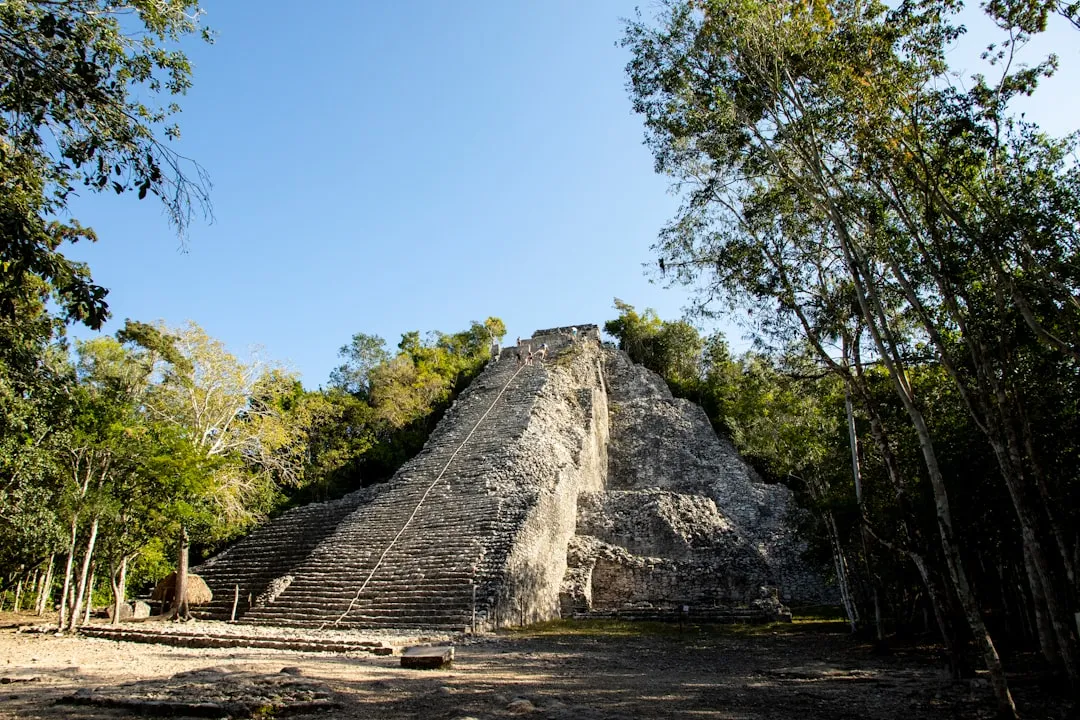
The Riviera Maya's landscape — limestone bedrock, cenotes, and a thick tropical canopy — offers both shelter and obscurity. Over centuries, abandoned stone cities were slowly reclaimed by vegetation, turning once-bustling plazas into tangled greenery that hides walls, stairways, and plazas from casual view.
These hidden ruins are not accidental curiosities; they are the product of human choices and environmental forces. In 2026, with drones, LiDAR and community-led archaeology, we can now read the traces the jungle tried to erase, and learn why the forest became the guardian of the past.
Nature's reclaiming: how the forest hides stone cities
Tropical vegetation grows fast. In the warm, humid climate of the Riviera Maya, vines, roots and trees invade masonry in decades rather than centuries. Once a site is abandoned, soil builds up around foundations and the canopy closes overhead, blotting out ruins from aerial sight and burying them in leaf litter and sediment.
Limestone karst and cenotes shaped Maya settlement patterns. Many buildings were deliberately built near water sinks, then left when groundwater shifted or access changed. As the forest returned, nature covered pathways and causeways, making large sites look like uninterrupted jungle until carefully surveyed.
Human choices: abandonment, migration and resource use
Archaeologists link the disappearance of visible settlements to social processes: droughts, warfare, political collapse and soil exhaustion prompted communities to relocate or reorganize. When people moved away, they often dismantled parts of buildings for new projects or simply left structures to weather.
That abandonment left durable stone architecture to slowly sink back into the landscape. Because many Maya centers were not continuously occupied into the colonial period, there were centuries for the jungle to mask streets and plazas, creating the impression of ruins "hidden" rather than deliberately concealed.
Protected by the canopy — and threatened by looters
Paradoxically, the dense jungle both protected and endangered archaeological remains. Thick cover made many sites hard to find, which limited early looting and casual destruction. In some cases, this concealment preserved murals and carved stones that were kept safe from weathering and human theft for generations.
However, once a site is discovered — especially since tourism boomed on the Riviera Maya — looting, uncontrolled visitation and infrastructure pressures can accelerate damage. Responsible excavation and community stewardship are crucial to prevent once-hidden sites from being degraded upon exposure. For practical visitor information, see this page on the Tulum ruins on TripAdvisor (TripAdvisor).
Technology revealing what the jungle hides
The big breakthrough of the last decade has been airborne LiDAR scanning and drone photogrammetry. These remote-sensing tools can penetrate the canopy to reveal terraces, causeways, and building footprints in astonishing detail. Since the late 2010s, LiDAR surveys across the Yucatán have uncovered tens of thousands of previously undocumented structures.
National Geographic and other publications have documented how LiDAR changed our understanding of Maya urbanism, showing dense networks of settlement and engineered landscapes long masked by trees (National Geographic). In 2026, satellite imagery, AI and local knowledge continue to refine maps and prioritize sites for study and preservation.
What hidden ruins teach us about the past — and present
Concealed ruins are archives of human adaptation. They tell stories about agricultural innovation, water management, political organization and resilience to climate stress. Researchers reading the buried traces of roads and terraces gain new perspectives on how Maya communities engineered their environment.
These discoveries also carry lessons for today: understanding ancient land use and water systems can inform modern conservation and sustainable tourism on the Riviera Maya. Protecting newly revealed sites requires careful planning that balances scientific access, community benefit and environmental protection.
How to visit responsibly in 2026
If you plan to explore ruins on the Riviera Maya, stick to official paths, respect signage, and hire licensed guides from local communities. Many smaller, lesser-known sites remain fragile; avoid touching structures, taking artifacts, or straying off trails. Responsible tourism helps ensure ruins stay for future generations.
To learn more about visiting major sites and practical tips from travelers, consult trusted travel resources and local guides. Sustainable visitation supports conservation efforts and the families who live beside these living histories.
Thanks for reading, and don't forget, Enjoy Life Moments!