The gardens of Villa Maria Serena in Menton: France's warmest microclimate
🚀 Key Takeaways
- Concept key : Menton's sheltered position creates a warm microclimate that favors subtropical gardens.
- Practical tip : Visit in spring or autumn for mild temperatures and the best light for photos.
- Did you know : Menton hosts the Lemon Festival since 1934, testimony to its long citrus tradition.
Sun on your shoulders. Stroll open to the sea, and the air smells of orange blossom and salt.
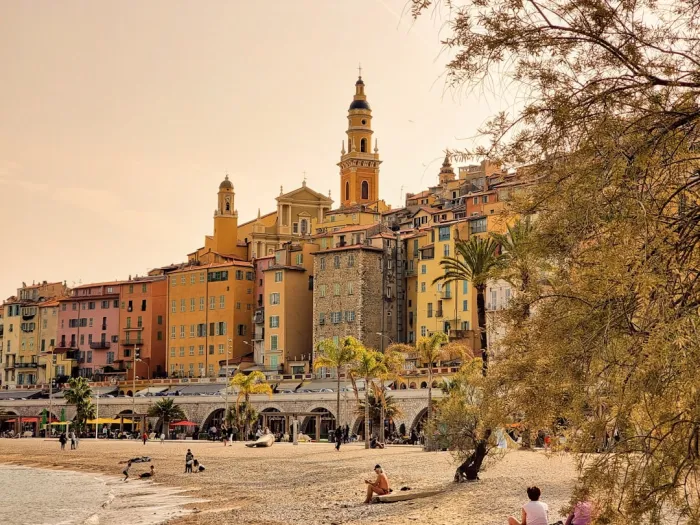
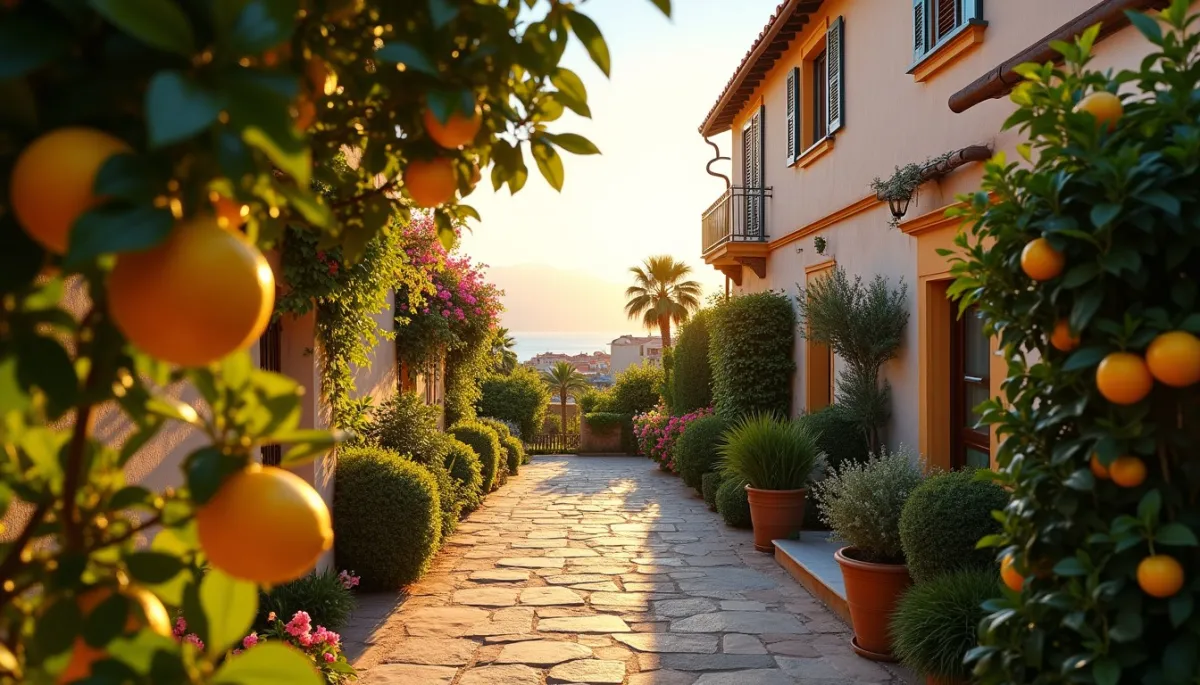
At Villa Maria Serena, terraces cascade toward the Mediterranean. Palm fronds move in a breeze that rarely bites, bougainvillea flashes magenta against pale stone, and citrus trees—lemons and bergamots—stand in sunlit pots. A stone path winds between shaded nooks and viewpoints, each bench offering a postcard view of Menton's pastel roofs and the sea. You hear birds, distant boat motors, and an occasional conversation in Italian; the border is just minutes away.
jardin qui respire
Menton is often called France's warmest town, and the gardens of Villa Maria Serena are a microcosm of that reputation. Because the town lies between the sea and the Maritime Alps, winds are calmed and winters are unusually mild compared with inland Provence. This shelter produces fewer frost days, which allows subtropical species to survive here year after year.
Historically, the Riviera's gardens blossomed during the 19th and early 20th centuries, when wintering aristocrats and winter resorts popularized exotic plantings. Nearby, Serre de la Madone, planted in 1924 by Lawrence Johnston, is a documented example of the era's taste for rare species. Villa Maria Serena fits into that lineage: a Belle Époque villa with layered gardens, where terraces, stairways and microclimates within the garden multiply planting possibilities.
Consequence: the site supports an extraordinary botanical mix. You will find citrus (lemons, bergamot, bitter orange), large palms, agaves, aloes and subtropical shrubs that would struggle further north. The visual effect is immediate: Mediterranean and tropical notes combined, making the garden feel like a private greenhouse open to the sky.
le secret du soleil
The cause of this abundance is simple geography. Menton sits on a coastal shelf shielded by steep mountains that rise quickly behind the town. These slopes block cold continental air and create temperature inversions which trap warmth near the coast. In meteorological terms, a microclimate is a localised climate zone that differs from surrounding areas; here, the difference is enough to change gardening possibilities.
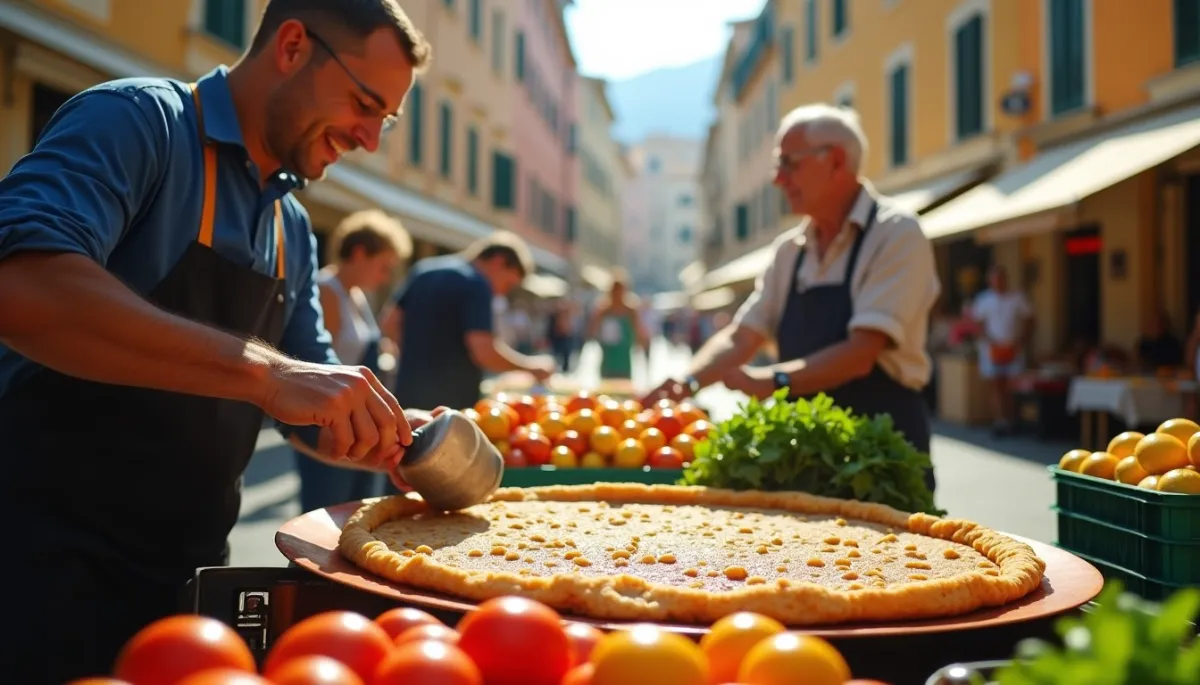
Human history amplified the natural advantage. From the late 1800s, wealthy Europeans built villas and invested in gardens, importing plants from the Americas, Africa and Asia. These collectors, horticulturists and gardeners experimented, often with spectacular results. The famous Lemon Festival, established in 1934, celebrates this citrus culture: floats and sculptures made from citrus fruits are still produced every February, showcasing how deep the tradition runs.
At Villa Maria Serena, careful siting of terraces and use of heated walls, dry stone, and sheltered courtyards extend the season for tender plants. Gardeners use microtechniques that are centuries old: positioning plants near warm stone, planting in raised beds for drainage, and choosing species that tolerate occasional salt wind. Modern conservation efforts add irrigation management and selective pruning to preserve the original layout while adapting to today’s climatic shifts.
ombres et lumières
However, the warm reputation does not mean immunity. Climate variability brings hotter summers and unpredictable storms. Exotic species, while helped by the microclimate, can also be vulnerable to sudden cold snaps or prolonged drought. Garden stewards at Villa Maria Serena balance historical authenticity with resilience, sometimes replacing particularly fragile specimens with more drought-tolerant relatives.
Another tension involves public access and preservation. Many Riviera villas are privately owned. Opening gardens to visitors can raise funds and awareness, but also demands infrastructure and management to prevent wear. Maison-owners and local heritage groups often negotiate limited open days, guided visits or events to share these green treasures without compromising them.
Practical advice if you go: attend a guided tour when possible to learn microtechniques used on site, visit in late March to May for blooms or October for soft light, wear comfortable shoes for terraced paths, and bring water and sun protection even outside summer. Photography tip: early morning captures the warm tones of Menton's stone and the citrus sheen without the hard midday contrast.
Thanks for reading, and don't forget, Enjoy Life Moments!