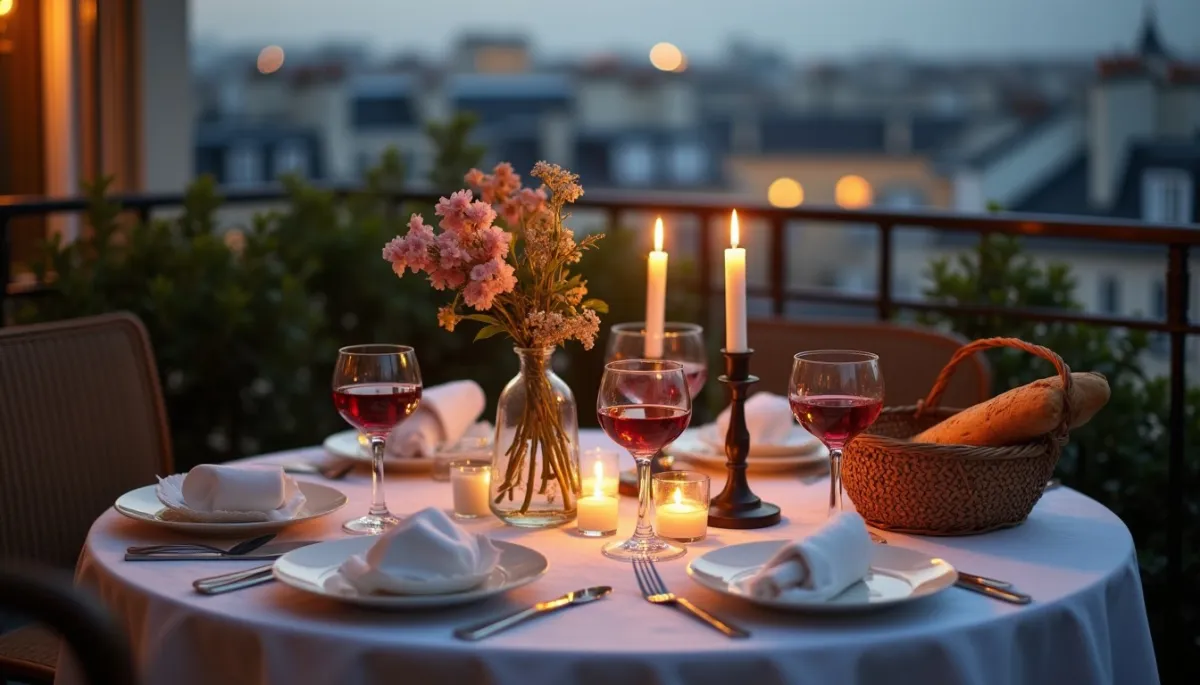
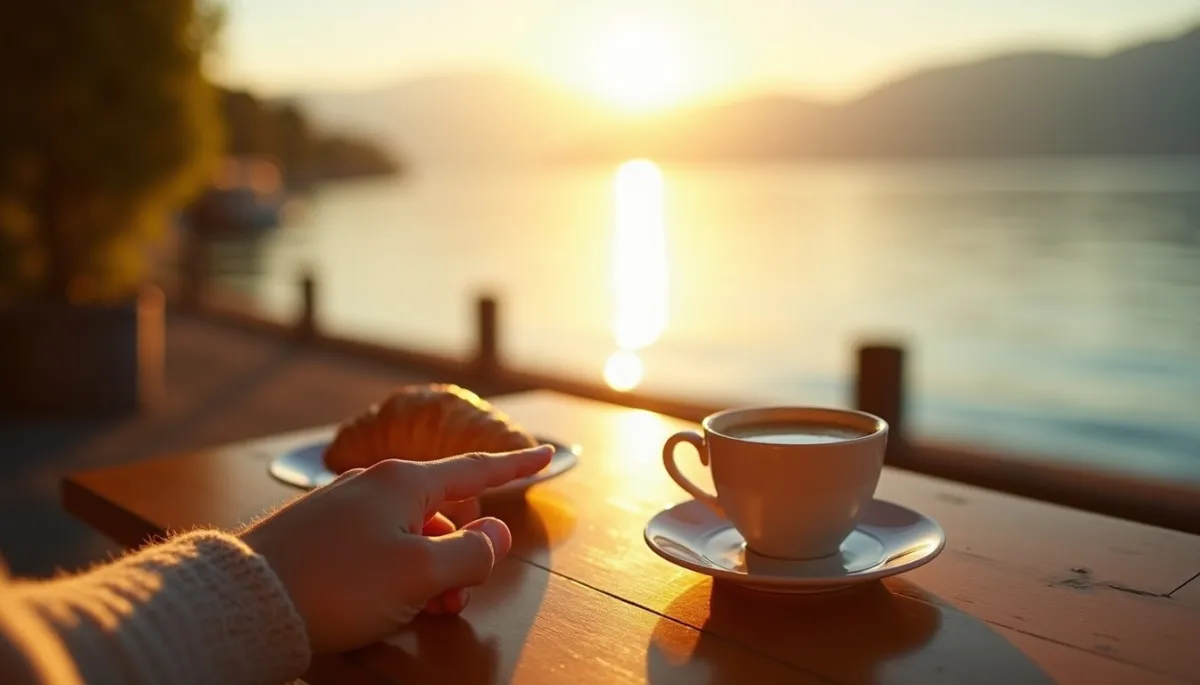
The ultimate staycation: how to recharge deeply without leaving your city
🚀 Key Takeaways
- Core idea : Treat your city as a destination.
- Practical tip : Create small rituals: a 'hotel night', a micro-adventure, digital sunset.
- Did you know : International arrivals fell by about 72% in 2020, boosting local tourism and the staycation trend.
Close the front door like you are stepping out for a week.
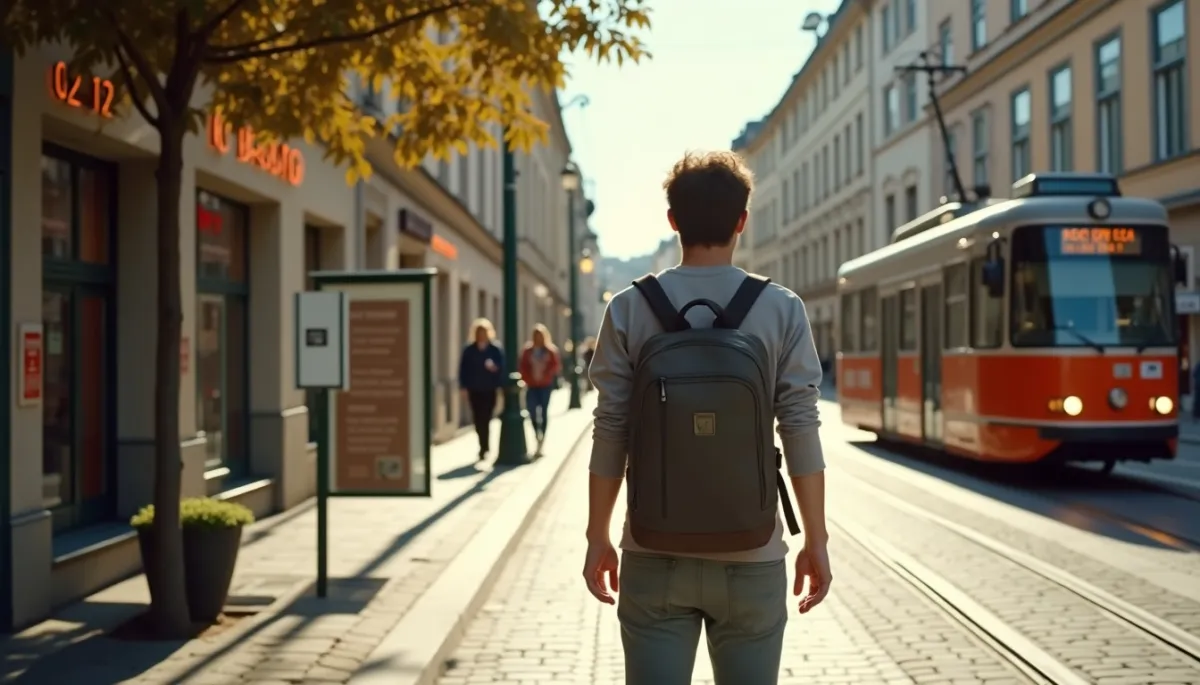
Imagine a Sunday morning in your own city, but with the patience of a tourist. The tram passes by with windows full of light, you carry a small backpack, you pause at a bakery you have never tried, and for the first time you read the plaque on the museum façade. The ordinary becomes unfamiliar, and that small shift in perception already loosens the knot of routine.
City as refuge
Staycations are not just an economic choice. They are a reconfiguration of attention. Since 2020, when international travel plummeted and many stayed local, urban residents found new ways to extract novelty from familiar streets.
Data from the UNWTO showed international tourist flows collapsed in 2020, a shock that accelerated interest in domestic tourism. Google Trends also recorded spikes for keywords like 'staycation' and 'local weekend' in 2020 and 2021, reflecting a global search for close-to-home escapes.
Beyond numbers, there are stories: a teacher in Lyon who discovered a hidden riverside path and turned it into her daily 'forest commute', a pair of friends in Toronto who booked a local boutique hotel and spent two days like strangers in their own borough. These are small revolutions against the autopilot of daily life.
Rituals that matter
Design matters. Psychological research on recovery emphasizes 'detachment' from work as central to rest. A staycation works best when you create boundary rituals that signal downtime to your mind and body.
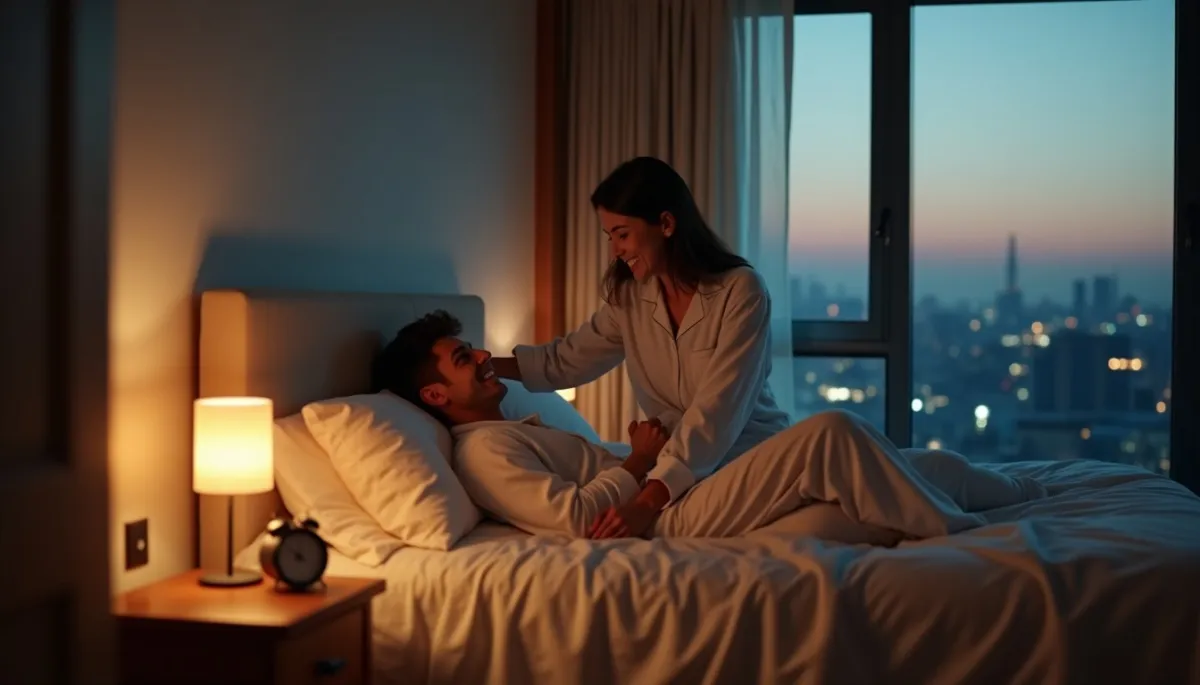
Start with a 'pack' ritual. Put clothes in a small suitcase, even if you sleep at home. Book one night in a local hotel or an Airbnb for the full effect. Schedule a 'digital sunset' two hours before bedtime, and replace screen time with a walk, a book or an at-home spa routine.
Borrow from practices that promote presence. Shinrin-yoku, or forest bathing, is a Japanese technique of mindful time in nature that can be adapted to urban parks. The microadventure concept, popularized by explorer Alastair Humphreys, invites short, simple outings near home that feel like real escapes.
Edges and limits
Yet staycations are not a universal panacea. They can backfire if work intrudes, or if the home environment itself is a source of stress. Blurring boundaries between rest and chores means naps are interrupted and plans evaporate into shopping lists.
There is also a social dimension. Not every neighborhood offers the same opportunities. Access to green spaces, safe streets, affordable local lodging, and cultural venues shapes who can benefit from an easy, restorative staycation.
To avoid disappointment, plan with intentional constraints. Treat at least one day as sacred, prepare meals in advance, invite a friend for a micro-adventure, and be ready to move locations, even within the same city, to change your sensory landscape.
Practical checklist: pick a theme (slow food, art crawl, nature immersion), map three local spots you rarely visit, book a night away from your usual bedroom, create a simple schedule, and switch off notifications during core hours.
Finally, the richness of a staycation lies in permission. We assume we must cross borders to be replenished. Relearning how to be curious at home is a civic act as much as a personal one. It reduces carbon footprints, supports local businesses, and cultivates a deeper belonging to place.
Thanks for reading, and don't forget, Enjoy Life Moments!