Tulum: the new global lifestyle capital?
🚀 Key Takeaways
- Key concept : Tulum blends beach culture, wellness and new luxury with global influence.
- Practical tip : Visit November to May for dry weather and calmer seas, and book stays and restaurants well in advance.
- Did you know : A wave of chefs, designers and wellness founders moved here, turning local aesthetics into worldwide trends.
Tulum in 2026 feels like a test lab for how we want to live: eco-minded, design-focused and visibly curated. That mix attracts money, media and curiosity in equal measure.
But beneath the boutique hotels and yoga classes there is a complex story of local life, property pressure and efforts to reconcile growth with the environment. Understanding both sides is essential before deciding to visit long or move here.
Why Tulum is attracting the world
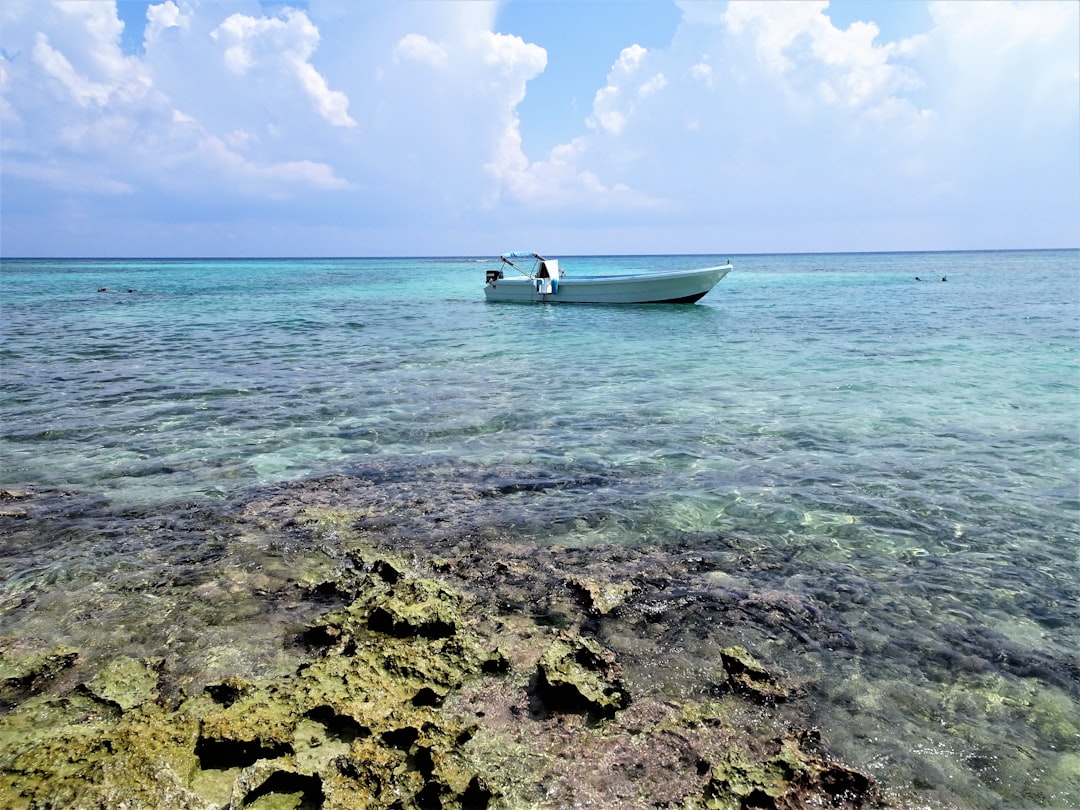
The appeal is simple and layered. Powder-white beaches and warm water are the obvious draw, but the deeper attraction comes from a lifestyle narrative: slow mornings, natural rituals and design-led spaces shared across social platforms.
Influencers and entrepreneurs amplified that image, and international investment followed. Today you find avant-garde gastronomy, wellness clinics and beachfront design hotels that serve as cultural showcases for an aspirational way of life.
The new rules of luxury and living
Luxury in Tulum rarely looks like old-school opulence. It trades conspicuous excess for experiences: high-quality local food, privacy, and authenticity framed by architects and stylists. That redefinition has global reach.
Expect handcrafted materials, small-batch menus and curated privacy. For brands and guests, the goal is to feel part of a local story while enjoying refined comforts. That dynamic fuels high-end real estate and hospitality innovation.
Sustainability, gentrification and local life
Growth brings friction. Water management, waste and rising rents are daily conversations among residents. Local communities are pushing back when development overlooks long-term resilience and cultural continuity.
At the same time, many businesses invest in restoration projects and community programs. The result is uneven: meaningful initiatives exist, yet systemic solutions remain urgent if Tulum is to stay livable for locals.
Practical tips for visiting or moving
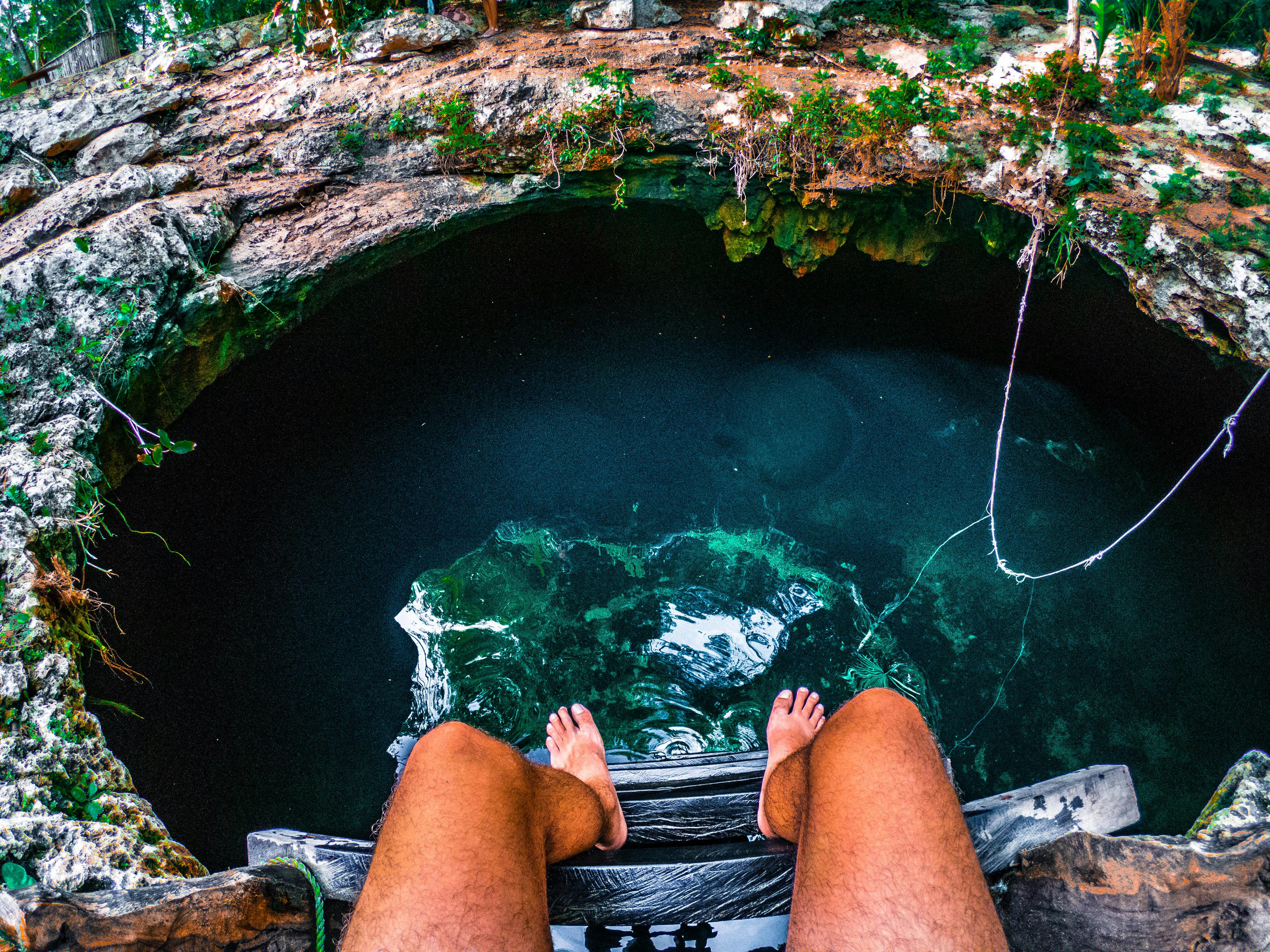
If you travel: avoid peak holiday weeks, support local eateries rather than chain venues, and learn a few phrases in Spanish. Respect water rules and private cenote access, and choose accommodations with proven sustainability practices.
If you consider moving: spend extended time here first, talk with locals, and research infrastructure and legal frameworks. Long-term residents warn that beauty comes with responsibility and that thoughtful integration matters more than status.
Thanks for reading, and don't forget, Enjoy Life Moments!