Thoroughbred bloodstock: inside elite breeding and auction houses
🚀 Key Takeaways
- Key concept : Elite bloodstock marries pedigree (family lines) and conformation (physical build).
- Practical tip : At auction, always request a full veterinary record and pre-sale videos.
- Did you know : The General Stud Book, first published in 1791, still structures thoroughbred pedigrees worldwide.
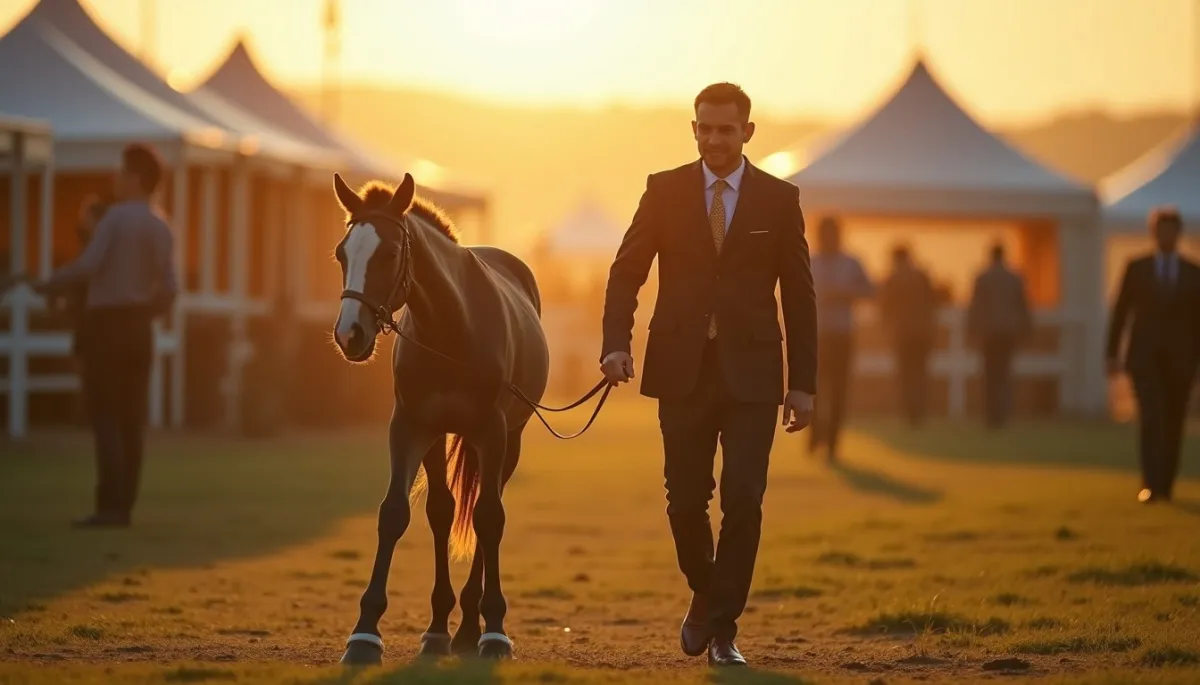
A horse can silence a room. Imagine standing in a sunny paddock, the air smelling of straw and sea salt, while a yearling stamps a hoof and tosses its mane. Buyers lean forward, pens poised, cameras ready.
From paddock to pedestal
Elite bloodstock is an industry of fine margins. A colt with the right shoulders and an impeccable tail-line can attract bids that change fortunes. Yearlings and foals are the staples of sales; broodmares and proven stallions form the backbone of breeding programs.
Major auction houses set the tempo: Tattersalls in Newmarket, Arqana in Deauville, Keeneland in Lexington, Goffs in Ireland, and Fasig-Tipton in the United States. Each hosts sales that draw trainers, owners and global agents, sometimes resulting in seven-figure hammer prices.
This market is not only about sport. It is cultural and economic. Entire regions—Normandy, County Kildare, Kentucky—owe jobs and identity to bloodstock. Stallion fees (what owners pay to breed a mare to a stallion) can reach hundreds of thousands of dollars for the most fashionable sires.
Lines and legacies
Understanding why a horse commands attention means reading pedigrees. The thoroughbred traces to three foundation stallions: the Darley Arabian, the Godolphin Arabian and the Byerley Turk. Those bloodlines are still cited in stallion registers and sales catalogs.
Breeders pair science and art. Genetic testing, race records of close relatives, and biomechanical analysis help predict performance. Yet intuition—an experienced breeder's eye for balance and temperament—remains vital. The best studs balance commercial aims (selling at auction) and sporting ambitions (producing a classic winner).
Concrete examples anchor the scene. Arqana's August sales are a highlight of the European calendar, regularly featuring the progeny of leading sires. Keeneland's September yearling sale is where international consignors and American buyers meet to secure future champions.
Behind the scenes
Preparation for elite sales begins months, sometimes years, in advance. Foals are handled early to accustom them to human contact. Yearlings undergo pre-sale schooling, photographs and video shoots. Consignors catalogue physical measurements, pedigrees and vet histories.
Vetting is rigorous. Prospective buyers commission pre-sale x-rays, endoscopic checks and blood profiles. A minor lesion found on x-ray can reduce bids significantly; a clean vet book can add tens or hundreds of thousands of dollars to the price.
Logistics matter. Horses travel under strict health regulations, with quarantine, custom transport and attention to footing. An auction is also a social event, with private inspections, hospitality suites and studbook ceremonies.
Risk, reward, reality
High prices do not guarantee success on the track. Many expensive yearlings never win a stakes race, while modestly priced horses can reach Group or Grade 1 glory. This uncertainty is central to the sport's romance and its commercial peril.
Market cycles respond to larger forces. Economic downturns depress bidding; a fashionable sire or a big race victory (like the Epsom Derby or the Kentucky Derby) can spark demand. The global bloodstock market is estimated at several billion dollars annually, fluctuating with leisure wealth and sporting interest.
Looking ahead, technology and sustainability will reshape practices. Genetic insights, data analytics and better welfare standards are already influencing breeding choices. Buyers and breeders who combine tradition with transparent science tend to prosper.
If you dream of attending an elite sale, start by visiting a regional auction to learn terms: foal (newborn), weanling (recently separated from mare), yearling (one year old), broodmare (female used for breeding). Carry patience and a trusted advisor, and be prepared for the emotions of a live bid.
Thanks for reading, and don't forget, Enjoy Life Moments!