The man who planted corals: the biologist who revives dying reefs
🚀 Key Takeaways
- Core concept : Coral gardening restores reef structure by growing fragments in nurseries and outplanting them to the reef.
- Practical tip : Support local reef groups when visiting coastal areas, and avoid sunscreen with oxybenzone.
- Did you know : Major global bleaching events occurred in 1998 and 2016, accelerating reef restoration efforts.
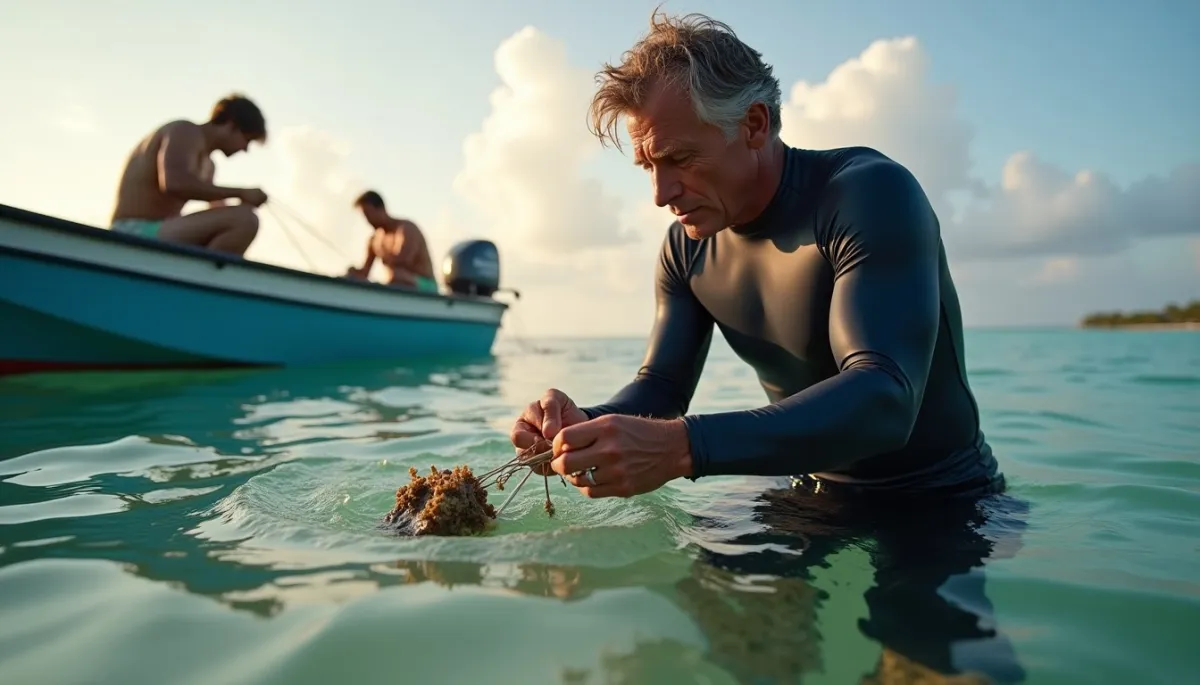
He works in water, with hands that know the weight of seedling corals. Imagine a small boat at dawn, clear tropical water, and a diver kneeling on a reef to tie a tiny coral fragment to a frame. The scene is intimate and almost domestic, far from the dramatic headlines about dying oceans.
Gardens sous-marines
The man at the centre of many recent stories is Ken Nedimyer, an early pioneer of coral gardening in the Florida Keys. He helped found the Coral Restoration Foundation, which has become a model for community-driven nursery programs that grow corals on ropes and structures before outplanting them on degraded reef patches.
These nurseries act like botanical gardens for corals. Fragments (small pieces of adult coral) are placed on lines or trees in clean, well-flowing water to heal and multiply. After months to a year, healthy colonies are tied to the reef substrate to accelerate recovery.
Such projects are complemented by scientists like the late Dr. Ruth Gates (1962–2018), who worked in Hawaii on coral genetics and the search for heat-tolerant strains. Together, practitioners and researchers have shown that hands-on restoration can buy time for reefs under stress.
Pourquoi il s'est lancé
The rise of coral gardening is a response to increasingly visible reef decline. Global bleaching events, notably in 1998 and again in 2016, killed large swathes of corals through heat stress. These shocks exposed how fragile reef systems are when pushed beyond their thermal limits.
For many restorers, personal moments sparked action. After the 1998 bleaching, volunteers in the Caribbean began rescuing remnant colonies. In Florida, storm damage and disease outbreaks in the 2000s motivated citizens and managers to try active restoration rather than passive waiting.
Technological and methodological advances helped scale efforts. Techniques such as “microfragmentation” (breaking corals into tiny pieces to speed growth) and ex situ land-based nurseries have shortened growth times, making restoration more efficient when done responsibly.
Entre espoir et limites
Restoration brings clear, localized success stories, but it is not a silver bullet. Transplanted corals can survive and grow, creating habitat and boosting local fish populations, yet they remain vulnerable to new bleaching events and water-quality issues.
Critics warn against seeing planting as a substitute for emissions reductions and coastal pollution control. Restorers acknowledge this; many projects now combine planting with advocacy, water management and community education to tackle root causes.
Looking forward, promising directions include selective breeding for resilience, larger-scale offshore nurseries, and partnerships between scientists, indigenous communities and tourism operators. The aim is to make reefs more resilient, not to pretend they can be restored everywhere at once.
Thanks for reading, and don't forget, Enjoy Life Moments!