Extended orgasm: explore new peaks of pleasure by surrendering

🚀 Key Takeaways
- Key concept : An extended orgasm is a prolonged plateau of pleasurable sensations achieved through breathwork, edging and relaxation.
- Practical tip : Start with breath and communication, try short edging sessions, and finish with slow aftercare.
- Did you know : Traditions from tantra and Taoist sexual practices inspired modern techniques now taught in urban workshops from Berlin to Bali.
Let go, and the body answers.
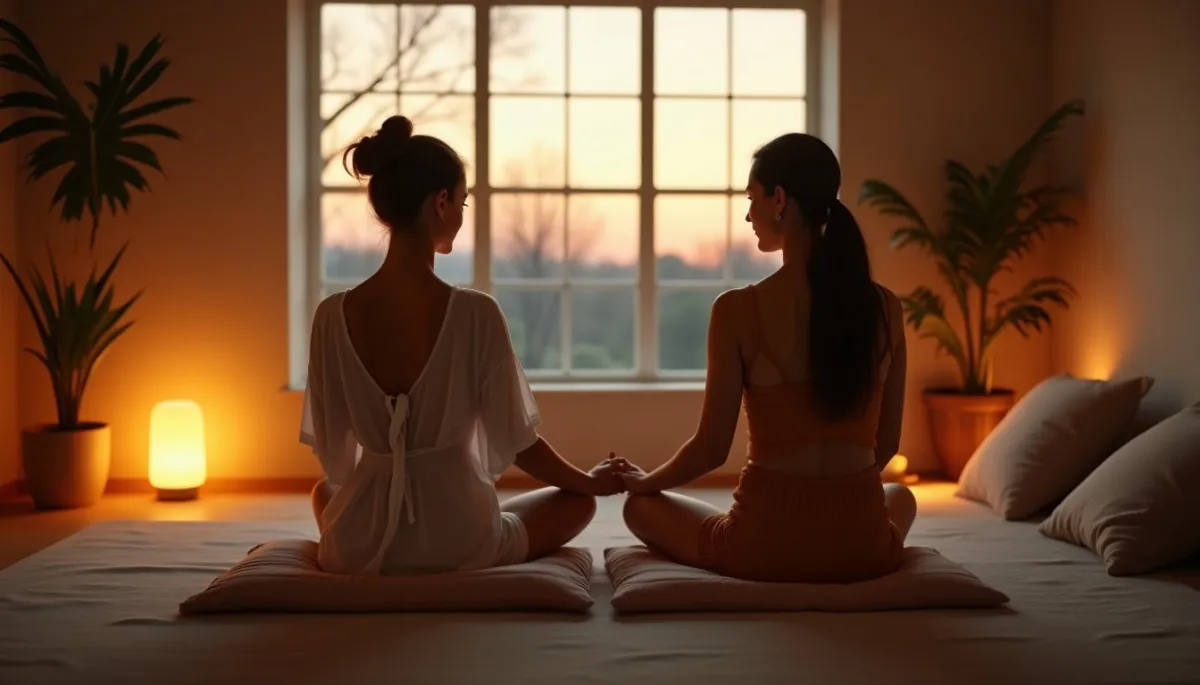
Picture a small apartment in Berlin at midnight, soft music, two people sitting face to face on a low rug. They breathe together, hands on each other, following a slow count. No rush, just waves of warmth moving up and down the spine. Minutes pass that feel like half an hour. The lights are low, the world outside distant. This is the atmosphere where an extended orgasm can begin: not a single explosive peak, but a long, evolving river of sensation.
New pleasure maps
In contemporary sexuality, the extended orgasm describes a state where the climactic experience stretches beyond a brief peak into a prolonged plateau of rhythmic pleasure. Practitioners report sensations that ebb and flow over minutes, sometimes longer, often described as multiple micro-peaks or a blissful continuum.
The idea is not entirely new. Millennia-old tantric and Taoist texts invited lovers to cultivate sexual energy through breath, attention and subtle contractions. Modern sex therapists and educators have repackaged these approaches, adding neuroscience-friendly language and practical exercises to make them accessible.
Workshops in cities like New York, London and Barcelona, as well as online classes, teach techniques such as edging (delaying orgasm), circular breathing, and pelvic floor relaxation. These methods aim to expand the plateau phase of sexual response, allowing sensations to build and ricochet rather than crash into a single peak.
Why the interest grows
Several cultural shifts explain why extended orgasms are gaining attention. First, the wellness movement has mainstreamed breathwork, mindfulness and somatic practices, making them natural partners for sexual exploration.
Second, technology and sex education have evolved. Apps guide breath and tempo, sexual health blogs demystify techniques, and communities share anecdotal results. This lowers the threshold for trying methods that once felt esoteric.
Third, changing expectations around pleasure, especially among women and gender-diverse people, encourage experimentation. Many seek richer, less performance-driven experiences. Extending orgasm is one route to move from achieving to exploring pleasure.
Surrender with care
Surrender is central but it can be misunderstood. Lâcher prise here means releasing control over timing and outcome, not abandoning boundaries. Consent, clear communication, and safety remain essential.
Practical exercises begin with breath: inhale for four, exhale for six, soften the pelvic floor on the out-breath. Edging sessions involve reaching near-orgasm and then easing back, repeating this cycle to train the nervous system. Partners can alternate roles, with one guiding rhythm and the other following internal cues.
There are caveats. Not everyone will experience long, dramatic waves. Medical conditions, anxiety or past trauma can block sensation. Some people may feel pressured by the idea that longer equals better. Responsible teachers remind learners that pleasure quality matters more than duration.
From tradition to bedside
Historically, tantric texts from India and Taoist manuals from China described sexual practices as paths to prolonged bliss and spiritual union. In the West, sexologists in the 20th century, including the work of Masters and Johnson, shifted focus toward physiology and therapy.
Today, festival stages in Bali, intimate studios in Paris and remote breathwork retreats in the Alps offer variations on the same theme: elongated pleasure through presence. Anecdotes abound: a couple in Barcelona reported that a weekend workshop taught them to synchronize breathing so well they could hold a shared, slow crescendo for more than ten minutes.
Such stories illustrate possibilities, not promises. The journey to an extended orgasm is often gradual, experimental and highly personal. Curiosity, patience and mutual respect make it rich.
Practical roadmap
Start solo. Learn to track arousal and to edge without pressure. Use breath as your anchor, and practice pelvic floor relaxation between contractions. Share discoveries with your partner in neutral moments, not mid-intimacy.
Set a gentle structure for partnered practice: agree on signals, pick a calm evening, and allow at least an hour. Combine slow touch, alternating stimulation, and intervals of stillness. Finish with aftercare: water, cuddling, and verbal check-in.
If you have doubts or a history of sexual trauma, seek a trained sex therapist. They can adapt exercises and offer a safe path to explore extended pleasure.
Thanks for reading, and don't forget, Enjoy Life Moments!