Star chefs at home: the ultimate gastronomic luxury for champions to optimize their bodies
🚀 Key Takeaways
- Core concept : Private star chefs design personalized performance diets.
- Practical tip : Ask about macronutrient timing and ingredient sourcing.
- Did you know : Demand for in-home chef services rose after 2020, driven by privacy and personalization.
Pure comfort, pure control. Imagine a quiet townhouse kitchen where a Michelin-trained chef plates a post-training meal timed to an athlete's recovery window.
Table des champions
The scene is intimate: stainless-steel counters, vacuum-sealed herbs, a whiteboard with daily macros. A private chef moves between precision cooking and conversation with the athlete's nutritionist. Ingredients arrive from small producers, and each plate is coded to a training session.
This phenomenon is no longer anecdotal. Professional teams and individual champions increasingly rely on private chefs as part of their performance staff. Celebrities and top-tier athletes who once traveled with a nutritionist now add a full culinary team for home life and on-the-road commitments.
Platforms and agencies such as La Belle Assiette in Europe or bespoke concierge services in sport hubs (Los Angeles, London, Monaco) have formalized these demands. The result is a hybrid offer: Michelin-level technique applied to strict nutritional protocols.
Pourquoi maintenant
Several forces converge. First, sport science has matured: recovery, sleep, and nutrition are measurable performance levers. Athletes want more control over ingredients, timing and meals tailored to micro-cycles of training, travel and competition.
Second, the luxury market's appetite for hyper-personalization has grown. High-net-worth individuals expect services that blur lines between lifestyle and results. A private chef who knows your glucose response or inflammation markers represents both indulgence and utility.
Third, the pandemic accelerated a shift toward private experiences. Security and privacy became premium values. For athletes under public scrutiny, dining at home with expert culinary care reduces stress and optimizes routines.
Menus sur mesure
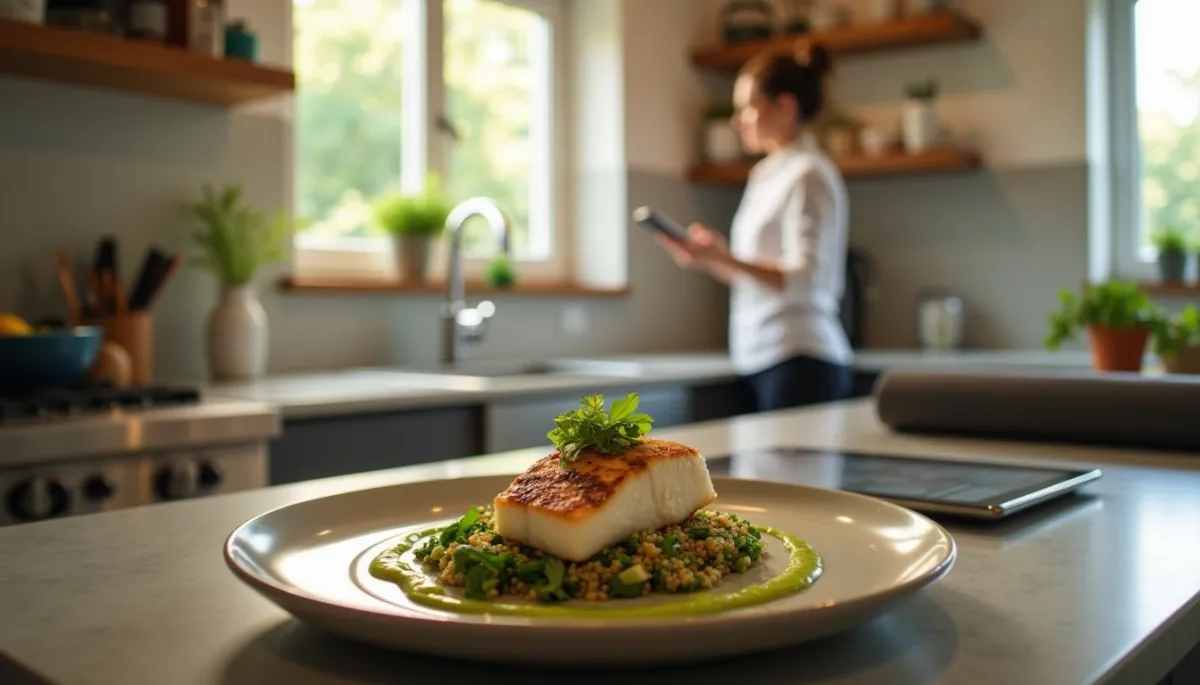
What does a performance menu look like? Typical examples include pre-training breakfasts focused on slow-release carbs and hydration, for instance porridge with banana and almond butter. Post-workout plates emphasize protein and anti-inflammatory fats: grilled white fish, quinoa, leafy greens, and an avocado-turmeric emulsion.
Chefs adapt classical techniques—sous-vide, low-temperature confit, quick pickles—to preserve nutrients and texture. Spices and fermentation are used strategically for gut health. Plant-forward plates often coexist with meat-based recovery meals, depending on iron and amino-acid needs.
Menus are also periodized. During heavy training blocks, calories and carbs increase. In tapering phases, chefs favor lighter, fast-digesting meals. This micro-periodization is the culinary translation of a coach's training plan.
Science et savoir-faire
Collaboration is essential. Top chefs working for athletes routinely consult dietitians, physiologists and sometimes a team doctor. Food becomes a delivery system for nutrients timed to glycogen windows, inflammation control and sleep quality.
Some terms deserve a quick explanation. Biohacking refers to deliberate interventions—diet, sleep, supplementation—to improve biology. Periodization is the planned variation in training; culinary periodization mirrors that idea for daily fueling.
Data drives choices. Continuous glucose monitors, sleep trackers and blood markers inform menu tweaks. A chef who understands these metrics moves from artisan to technician of performance.
Tensions et choix
Yet this trend raises questions. Aligning culinary excellence with rigid nutrition can be technically challenging. Highly processed ‘health’ products may tempt shortcuts; conversely, haute cuisine sometimes prioritizes taste over exact macro balance.
Cost and equity are obvious limits: this is elite consumption. But the techniques developed in these private kitchens often filter down—recipes, sourcing practices and timing strategies influence mainstream sports nutrition and premium catering.
Future developments may include more remote collaborations, chef-designed meal kits calibrated to an athlete's data, and increased use of functional ingredients (collagen, adaptogens) validated by research.
Conseils pratiques
If you consider hiring a private chef for performance, start with clear goals: muscle gain, weight class management, recovery, or gut health. Ask about experience with athletes and willingness to work with a dietitian.
Discuss sourcing and seasonality. Local, fresh produce matters for micronutrients. Ask how recipes are adjusted for travel, competition schedules and cultural preferences.
Finally, evaluate flexibility. The ideal chef balances creativity with discipline, transforming clinical guidelines into appetizing plates that an athlete will consistently eat.
Thanks for reading, and don't forget, Enjoy Life Moments!