Slow down to love better: the art of slow sex
🚀 Key Takeaways
- Core concept : Intimacy through presence, not speed.
- Practical tip : Try a 15-minute sensate focus exercise without aiming for orgasm.
- Did you know : Sensate focus techniques come from Masters and Johnson, 1960s sex therapy.
Close your eyes, breathe together, listen to the city breathing beyond the window.
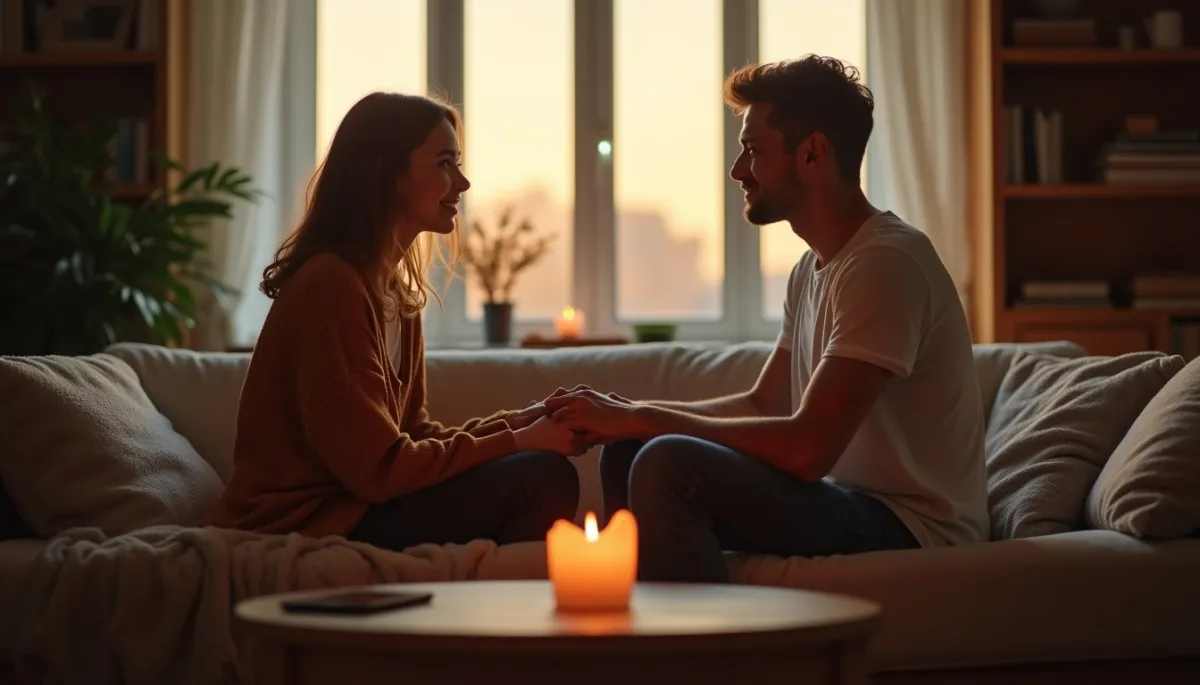
Imagine a small apartment in Madrid at dusk, a couple lighting a candle, setting aside phones in a drawer. They choose to touch with curiosity, not to achieve a goal. This is the scene where slow sex takes root: an ordinary room turned into a sanctuary of small gestures, long looks and attentive breathing.
Slow the moment
Slow sex describes intimate practices that deliberately reduce speed and performance pressure, favoring sustained attention to sensation, emotion and touch. It is not simply having sex more slowly; it is a mindset that redefines what success means in a sexual encounter.
Over the past decade, search interest and mainstream coverage have increased. Workshops billed as "slow sex" or "conscious intimacy" now appear in wellness centers from Berlin to Buenos Aires. Therapists report clients seeking alternatives to hookup culture and porn-influenced expectations.
At its core, slow sex borrows from mindfulness and somatic practices. The goal is to cultivate presence. Techniques include extended eye contact, synchronized breathing, slow massage and sensate focus (a structured exercise developed by sex therapists William Masters and Virginia Johnson to rebuild intimacy after dysfunction).
Sensual origins
The idea of slowing down has deep roots. Tantra, with its long history across South Asia, emphasized prolonged rituals of presence and breath work. In the West, elements of tantra were popularized in the late 20th century alongside the rise of sex therapy and the sexual liberation movements.
Sensate focus, born in the 1960s clinical setting, introduced a practical route: couples are guided to explore touch without the expectation of intercourse or orgasm. This method proved powerful for reducing performance anxiety and re-centering pleasure on shared sensation.
Recent influences also include mindfulness meditation, which entered popular culture in the 2010s, and the slow movement more broadly (slow food, slow travel). Together, they form a cultural shift that values quality over speed, even in the bedroom.
Gentle tensions
Despite its appeal, slow sex raises questions. Some people worry it becomes another performance metric: an obligation to 'be mindful' perfectly. Others feel awkward at first; slowing down exposes emotional rawness and may reveal unresolved relational issues.
There are also cultural limits. In societies that equate sex with passion and climax, proposing a slower itinerary can be met with skepticism. Younger generations influenced by quick pornography might struggle to recalibrate expectations without guidance.
Yet the contradictions also open opportunities. Therapists adapt slow practices to modern life: micro-rituals for couples pressed by schedules, audio-guided practices for beginners, and workshops that pair practical exercises with conversation and consent tools.
Practical embrasures
To try slow sex tonight, start small. Agree on a 15-minute 'no-goal' window. Sit facing each other, hold hands, and breathe at the same pace. Notice textures, temperature, and micro-reactions. Speak one appreciation sentence—no critique.
Remove screens, set a simple ritual (lighting a candle, choosing a playlist), and designate a signal to stop. Use objects like a silk scarf for gentle touch exploration. If anxiety appears, name it aloud; the act of sharing often dissolves tension.
For couples with deeper difficulties, sensate focus exercises under a trained therapist remain one of the most evidence-based routes. They rebuild trust step by step, and can transform sex from a performance into a shared language.
Slow sex is neither moralizing nor prescriptive. It invites an experiment: what happens when we treat touch as conversation, not as checklist? Many who try it report more satisfying encounters, deeper emotional intimacy, and a renewed sense of curiosity about their partner.
Thanks for reading, and don't forget, Enjoy Life Moments!