Polo and golf clubs: the last bastions of traditional elite sociability
🚀 Key Takeaways
- Core idea : Polo and golf clubs remain centres of in-person elite sociability.
- Practical tip : To access these worlds, seek reciprocal memberships, charity events, or corporate ties.
- Did you know : Augusta National admitted its first female members in 2012, a moment that reverberated across private club culture.
Elegance still arrives on time.
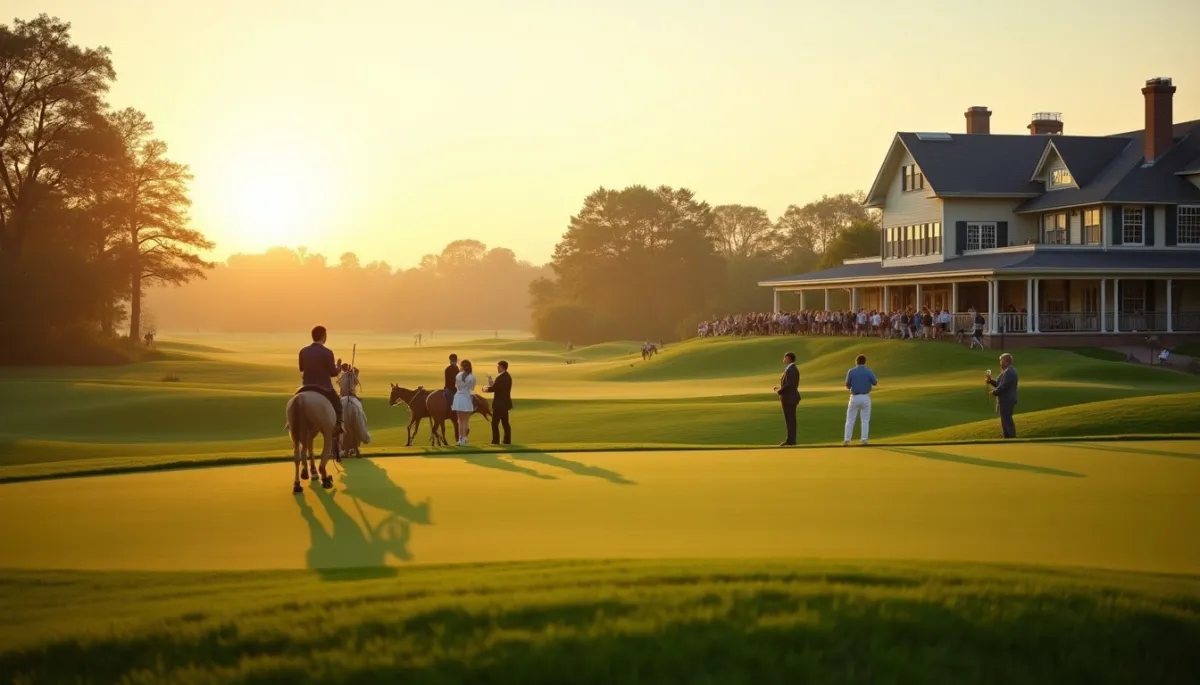
Imagine an autumn afternoon at a classic club: the clubhouse porch humming, linen-clad waiters serving tea, a polo match thunder across the pitch or a foursome teeing off on a links hole framed by sea wind. Conversation slides from family news to art acquisitions, to subtle deals. The setting is curated down to the cufflinks and the crests embroidered on blazers.
Vestiges et scènes
These institutions function as living archives. At St Andrews in Scotland, members and visitors discuss shot shape while respecting a lineage of play that dates back centuries. In Buenos Aires, the Palermo and Tortugas grounds stage the Argentine Open, where polo families gather each winter. In the United States, Augusta National and Pine Valley continue to attract those who value tradition and privacy.
Beyond sport, clubs are stages for rituals. Annual charity balls, debutante-like introductions in some circles, founder's days, and members' luncheons create recurring opportunities to refresh social ties. Membership cards and reciprocal agreements act like passports; they open doors internationally, from Valderrama in Spain to the Guards Polo Club in England.
Quantifiable measures vary, but patterns are clear. After the pandemic, many private clubs reported renewed demand for membership as well-being and outdoor socializing rose in value. Observers note that the clubs that weathered the last decade best combined heritage with selective modernisation: improved family facilities, digital booking, and upgraded hospitality while keeping dress codes and rituals intact.
Raisons profondes
The endurance of these bastions rests on several causes. First, the social function: for aristocratic and old-money networks, clubs are reliable spaces of trust. Shared routines, mutual friends, and repetitive encounters produce the kind of social capital that cannot be fully replicated online.
Second, there is the symbolic economy. A crest on a blazer, a reserved box at a polo final, a tee time at dawn—these are signals. They communicate stability, pedigree, and access. Brands, patrons, and politicians understand that visibility in such spaces can work as a soft lever of influence.
Third, the clubs are adapting economically. Many rely on a mix of member dues, guest fees, events and corporate partnerships. Luxury houses increasingly use polo and golf for experiential marketing: La Martina at polo events, or watchmakers sponsoring pro-am tournaments. That financial logic keeps these places relevant for new patrons who want the cachet without necessarily being born into it.
Sous la couverture
Yet the picture is not monolithic. The clubs face tensions. Questions about diversity, gender, and transparency have forced some institutions to evolve. Augusta National's admission of two female members in 2012 was a turning point; other clubs have followed suit, yet inclusion remains uneven across countries and disciplines.
There is also a generational story. Younger wealthy cohorts—tech entrepreneurs, creatives and new cosmopolitan families—often prefer flexible luxury experiences: private members' clubs in cities, curated travel, or sportier, less formal enclaves. Clubs that insist on rigid traditions risk becoming museum pieces rather than living communities.
Finally, cost and land pressure matter. Maintaining a polo field or a championship golf course is expensive and land-intensive. In some regions, urban expansion and environmental regulation push clubs to reinvent their models: shorter courses, more community outreach, or eco-certifications to justify their footprint.
Accès et conseils
If you want to enter this world, there are pragmatic paths. Reciprocal club networks can grant guest privileges if you already belong to an established club. Corporate memberships or sponsoring a charity tournament are common routes for business leaders. For players, joining local leagues and building a presence on the field remains the most authentic entry.
Etiquette matters. Dress codes, punctuality, and introduced guests are not mere formality: they are part of the social grammar. Observing rituals, learning the names of stewards and managers, and contributing to club life by attending events will help convert a temporary visit into lasting inclusion.
For brands and younger patrons, engage with clubs as platforms for community building rather than as simple status signs. Host workshops, fund a junior polo program, support course conservation. Those gestures create reciprocal value and help clubs renew their social role.
In the end, polo and golf clubs endure because they solve a human problem: they preserve, in physical form, the slow, repeated encounters that build trust and influence. As long as people value face-to-face rituals, these bastions of the traditional elite will keep a special place on the social map.
Thanks for reading, and don't forget, Enjoy Life Moments!