Rolle, the pearl of the lakeshore and its artificial island
🚀 Key Takeaways
- Key concept: Rolle is a historic lakeside town blending medieval heritage and contemporary waterfront design.
- Practical tip: Take the regional train from Geneva or Lausanne, arrive early for sunrise photos of the island.
- Did you know: Rolle is the birthplace of Frédéric-César de La Harpe, an important figure for the Vaud region.
There is a gentle hush at dawn over Rolle's quay.
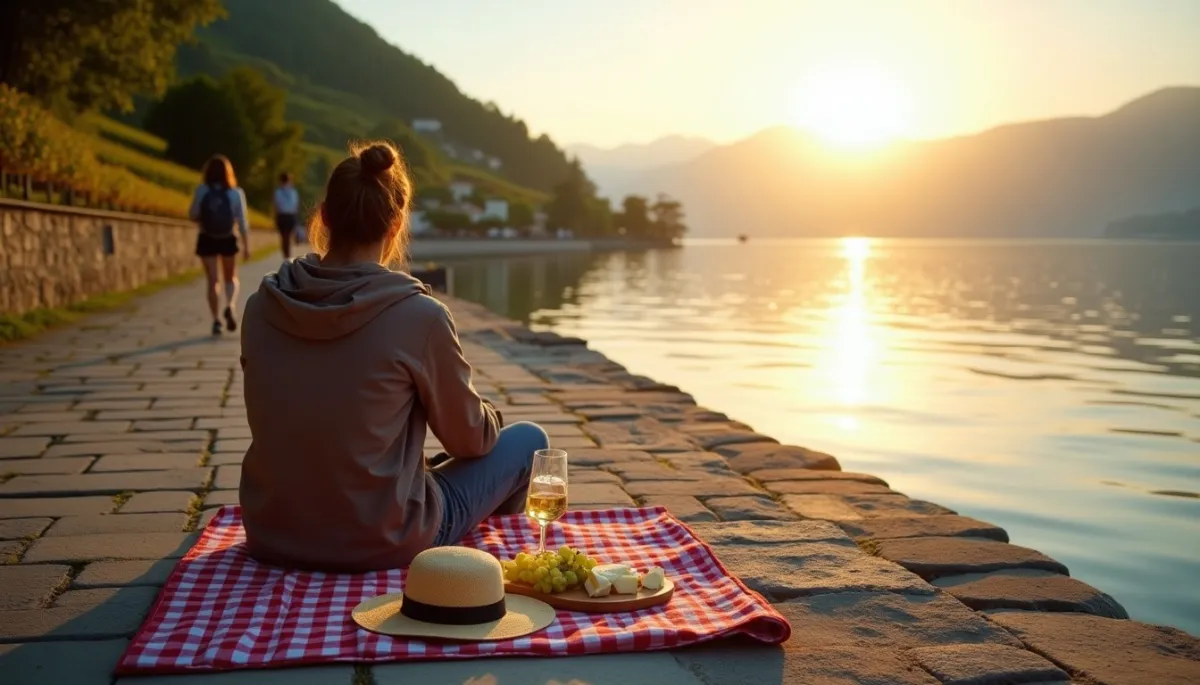
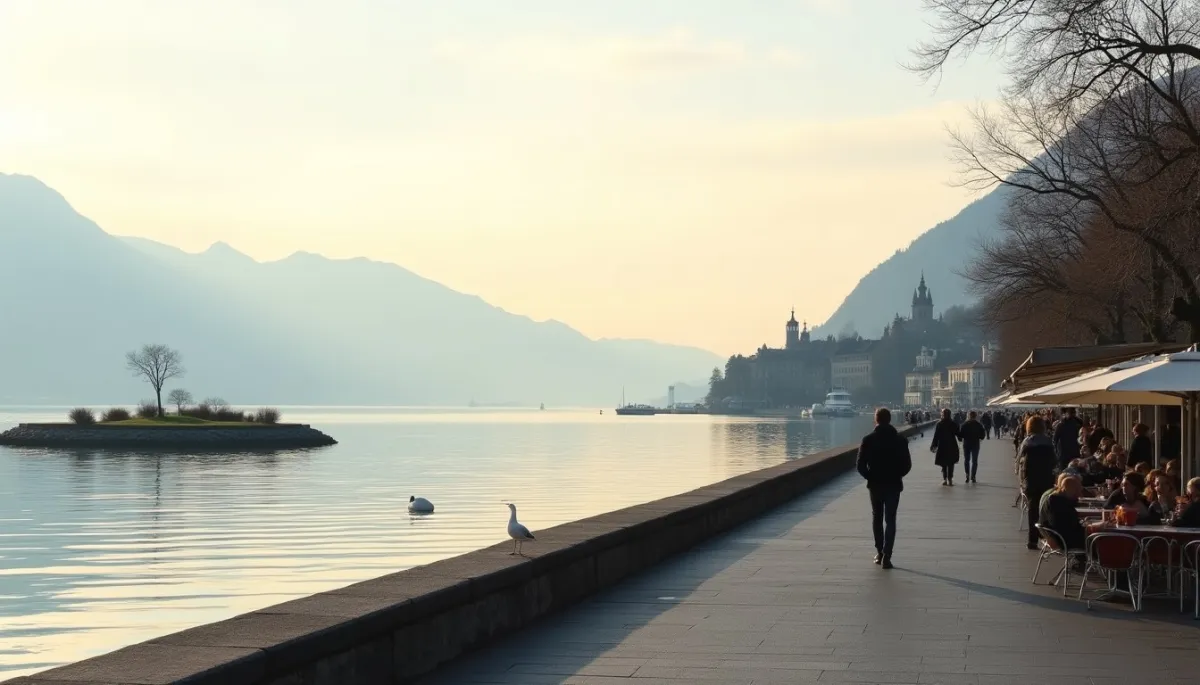
Imagine stepping off a regional train, the air cool with Lac Léman's breath, the Château de Rolle silhouette soft against the Alps. Fishermen untangle lines, café owners set out croissants, and across the lake a compact, green islet seems to float like a jewel. That is the daily postcard here, where history and a small man-made island meet the rhythm of the water.
Perle et patrimoine
Rolle's nickname, the "pearl of the lakeshore," is earned by its compact beauty: a medieval castle, a tight-knit old town and a promenade planted with plane trees. The château, whose origins date back to the 13th century, dominates the waterfront and anchors the town's identity.
With roughly 6,000 inhabitants (order of magnitude, varying with seasonal residents), Rolle sits on the north shore of Lake Geneva, halfway between Nyon and Lausanne. The SBB regional line connects Rolle repeatedly each hour to Geneva (about 30–40 minutes) and Lausanne (about 20–25 minutes), which explains its popularity with commuters and urban weekenders.
Born here in 1754, Frédéric-César de La Harpe is one of Rolle's best-known sons. Tutor to future Tsar Alexander I and a political actor of the Vaud independence movement, his legacy surfaces in street names and local memory; visitors curious about Swiss history will find traces of this past in plaques and local guides.
Un îlot créé
At the heart of recent conversations is the small artificial island moored a short swim from Rolle's quay. Built as a calm, managed extension of the shoreline, the islet blends engineering and ecology, providing a focal point for photographers and a quiet refuge for waterfowl.
Artificial islands are engineered structures (made of piled stone, geotextiles and planted soil) intended to serve diverse purposes: biodiversity, leisure, protection or urban design. In Rolle, planners conceived the islet to complement the promenade and to offer a micro-habitat, while respecting lake levels and navigation routes.
Locals adopted it quickly. Kayakers use it as a marker, families picnic on the nearby beaches, and birdwatchers note new nesting spots. The islet is an example of how small-scale interventions can alter a town's relationship with its waterfront without imposing a heavy footprint.
Pourquoi cet ajout
Why build an artificial island here? The answers mix practical and aesthetic motives. Facing seasonal lake-level fluctuations and increased recreational use, town planners saw an opportunity to stabilize a portion of the shore while enhancing ecological value.
Economic logic also plays a role. A distinctive waterfront feature attracts day-trippers from Geneva and Lausanne, benefiting cafes, shops and small hotels. Rolle's compact old town becomes a strong product for short cultural and culinary breaks.
Finally, the island is part of a broader regional trend: municipalities around Lake Geneva experiment with soft infrastructure to adapt to tourism pressure and climate variability. Small projects, replicable and reversible, are preferred to large rigid constructions.
Contrastes et perspectives
Not everything is unanimously praised. Some residents worry about increased visitor flows in summer, pressure on parking and the risk of trivializing local life. Others question long-term maintenance costs for an object exposed to wave action and ice in harsh winters.
Municipal authorities addressed these concerns through consultation phases, seasonal management plans and an emphasis on low-impact materials. Monitoring of bird populations and water quality helps justify the ecological claim, and flexible mooring ensures the island copes with lake dynamics.
Looking ahead, Rolle balances conservation and conviviality. The artificial islet acts as a small laboratory: can modest infrastructure deliver ecological benefits and renewed civic pride? Early signs point to yes, as long as governance keeps pace with popularity.
Thanks for reading, and don't forget, Enjoy Life Moments!