Responsible caviar: how new sturgeon farms are redefining a royal delicacy
🚀 Key Takeaways
- Core concept : Modern aquaculture produces most of today's caviar with better traceability and lower environmental impact.
- Practical tip : Look for ASC certification, species name and origin on the label; prefer farms using recirculating aquaculture systems (RAS).
- Did you know : China and Europe are now major producers, and non-lethal egg collection methods exist.
Silvery, calm, almost unreal.
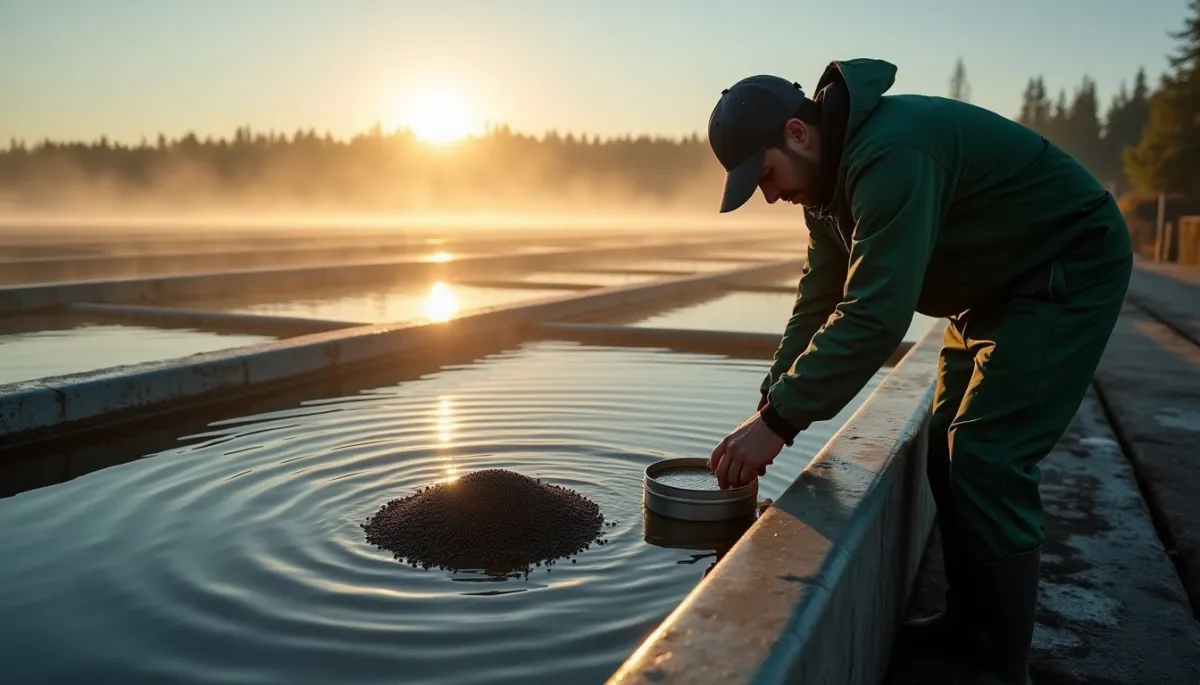
Imagine dawn on a large rectangular basin, faint mist rising, technicians in green boots checking oxygen probes while a tin of glossy beads waits under a soft lamp. The scene differs from the romantic image of old-world caviar: here, science and transparency replace mystery.
New geography
For decades the image of caviar evoked the Caspian Sea and black pearls from wild beluga and osetra sturgeons. Today, more than 90% of commercially available caviar comes from farms. Production has shifted to controlled environments from France and Italy to Idaho in the United States, to large operations in China and smaller boutique farms in Spain and the United Kingdom.
This change matters. Farming stabilizes supply, reduces pressure on endangered wild stocks, and brings traceability. Consumers can now ask for species, year of harvest and even the farm GPS coordinates in some high-end labels.
Brands such as long-established maisons and emergent boutique producers emphasize provenance. The result is a wider palette of flavors and textures, and caviar accessible beyond rarefied circles, without romanticizing scarcity at the expense of ecosystems.
How it works
Modern farms rely on multiple technical advances. Recirculating aquaculture systems (RAS) filter and reuse water, drastically reducing consumption and effluent compared with open-pond systems. Water quality is monitored by sensors, and diets are formulated to optimize fish health while lowering the carbon footprint.
Another breakthrough is the wider adoption of non-lethal harvesting. After hormonal stimulation and careful handling, eggs are removed through a process called stripping, allowing the female to recover and be re-harvested in later seasons. This methodology preserves breeding populations and aligns with ethical expectations of many consumers.
Certification schemes add another layer. The Aquaculture Stewardship Council (ASC) and regional organic labels assess environmental and social practices. CITES legislation continues to regulate trade in wild specimens, reinforcing the incentive to farm responsibly.
Taste and terroir
Caviar from farms is not uniform. Species choices, water mineral composition and feed influence flavor. Siberian sturgeon often yields a nutty, persistent taste, while paddlefish offers creamy, milder notes. Producers speak of micro-terroirs: river water remineralized in tanks, seasonal temperature cycles mimicked to fine-tune maturation.
Chefs and sommeliers are curious. Some pair farmed caviar with warmer, bolder elements, while others treat it as a pure, chilled garnish. This creative diversity helps dispel the old binary between 'real' wild caviar and 'lesser' farmed alternatives.
Small producers sometimes sell directly through tasting rooms, inviting clients to see production, taste variations and ask questions. That transparency helps rebuild trust in a product historically shadowed by illicit trade.
Why now
The shift toward responsible caviar is driven by multiple forces. The collapse of many wild sturgeon populations due to overfishing and habitat loss created a market gap that farms filled. Regulatory pressure and international agreements made wild harvests more difficult and expensive.
At the same time, consumer expectations changed. Luxury buyers increasingly demand ethical sourcing, provenance and measurable sustainability. The pandemic accelerated interest in traceability and direct relationships with producers, favoring farm tours and direct sales channels.
Investors and entrepreneurs also saw an opportunity. Sturgeon farming requires patience and capital, because many species take years to mature. Yet modern genetics, improved feeds and efficient systems reduced time to market, making the sector attractive for innovation-driven luxury brands.
Limits and tensions
Not everything is resolved. Farming concentrates many fish in confined spaces, which raises disease management challenges and reliance on antibiotics if mismanaged. Energy use for heating and RAS can be high unless offset by renewables.
Labeling is another thorny area. Some producers market 'wild taste' or highlight 'traditional methods' that may mislead consumers about actual origin. Buyers need clear, standardized information; QR codes and blockchain traceability are promising but unevenly adopted.
Finally, wild sturgeon conservation remains necessary. Farms reduce demand for illicit wild caviar, but they do not replace habitat restoration, dam removal or anti-poaching patrols, which are essential to recover historic river populations.
How to choose
Practical advice helps. First, check the label: species name (for example, Siberian sturgeon), country of origin and any certification such as ASC. Ask whether the farm uses RAS and non-lethal harvesting.
Buy from reputable maisons or farms that offer traceability and tasting notes. When possible, visit a producer or attend a guided tasting to learn how the product was raised and processed.
Finally, balance desire and responsibility. Choosing farmed, transparent caviar allows you to enjoy a luxury while supporting practices that can save species and maintain quality for future generations.
Thanks for reading, and don't forget, Enjoy Life Moments!