Petrossian: the family that introduced caviar to the world
🚀 Key Takeaways
- Core concept : Petrossian transformed caviar from a Russian specialty into a global luxury product.
- Practical tip : Taste caviar with a mother-of-pearl spoon, not metal, and serve slightly chilled for best aromatic release.
- Did you know : Today most caviar comes from aquaculture, a response to wild sturgeon decline.
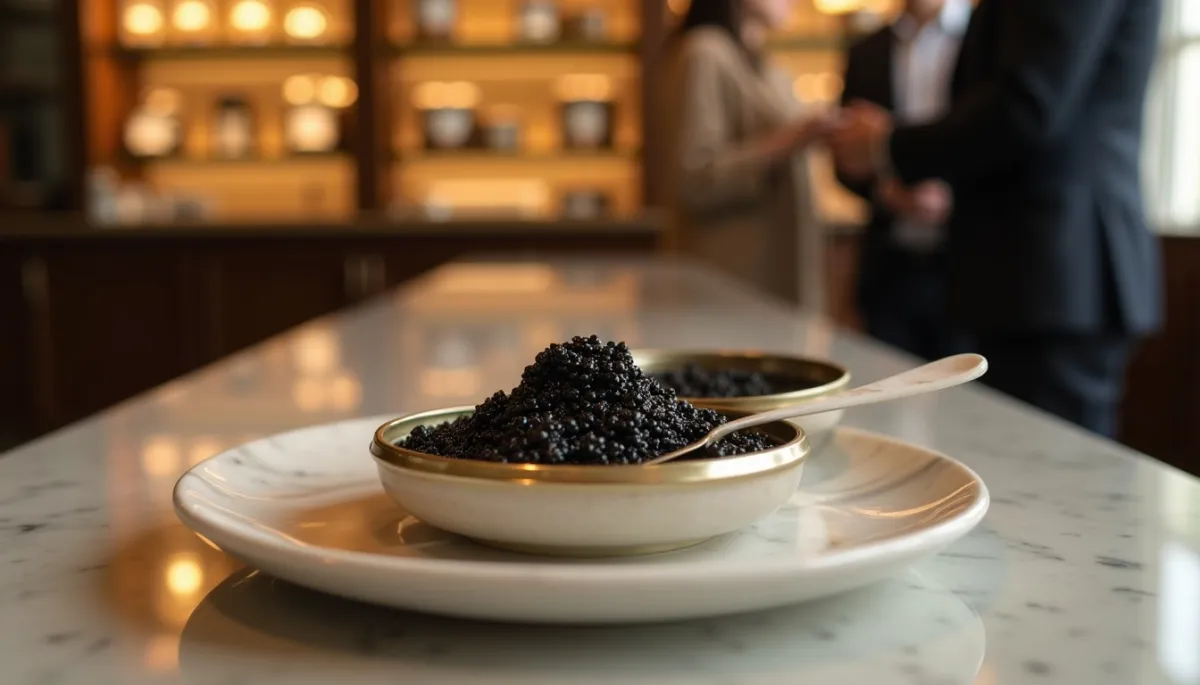
Silence, then the soft pop of grains on a mother-of-pearl spoon.
Imagine a Parisian boutique in the 1920s, gas lamps still warm in the evening, and a narrow counter where exiled merchants open thin tins of black pearls for an eager crowd. The air mixes cold river smell and refined perfumes, aristocrats and artists leaning close to sample a rarity that until recently was confined to the courts of the Russian Empire. That scene, more than a century ago, marks the beginning of how the Petrossian name became synonymous with caviar in the West.
Un trésor importé
Petrossian popularized caviar beyond the Russian elite, turning it into a Parisian must for the interwar years. Their boutiques and shipments brought beluga, osetra and sevruga to salons, restaurants and later to international capitals where taste-makers and chefs discovered the product.
The consequence was cultural. Caviar stopped being only a regional specialty and became a symbol of modern hospitality and celebration. In the mid-20th century, menus in luxury hotels and fine dining tables in Europe and the United States began to include caviar as a signature offering.
Commercially, that expansion created new markets. Petrossian invested in packaging, cold transport and retail presentation, designing the ritual of service that still guides consumers: small tins, precise portions, and tasting advice. The brand aesthetic helped shape the image of caviar as an accessible form of luxury for those who sought refined experiences.
D'un exil naquit
The family’s history explains why they led this change. Originating from an Armenian background and experienced in the Russian caviar trade, members of the Petrossian family left the turmoil of the early 20th century and settled in Paris. They brought deep knowledge of sturgeon biology, salting methods, and the seasonal rhythms that govern roe quality.
That expertise translated into practical innovations. Preserving freshness became a priority, and improvements in salting, tinning and temperature control made long-distance trade feasible. In Paris, the family matched product mastery with marketing: educating customers, advising chefs, and staging tastings that taught a new public how to appreciate caviar’s subtleties.
Beyond technical skill, the family cultivated relationships. Supplying high society, restaurants and cultural figures created a network that amplified caviar’s desirability. Word of mouth in cosmopolitan Paris turned a niche commodity into a symbol of refined living.
Vers demain
Today the story faces new realities. Wild sturgeon populations collapsed under overfishing and habitat loss, and international regulations tightened. CITES listings and national protections reshaped supply chains, making sustainable sourcing urgent for any brand that wanted to survive and be credible.
Petrossian, like many legacy houses, adapted. Investments in sturgeon aquaculture, traceability systems and partnerships with scientists became essential. Aquaculture now supplies the majority of global caviar, allowing quality control and relieving pressure on wild stocks. The challenge remains to maintain flavour complexity while scaling production responsibly.
There are also social shifts. Younger consumers look for provenance, ethics and new flavor experiences. The market has diversified with smaller tins, different price points and creative gastronomic uses. The heritage of the Petrossian family is thus in transformation: preserving rituals while innovating responsibly.
How to enjoy caviar today? Store tins at just above freezing, open them at the last moment, use non-reactive spoons (mother-of-pearl or wood), and pair simply: a dry Champagne, a chilled vodka or toasted blinis. Taste gently, appreciating texture and the mineral finish that signal quality.
Thanks for reading, and don't forget, Enjoy Life Moments!