Personal shopper: backstage of influential people’s style
🚀 Key Takeaways
- Key concept : Personal shoppers design a wardrobe strategy for high-profile clients.
- Practical tip : Start with a closet edit (wardrobe audit) before buying.
- Did you know : Luxury stores from Harrods to Galeries Lafayette offer dedicated personal shopping teams.
It feels like cinema.
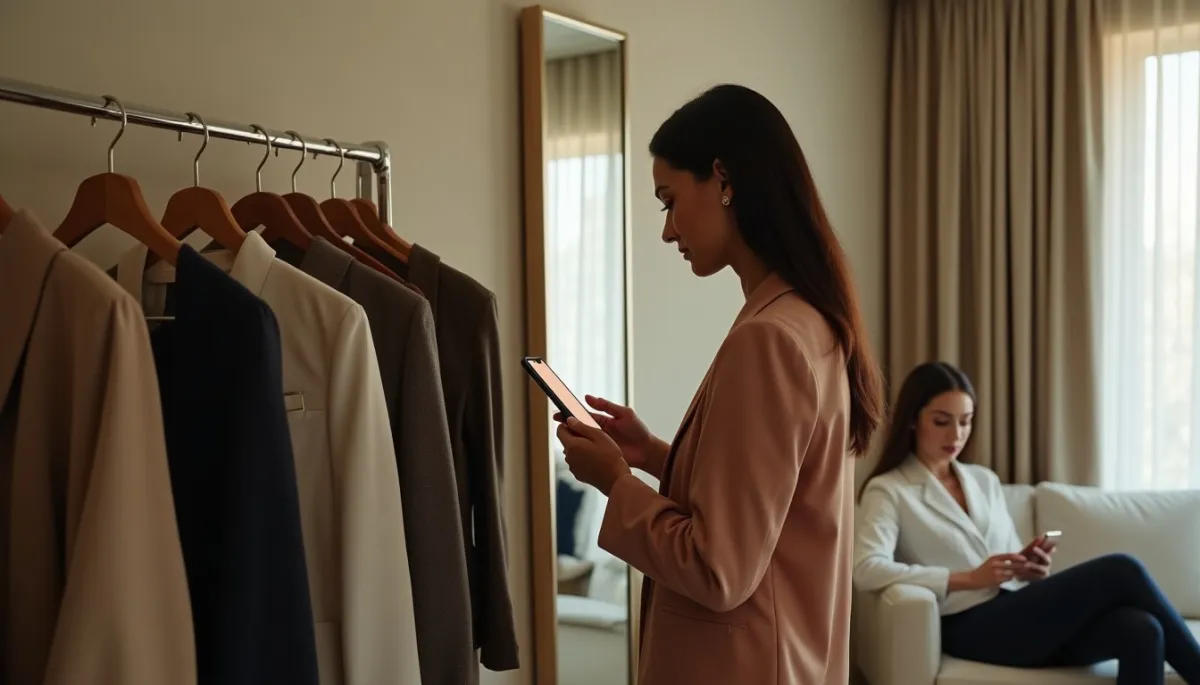
Imagine a quiet suite at Hôtel Ritz Paris, racks of couture veils and a small team unrolling labels while an actor texts from the next room. The personal shopper arranges, pins and speaks in short, confident sentences, translating mood into fabric and silhouette. Cameras are not allowed, but the choreography is precise: fittings at dawn, last-minute swaps, calls to ateliers in Milan, and a calm authority that turns panic into poise.
Mode visible
Personal shoppers have become central to how public figures present themselves. They pick looks for premieres, political events and Instagram moments, and their choices ripple into sales and trends.
Names like Rachel Zoe, Law Roach and Karla Welch are now household references; their work has propelled designers and redefined red carpet standards. Luxury retailers, from Bergdorf Goodman in New York to Selfridges in London, highlight dedicated services for VIP clients.
Beyond celebrities, CEOs and influencers also recruit personal shoppers. The service blends sourcing, negotiation and logistics, often including returns management and insurance for high-value pieces.
Raisons profondes
The demand is driven by visibility and time scarcity. Public figures need a coherent visual identity, and they have little time to research designers, fit, and availability.
Social media accelerated the need for continuous, photo-ready wardrobes. A single event look can generate headlines and commercial value, so teams invest to avoid mistakes and capture moments that resonate.
Retailers adapted by digitalising appointments, offering virtual try-ons and curated capsules. Services at Harrods, Galeries Lafayette or Bloomingdale's now combine in-store access with stylist networks, creating a seamless experience across cities.
Nuances et défis
There are contradictions. The work is intimate and intense, but often invisible. Stylists build trust while remaining behind the scenes, yet they can attract as much fame as the clients they serve.
Sustainability questions arise. Personal shopping can encourage overconsumption, but many stylists now propose closet edits (a methodical tri du dressing to keep, mend or resell pieces) and capsule wardrobes to limit waste.
Looking ahead, AI tools will help with inventory, recommendations and trend analysis, but human judgment remains crucial when translating personality into clothing. Empathy, taste and discretion are irreplaceable.
Conseils pratiques
If you consider hiring a personal shopper, define your goals first: capsule building, event looks, or daily uniform. Clear objectives save time and budget.
Ask about process: do they offer closet edits, budget ranges, and designer access? Check references and past work, ideally on varied bodies and occasions.
Finally, treat the relationship as a collaboration. The best outcomes come from trust, open feedback and a willingness to experiment within a coherent strategy.
Thanks for reading, and don't forget, Enjoy Life Moments!