Cooking with adaptogenic mushrooms: when gastronomy soothes stress
🚀 Key Takeaways
- Core concept : Adaptogenic mushrooms help the body respond to stress, and chefs use them for flavor and function.
- Practical tip : Try lion's mane in a creamy pasta and reishi as a calming tea.
- Did you know : Many of these fungi have been used for centuries in traditional Asian medicine.
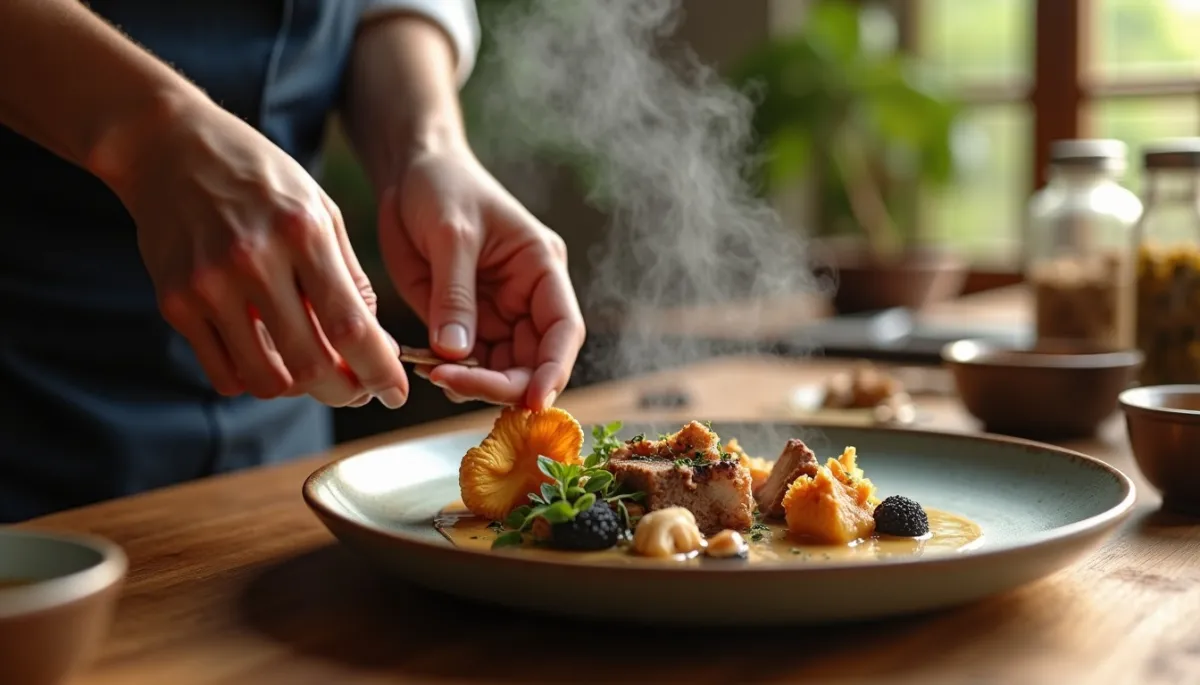
Imagine a warm plate arriving at a small table, steam carrying an earthy, almost sweet scent. The diner inhales and for a moment feels steadier.
The trend is simple and sensory. Restaurants in cities such as London, New York and Seoul now list dishes where reishi, lion's mane, chaga or cordyceps appear not as novelty items but as deliberate, flavorful choices. Chefs blend texture, aroma and reputed health benefits to create meals that want to comfort as much as they nourish.
Flavors that calm
Adaptogenic mushrooms introduce a new vocabulary of taste. Lion's mane offers a meaty, lobster-like texture that lifts vegetarian dishes. Chaga brings a dark cocoa note, ideal for broths and desserts. Reishi is bitter and resinous, often extracted as a tea or incorporated in sauces, while cordyceps adds a mild umami lift.
Beyond taste, chefs play with ritual. A reishi infusion served before a tasting menu signals a transition from the bustle of the street to a more centered dining experience. In the same way, a warming chaga broth can be offered as a morning ritual in wellness cafés, establishing calm at the start of the day.
These sensory strategies matter because eating is not only biochemical, it is behavioral. A meal that slows you down can reduce heart rate and promote mindfulness, two tangible counters to chronic stress.
Roots and research
Many of these fungi carry long cultural histories. Reishi and chaga appear in Traditional Chinese Medicine texts and Russian folk remedies respectively, used for vitality and recovery for centuries. This lineage gives culinary use both depth and a narrative consumers find reassuring.
Science is catching up, though nuance is important. Laboratory studies show compounds in these mushrooms, such as beta-glucans and triterpenes, can modulate immune and stress pathways. Clinical research is still evolving, with some trials reporting benefits for fatigue and cognitive function, especially with lion's mane. The language of science remains cautious: adaptogen describes a substance that helps the body adapt to stress, not a miracle cure.
Parallel to research, the market has expanded in the 2020s. Small farms, urban growers and specialty suppliers now produce culinary-grade mushrooms, relieving earlier concerns about quality and contaminant risk. That availability allows chefs to experiment with fresh forms, not only powdered extracts.
Questions on the table
Enthusiasm meets limits. Not all mushrooms labeled adaptogenic have the same evidence base. Reishi extracts differ from powdered caps, and dosages used in supplements do not directly translate to the amounts present in a dish. For people on medication or with immune disorders, interactions are possible, so medical advice is wise.
There is also a cultural conversation. Some chefs and herbalists warn against commodifying sacred traditions, urging transparent sourcing and respect for indigenous knowledge. Restaurants that collaborate with mycologists and traditional practitioners set better examples, combining taste, safety and ethics.
Looking forward, expect more nuance. We will see clearer culinary protocols, cooking techniques that preserve active compounds, and standardized sourcing. For now, the movement blends gastronomy and wellbeing in ways that invite participation: cook a simple lion's mane sauté with garlic and butter, or steep reishi slices into a honeyed tea, and observe how the ritual changes your evening.
Thanks for reading, and don't forget, Enjoy Life Moments!