Night jungle hike: meeting the Riviera Maya's endemic amphibians
🚀 Key Takeaways
- Core idea : Night hikes reveal endemic amphibians adapted to the Yucatán karst landscape.
- Practical tip : Use a red-filtered headlamp, keep distance, and hire a certified local guide.
- Did you know : Amphibian activity spikes after warm, short rains; cenotes are microhabitats for rare species.
Close your eyes for a second, and you can already hear them. Then open them again, and the jungle turns into a theater of reflected eyes and shimmering skin.
Moonlight chorus
The Riviera Maya's nights sound different from its days. When the sun drops behind the canopy, tree frogs, toads and small terrestrial species start a layered performance, each call marking territory, courting, or feeding. The chorus is both a natural concert and a field notebook for those who listen.
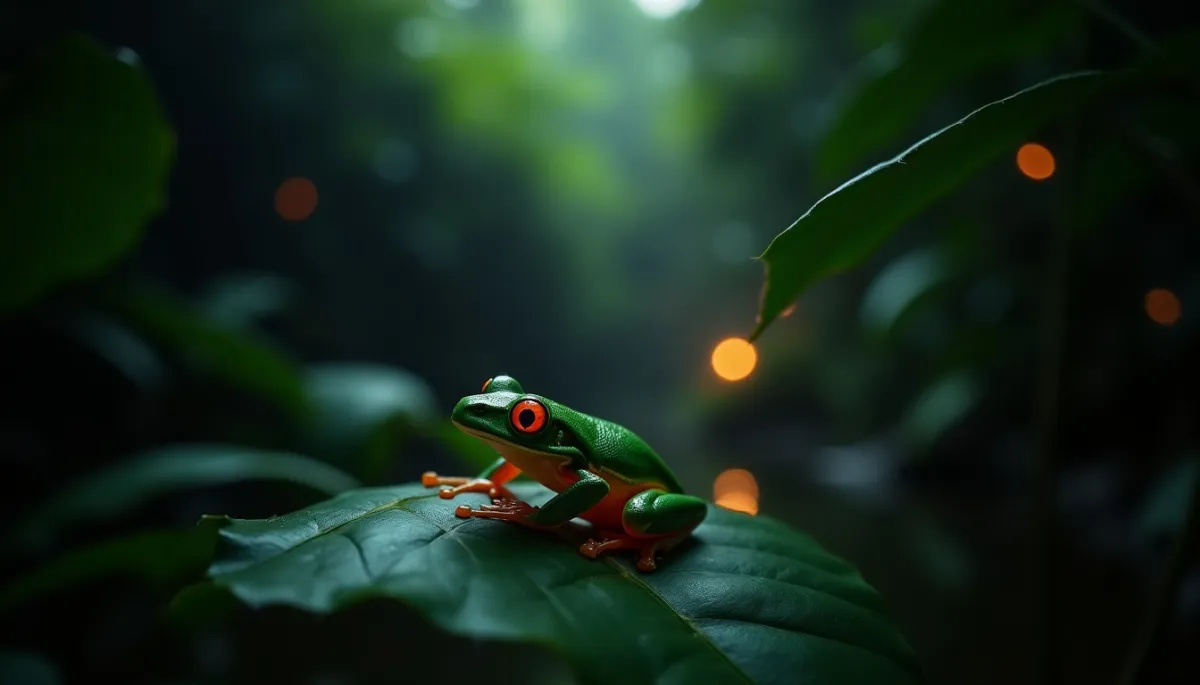
On a recent night walk near Puerto Morelos, a guide pointed at a tiny green frog clinging to a leaf above a limestone sinkhole. It was barely the size of a coin, its throat vibrating in quick pulses, a call that only a trained ear would separate from dozens of others. Moments like that reveal how vibrant and intimate nocturnal wildlife viewing can be.
Night hikes typically begin just after sunset, from March to October for the most reliable activity. The best times are the first two hours after dark and after brief tropical showers, when humidity and temperature create ideal conditions for amphibian movement.
Echoes of origin
The Riviera Maya sits on a karstic plain, full of porous limestone, cenotes and underground rivers. This geology shapes amphibian life. Many species have adapted to seasonal water pockets and the shaded understory, with some known only from a handful of sites in Quintana Roo and Yucatán. Conservationists estimate that the peninsula hosts about thirty species of amphibians, including several with restricted distributions (families such as Hylidae and Eleutherodactylidae).
Historically, local communities have known and named many of these frogs. Traditional knowledge combines with modern science: institutions like CONABIO have cataloged regional biodiversity since the 1990s, and field surveys intensified in the 2010s when tourism and development increased pressure on habitats.
Guided night hikes contribute to both awareness and science. On several occasions in the late 2010s and early 2020s, tour guides alerted researchers to unusual calls near cenotes, leading to updated occurrence records. These collaborations show how responsible ecotourism can feed conservation efforts.
Fragile lanterns
Increased interest in nocturnal wildlife brings challenges. Expanding trails, artificial lighting, and chemical runoff from resorts threaten amphibian populations. Amphibians are environmental indicators; declines often signal broader ecosystem stress. Since the 1990s global amphibian declines have been a concern, and local populations are not immune.
There are contradictions too. Tourism funds conservation projects and creates livelihoods that value healthy forests. At the same time, poor planning degrades the very habitats that attract visitors. The balance depends on strict, enforced measures such as protected buffer zones around cenotes and the training of guides in low-impact practices.
Looking ahead, community-led initiatives across Quintana Roo are testing solutions: regulated night tours, visitor limits, and citizen science apps that record calls. The goal is simple and ambitious, to keep the jungle's nocturnal concert playing for generations.
Practical lanterns
For readers who want to try a night hike: choose certified operators, bring closed shoes and a rain jacket, and favour a headlamp with a red filter. Red light disturbs amphibians less and preserves your night vision. Avoid touching animals, and never use insect repellents or sunscreens near water without checking their ingredients.
Listen more than you photograph. A short audio recording of calls, shared with a guide, can be more valuable than dozens of flash-lit images. If you want to support conservation, ask your guide about local initiatives, and consider donating to community monitoring programs run in partnership with regional NGOs.
Finally, respect local beliefs and regulations. Many cenotes are sacred to Maya communities, and some sites close seasonally for ecological or cultural reasons. The best experiences combine curiosity with humility.
Thanks for reading, and don't forget, Enjoy Life Moments!