The rise of natural and biodynamic wines on the Côte and in Lavaux
🚀 Key Takeaways
- Core concept : Natural wine means minimal intervention in the cellar, biodynamic adds holistic vineyard practices (Demeter principles).
- Practical tip : Visit Lavaux Vinorama in Rivaz and taste at small domaines in Saint-Saphorin or Chexbres for authentic encounters.
- Did you know : Lavaux terraces are a UNESCO World Heritage site since 2007, and they now host a new generation of experimental vignerons.
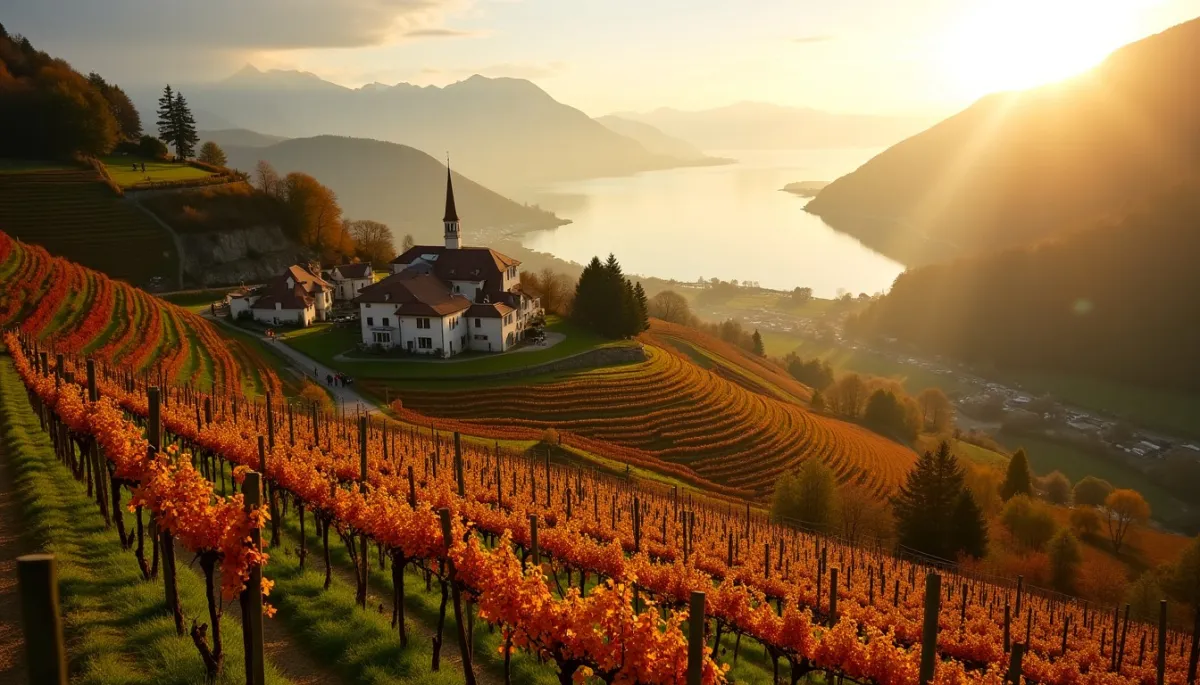
Silence and sunlight. A morning mist lifts over stone terraces, revealing rows of vines glistening with dew.
Walk along the Route du Lavaux between Cully and Saint-Saphorin and you will meet vines, stone walls, and people who talk about soil life as eagerly as they do about aromas. Small cellars open their doors, offering musty wooden aromas, cloudy pet-nat poured from neutral bottles, and lively debate about sulphites. This is the scene where natural and biodynamic wines take root on the Swiss Riviera.
Vins qui bougent
Over the past decade, the presence of natural and biodynamic wines on the Côte and in Lavaux has grown from a niche curiosity to a visible trend. Instead of slick labels aimed at export, you now find small cuvées, often in 37.5 cl or 50 cl formats, sold directly at the domaine or in local wine bars in Vevey and Montreux.
Natural wines (often called vins naturels) follow cellar minimalism: native yeasts, little or no added sulfur, and limited fining. Biodynamic viticulture builds on organic methods and adds cosmic calendars, compost preparations, and a focus on biodiversity, often certified by Demeter.
The consequences are practical and cultural. Tastings become conversations: why cloudy color, why volatile esters, why a wild-ferment Gamay alongside a mineral Chasselas. Tourists come for the views and leave curious about production methods. Local markets and some restaurants are adapting, listing more 'vins vivants' on their menus.
Racines et raisons
Why now? Some causes are local. Younger vignerons, inheriting terraces in villages such as Epesses, Rivaz or Chexbres, want to reconnect with manual work and with soil health. They are influenced by movements in France and Italy, where natural wine scenes blossomed in the 2000s and 2010s.
Environmental concerns also push change. Avalanches of synthetic inputs from the 20th century are increasingly questioned. Biodiversity projects and water regulation pressures on steep terraces make softer, ecology-friendly practices attractive and sometimes necessary.
Economic and cultural reasons add to the mix. A direct-to-consumer sales model, agritourism, and local storytelling create value that compensates smaller yields. Events such as the Fête des Vignerons in Vevey (2019 edition) spotlight traditional viticulture and encourage pride in regionally rooted practices.
Notes et tensions
However, the shift raises questions. Natural wines are stylistically varied; some drinkers celebrate the liveliness, others criticize unpredictability. Biodynamic practices require knowledge and labor, and certification like Demeter adds cost and paperwork for small domaines.
On steep terraces, erosion and old terraces require pragmatic management. Converting to organic or biodynamic systems is not a magic bullet. Vignerons balance tradition and innovation: terracing maintenance, frost protection, and selective leafing remain essential.
Finally, regulation and market expectations create friction. Swiss consumers expect quality and consistency. Winemakers experimenting with minimal intervention must find ways to educate buyers, often through tastings, storytelling, and collaborations with local restaurants in Lausanne and Montreux.
Rencontres et conseils
Concrete stories matter. Walk into a small cellar in Saint-Saphorin and you might meet a third-generation vigneron who, in 2016, began using a biodynamic compost preparation after several dry summers. Or a young winemaker in Cully who in 2021 launched a petillant natural Chasselas, bottled unfiltered and sold the same year at a local farmers market.
If you want to explore, start with Lavaux Vinorama in Rivaz to orient yourself, then choose two small domaines along the terrace route. Ask about cellar philosophy, tasting conditions, and if possible, sample a bottle opened just for you. Take notes: natural wines change quickly after opening.
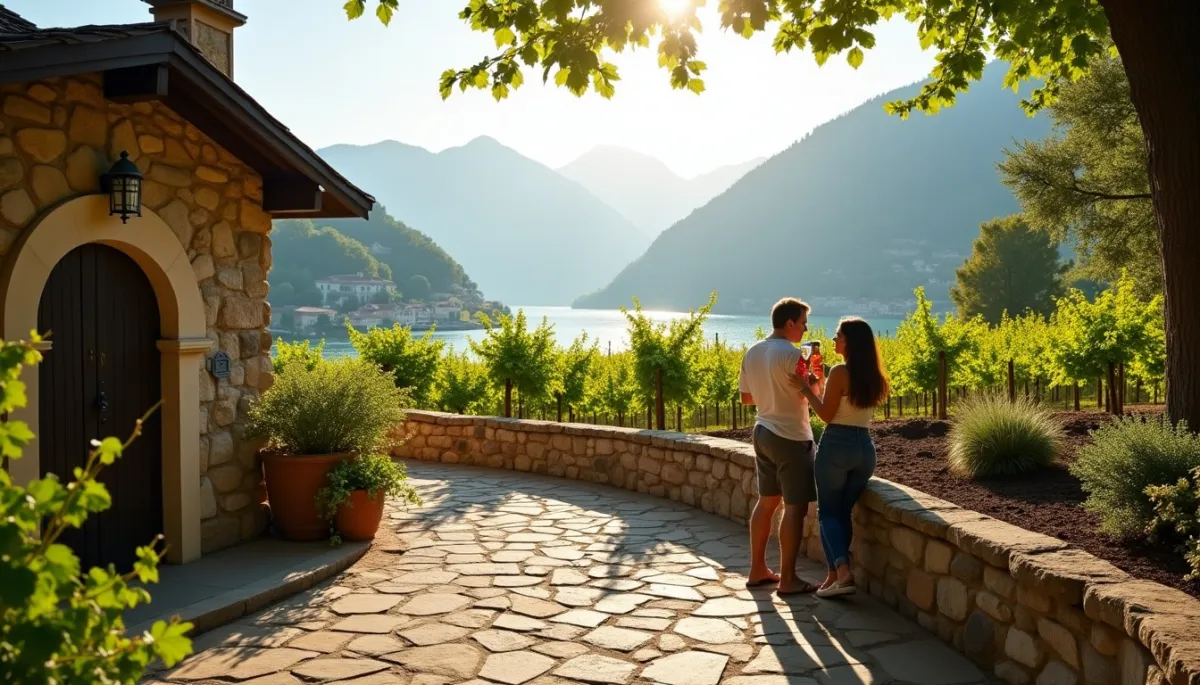
For food pairing, think simple. A slightly pétillant Chasselas can cut through creamy local cheeses. A low-sulfur Gamay loves grilled fish or raclette with herbs. And remember, the landscape is part of the tasting: sip while watching the lake and you will understand why terroir matters here.
Thanks for reading, and don't forget, Enjoy Life Moments!