Lakeside craft breweries: the revival of Romandy beer
🚀 Key Takeaways
- Core idea : Lakeside craft breweries are driving Romandy's beer revival.
- Practical tip : Follow a lakeside tasting route and book tours in advance.
- Did you know : Many brewers age beer in Lavaux wine barrels or use local ingredients.
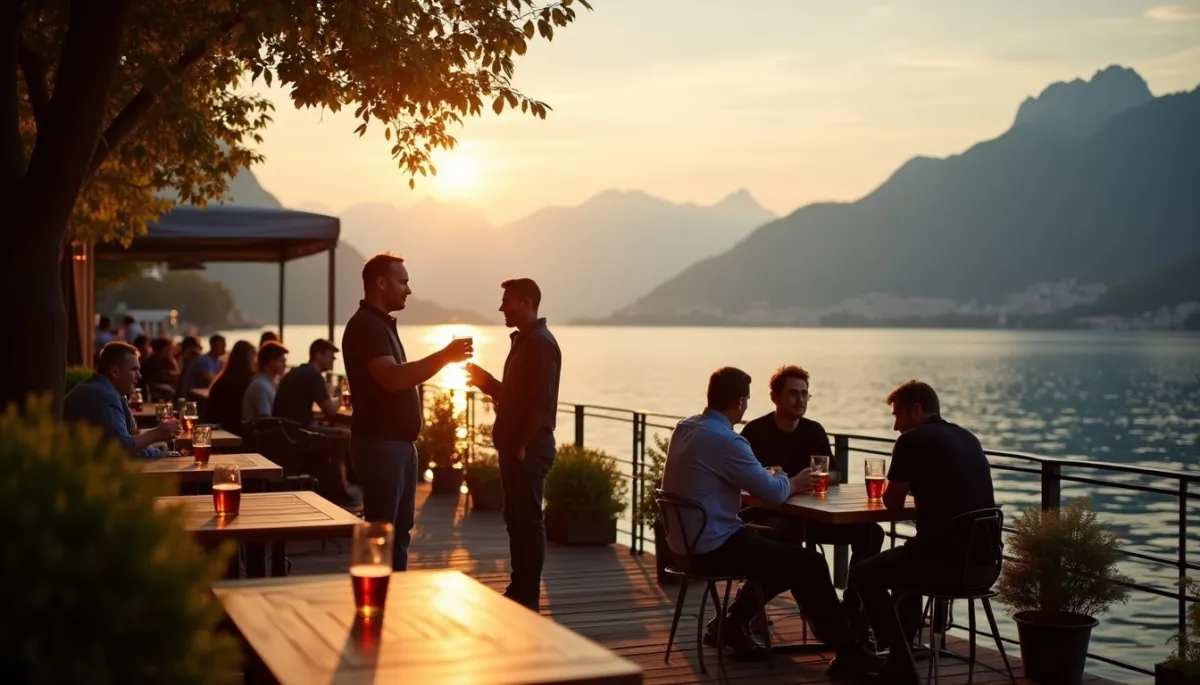
First sip, and you understand the change. Imagine a wooden table by the quay at sunset, the lake reflecting the Alps, a brewer explaining how local water and a piece of Lavaux grape must turned a saison into something truly regional.
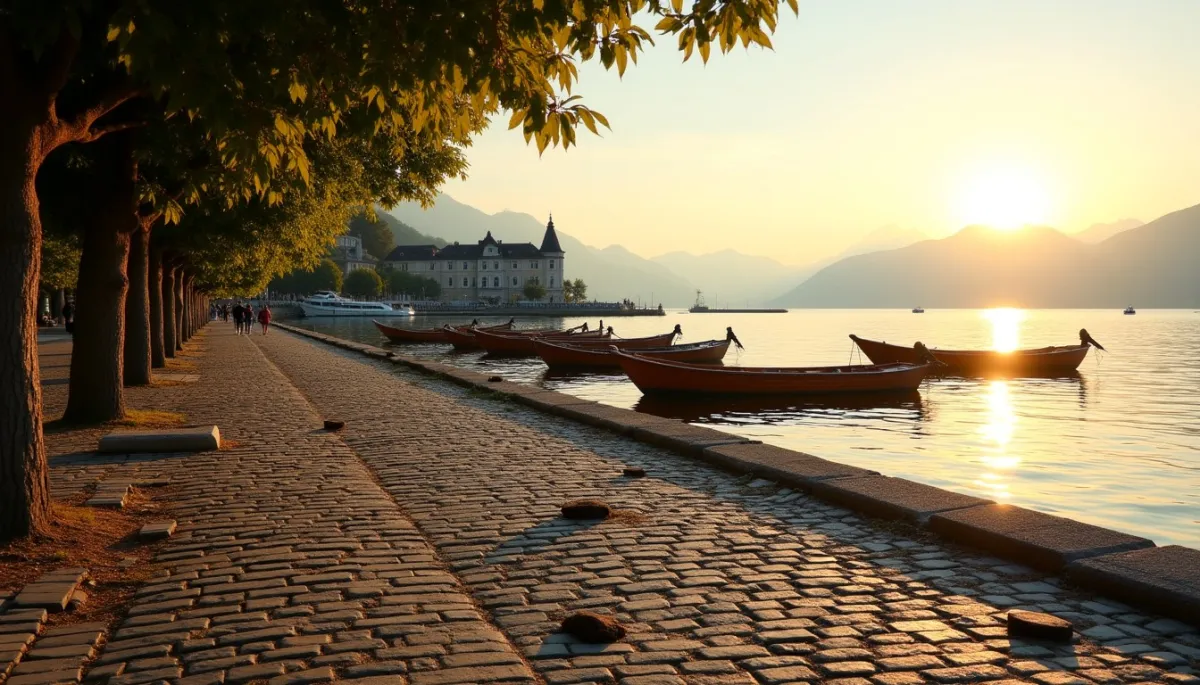
By the promenades
The visible consequence of the craft movement is simple, it fills terraces. Since the 2010s, terraces facing Lake Geneva have seen a steady arrival of taprooms and small-batch labels, and weekends in Vevey, Montreux, Morges or Nyon now mix jazz, tourists and fresh hops aroma.
Customers come for a relaxed après-midi but stay for the stories: the brewer who started in a garage in 2012, the former winemaker who now ages stouts in old oak from Lavaux, the shared festivals that gather dozens of producers along the quai in summer.
This resurgence also changed retail. Local shops and wine merchants began dedicating shelves to craft beer, and farmers' markets often feature a brewer selling seasonal releases. The beer is no longer just a drink, it is a product of place.
Water and terroir
Why did brewers plant themselves by the lake? Partly for romance, and partly for resources. Lake Geneva provides a neutral, soft water base that many brewers value, and proximity to vineyards like Lavaux opens collaborations that are increasingly common.
Brewers experiment with local inputs: wheat from Vaud plains, chestnuts or spruce tips for seasonal ales, and barrel-aging in used barrels from nearby wineries. That crossover is not mere marketing, it produces measurable flavor shifts, bringing tannins and vinous notes into dark ales or sours.
Terminology helps here. ‘‘Craft beer’’ denotes small-scale, independent production emphasizing flavor and technique. ‘‘Microbrasserie’’ is the francophone equivalent, usually a brewery producing limited batches with local character. These labels guide curious tasters and promote terroir-driven innovation.
Tradition meets challenge
However, the boom is not without tension. While the number of Swiss breweries rose from a few dozen in the 1990s to more than a thousand in the 2010s and 2020s, growth brings questions about distribution, sustainability and identity.
Logistics are a challenge for lakeside microbreweries. Small producers must manage seasonal demand, refrigerated transport, and the cost of renting or adapting waterside spaces. Many choose partnerships with local bars and wine shops to maintain visibility without overstretching capacity.
Environmental responsibility is another front. Several brewers on the Riviera have adopted measures since 2018, like recycling spent grain with farmers, reducing water use in the mash, or sourcing malt and hops closer to home. Consumers increasingly reward those efforts with loyalty.
Routes and rituals
What to do if you want to taste this renewal? Start with a walk along the lake, checking taprooms in cities and villages. Book a Saturday tour in advance, many places welcome visitors between May and October, when experimental batches are most frequent.
Pairing tips are simple and local. Light lagers and pale ales go beautifully with filets de perche or fresh salads, while barrel-aged porters stand up to raclette or richer cheeses. Ask for a brewer's pour, a small tasting sample, so you can map the lake's flavour islands.
Finally, bring curiosity. Ask about yeast strains, ask how the water is treated, and taste with a notepad. The best souvenirs are not bottles, but stories about the person who brewed that beer, and a plan to return.
Thanks for reading, and don't forget, Enjoy Life Moments!