Jacques Mayol: the dolphin man who blended freediving, yoga and a fused love for the ocean
🚀 Key Takeaways
- Core concept : Breath, relaxation and the mammalian diving reflex as tools to extend freediving safely.
- Practical tip : Learn diaphragmatic breathing and never free-dive alone; train with a certified instructor.
- Did you know : Luc Besson's 1988 film The Big Blue was inspired by the rivalry and friendship between Jacques Mayol and Enzo Maiorca.
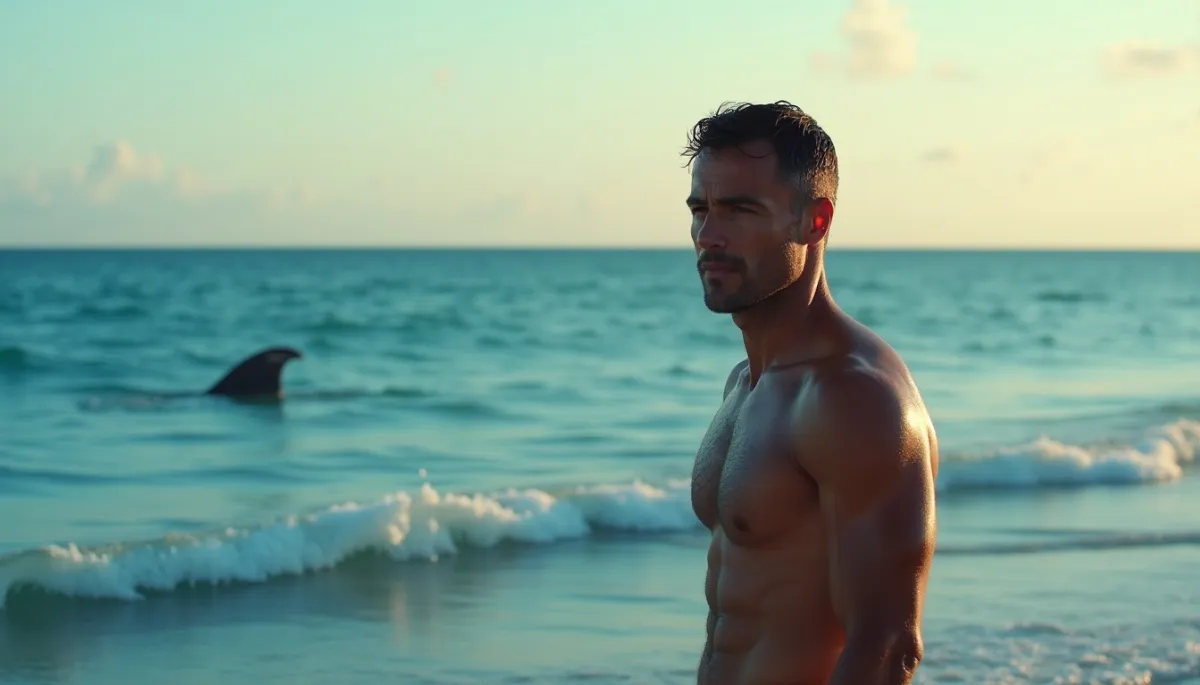
He looked like a dolphin on land. Imagine a slim man with sun-creased skin, standing at the edge of a cobalt sea, inhaling slowly until the world reduced to a single calm point.
le plongeur visible
Jacques Mayol was born on 1 April 1927 in Shanghai to an Italian family, and he died in December 2001 in Procida, Italy. His life reads like an odyssey across oceans and cultures, from childhood swims in the Far East to the Mediterranean freediving platforms that made him famous.
In the 1970s Mayol became a household name in the diving community by pushing human limits. In 1976 he famously crossed the symbolic barrier of 100 metres in apnea, an achievement that crowned decades of personal experiments combining physiology and psyche.
He authored several books and popularized the term Homo Delphinus, a metaphor for the human capacity to reconnect with aquatic instincts. His writing mixed memoir, technique, and philosophy, and helped frame freediving as more than sport: a way of inhabiting the body and sea.
souffle et science
Mayol was not just an athlete. He studied breathing techniques, yoga and meditation, and incorporated them into a methodical training. He drew on pranayama (yogic breath control) to lengthen breath-hold times and to master the mental calm necessary before a descent.
He also paid attention to physiology. The mammalian diving reflex (an automatic response in mammals that slows heart rate and redirects blood to vital organs) played a central role in his explanations. Mayol taught that relaxation, not brute force, triggers this reflex and allows deeper dives.
His friendship and rivalry with Italian diver Enzo Maiorca became legendary. Their public showdowns in the 1960s and 1970s pushed both men to new records, and their competing personalities fueled interest in freediving across Europe.
rituel et anecdotes
Mayol's pre-dive ritual could seem like theater. He practiced slow, diaphragmatic inhalations, visualization exercises and sometimes listened to classical music. He claimed that identifying with dolphins — their fluidity, their curiosity — helped him dissolve fear.
A widely told anecdote: during a record attempt, he reportedly stopped looking at the depth gauge and instead focused on the sound of his heartbeat, a technique to avoid panic and to trust the body's signals. This awareness-based approach influenced modern freediving instructors.
His life also intersected with culture. In 1988 Luc Besson released Le Grand Bleu (The Big Blue), a film inspired by Mayol and Maiorca. The movie popularized freediving imagery and romanticized the bond between diver and ocean, even as it fictionalized events.
ombre et héritage
Despite the glamour, Mayol's story includes contradictions. He championed peace with the sea, yet pursued records that exposed him to real danger. He celebrated solitude in the water, yet relied on teams and safety protocols to attempt extreme dives.
Mayol's death in December 2001 shocked the community and raised questions about the emotional toll of living at the edge. Today his legacy is mixed: admired for expanding human possibility, scrutinized for the personal costs of his pursuits.
Practically, modern freediving owes him a cultural and technical debt. Breath-work (including yoga-derived exercises), mental preparation, and respect for the mammalian diving reflex are now mainstream. Yet the community emphasizes safety more loudly, insisting on buddy systems and medical supervision.
For readers curious to try a piece of Mayol's practice: start on land with diaphragmatic breathing. Inhale slowly through the nose for four counts, expand the belly, hold a comfortable second, then exhale for six counts. Practice daily, and pair it with relaxation and equalization drills under supervision.
Mayol taught that the sea can teach patience, humility and a different rhythm of life. Whether you become a freediver or a weekend snorkeler, his invitation remains simple: slow down, breathe fully, and listen to the water.
Thanks for reading, and don't forget, Enjoy Life Moments!