Hyperbaric clinics and altitude spas: Switzerland’s luxe medical tourism for elite athletes
🚀 Key Takeaways
- Core concept : Swiss destinations combine hyperbaric oxygen therapy (HBOT) and altitude-focused treatments for fast recovery.
- Practical tip : Choose centers linked to certified sports-med teams and book multidisciplinary packages.
- Did you know : Lausanne, the Olympic capital, anchors a local ecosystem of sports science, hotels, and clinics.
Quiet intensity. Imagine a clean, dim chamber where a weary marathoner exhales, and the room fills with oxygen at slightly higher pressure.
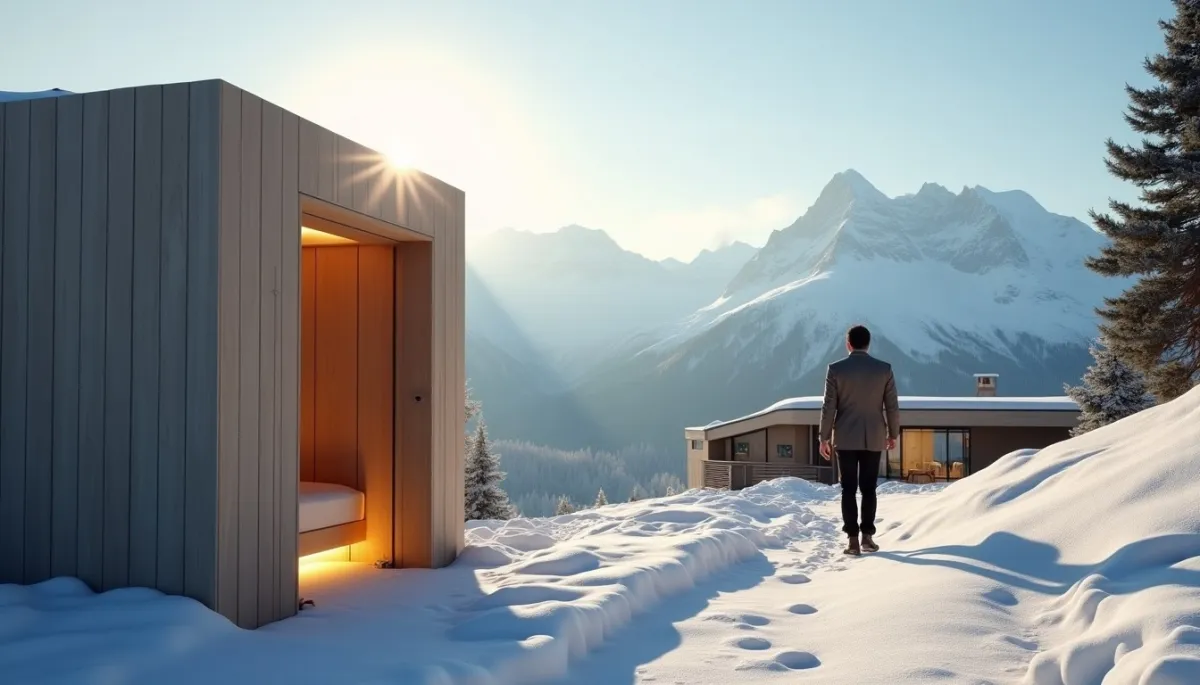
Outside, sunlight slants on the Alps. In the same valley, a boutique hotel offers an altitude spa suite where a skier acclimatizes in a normobaric hypoxia room, follows a cryotherapy session, and dines on a tailored anti-inflammatory menu. That itinerary, once niche and clinical, is now a luxury service pairing medical science with hospitality.
La nouvelle élégance
Across Switzerland, from Verbier to St. Moritz and the Lake Geneva shore, the travel pattern is clear: top athletes and their teams book short, intense stays focused on recovery and marginal gains.
Hyperbaric oxygen therapy (HBOT) has migrated from hospital wards to private suites. HBOT increases oxygen dissolved in blood under pressure, which can speed tissue repair and reduce inflammation (a complement, not a miracle cure).
Concurrently, altitude spas use hypoxic environments (simulated low oxygen) and actual mountain air to trigger hematological and metabolic adaptations. For endurance athletes, this can mean improved oxygen transport when combined with careful training.
Racines et moteurs
Why Switzerland? Geography is one answer. High-altitude resorts are world-class, and easy connections let teams combine training, recovery, and privacy. Lausanne provides institutional gravitas: the IOC and numerous sports-science labs foster partnerships between clinicians and hospitality groups.
Another driver is data. Sports medicine has matured: physiotherapists, nutritionists, and exercise physiologists now prescribe multimodal protocols. Wealthy athletes pay for integration — a single program that coordinates HBOT sessions, targeted physiotherapy, sleep optimization, and altitude exposure.
Luxury brands and clinics see commercial opportunity. Spa operators in the Alps now market medical-grade recovery as a lifestyle service. Packages are tailored: post-surgery rehabilitation for a tennis pro, or a week of altitude conditioning for a cycling team. Discretion, concierge logistics, and alliance with medical staff create the premium offer.
Nuances et limites
Evidence is real but measured. HBOT shows benefits in wound healing and certain inflammatory conditions, but its performance gains for healthy athletes remain debated. Altitude exposure helps when planned correctly, yet improper use can impair training adaptations.
Ethics and regulation matter. Anti-doping agencies monitor practices; any intervention affecting oxygen transport requires attention to rules. Clinics must be transparent and medically supervised, not simply marketed as performance shortcuts.
Finally, sustainability and accessibility are questions. Luxury medical tourism concentrates expertise but can deepen inequalities. There is also environmental impact from frequent flights and energy-intensive facilities at altitude, prompting some providers to explore low-carbon operations.
Conseils pratiques
If you consider such a stay, start with a sports physician. Verify the center’s medical certifications, and ask for a multidisciplinary plan that includes objective monitoring (blood markers, sleep, functional testing).
Plan logistics: altitude interventions require acclimatization and recovery time. Combine therapies prudently rather than stacking uncoordinated treatments. Use local expertise in Lausanne or with university-affiliated teams when possible.
For hoteliers and brands, the lesson is clear: invest in medical partnerships and measurable protocols. For athletes, the appeal is tangible — targeted recovery that respects privacy and time, in settings that make rest a ritual.
Thanks for reading, and don't forget, Enjoy Life Moments!