Healthy comfort food: recipes that warm the soul without weighing you down
🚀 Key Takeaways
- Concept clé : Comfort food saine allie nostalgie et ingrédients nutritifs.
- Conseil pratique : Remplacez la crème par du yaourt grec ou des purées de légumineuses.
- Le saviez-vous : Pendant la pandémie de 2020, la cuisine maison a explosé et a fait émerger des recettes réconfortantes revisitées.
Warm, familiar, soothing.
Imagine a small kitchen on a rainy evening, steam rising from a pot of turmeric chicken broth, a loaf of seeded bread cooling on the counter. The radio plays low jazz, someone texts a photo of their child's first pancake, and the scent of cinnamon pulls everyone toward the table. That feeling is the heart of comfort food, but in 2026 many of us want that warmth without the heavy aftereffects.
Saveurs qui apaisent
Comfort food speaks to memory, to family rituals and to the need for immediate wellbeing. Sociologists and food writers note that dishes like stews, porridges and casseroles are universal because they combine heat, fat and familiar textures, elements that the brain associates with safety.
Since 2020, as millions rediscovered home cooking during lockdowns, recipes that once were indulgent were rethought by home cooks and chefs. In 2018, Samin Nosrat popularized the idea that mastering Salt, Fat, Acid, Heat allows one to create joy in the kitchen with fewer processed ingredients, and that lesson has helped the light comfort movement.
Today, comfort still means richness of taste, but it often arrives via slow-cooked vegetables, legume-based sauces, and spice-led broths. These plates procure the same emotional effect without excessive saturated fat or ultra-processed elements, and they fit modern concerns about long term health.
Astuces et recettes
Start with swaps. Replace heavy cream with blended white beans or Greek yogurt, use roasted root vegetables instead of pure butter masala, and favor whole grains like barley or farro over refined pasta. These choices increase fiber and satiety while reducing caloric density.
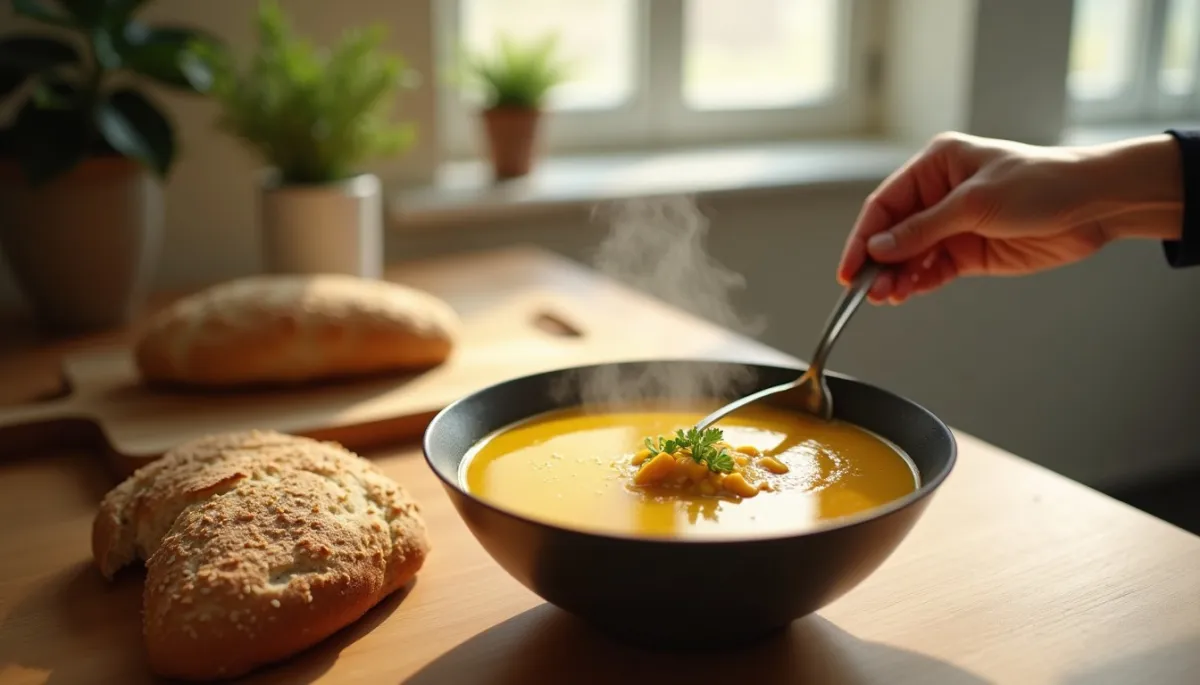
Here are three simple examples to try at home. Sweet potato mash with a swirl of Greek yogurt, lemon and chives. Lentil bolognese with finely chopped mushrooms, cooked slowly with tomatoes and a splash of red wine. Golden turmeric chicken soup with garlic, ginger, carrots and a squeeze of lime, finished with fresh cilantro.
Batch cooking works well. Make a big pot of bean and vegetable stew on Sunday, portion it and freeze single servings. Reheat slowly with a splash of broth to restore texture. This habit saves time and ensures you reach for a nourishing comfort option rather than an empty-calorie snack.
Les chiffres et les réalités
Data from the early 2020s shows a sustained interest in home-cooked meals. Google Trends registered a notable increase in searches for "easy recipes" and "comfort food" during 2020, and many food retailers reported stronger sales for pantry staples and spices. That momentum pushed creators to invent lighter renditions of classics.
Chefs like Yotam Ottolenghi have been influential by demonstrating that vegetables can be the star of a consoling dish, with layers of texture and fragrance. Health experts, including authors such as Michael Pollan, have long advocated for food made from whole ingredients, summed up by his often-quoted rule: "Eat food, not too much, mostly plants." This maxim resonates with the healthy comfort approach.
At the same time, cultural considerations matter. Comfort dishes vary by region. In Mexico, a lightened pozole with shredded chicken and hominy can be both soothing and balanced, while in Japan a bowl of ochazuke, rice with hot tea and simple toppings, proves how minimalism can heal the appetite and the mood.
Équilibre et plaisir
Why is this trend gaining traction now? People increasingly link food to emotional and long term health simultaneously. The desire to reduce inflammation, manage weight and improve sleep has made nutrition a partner of pleasure, not its enemy.
However, contradictions exist. The phrase "healthy comfort food" risks sounding like an oxymoron to purists who argue comfort must be indulgent. Marketing also sometimes co-opts the language to sell products that are not truly nourishing, such as processed items labeled "light" but full of additives.
The solution is practical literacy. Learn three reliable moves: boost fiber with legumes and whole grains, favor spices and aromatics to create depth of flavor, and use healthy fats like olive oil or nut butters moderately. These allow satisfaction without compromise.
Finally, try this tiny ritual: on dreary evenings, light a candle, put a pot of stock on to simmer with aromatics, and set a timer for 20 minutes. The act of tending to a pot creates calm and delivers a warm, wholesome bowl that restores both body and spirit.
Thanks for reading, and don't forget, Enjoy Life Moments!