From "Pok-Ta-Pok" to 2026: the sacred and astrological meaning of the Maya ballgame
🚀 Key Takeaways
- Key concept : The ballgame symbolized cosmic struggle and calendar cycles.
- Practical tip : Visit the Great Ball Court at Chichen Itza or Copán with a guide who knows the Popol Vuh.
- Did you know : Early evidence of ballgame practices dates back over three millennia, and the game appears in the Popol Vuh as a journey to the underworld.
Listen to the bounce. The sound still hangs in the shade of a Yucatecan ball court.
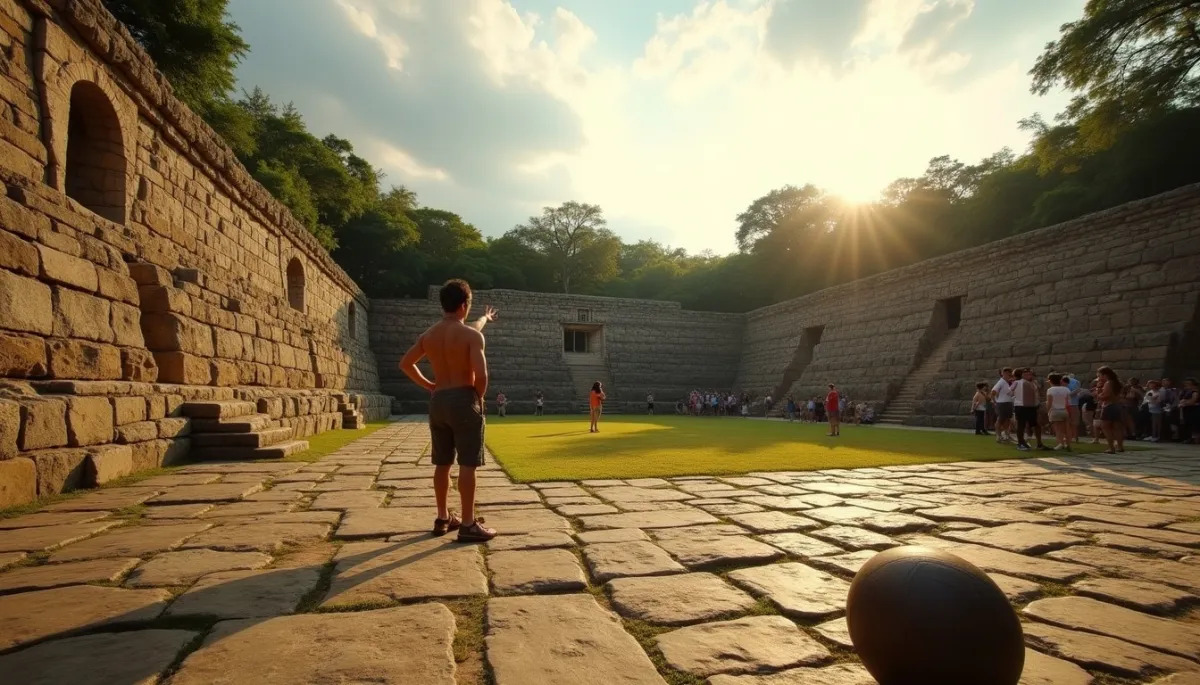
Imagine standing in Chichen Itza's Great Ball Court as the late afternoon sun slants between the high walls, tourists quiet, a guide recounting the tale of the Hero Twins from the Popol Vuh. Stone rings loom above, carved reliefs line the walls, and the scent of copal or passing rain brings an old story to life. You can almost see players in loincloths, the thud of a rubber ball, the ritual gravity of a match that was at once sport, drama and celestial script.
court as cosmos
The ballcourt was a miniature universe. Archaeologists and epigraphers interpret the I-shaped court as an axis mundi, a place where heaven met underworld. The Hero Twins of the Popol Vuh, the K'iche' Maya epic compiled in the 16th century, play ball in Xibalba, the Maya underworld, and their game is a contest with death and renewal.
Stone yokes, hachas and palmas (ceremonial paraphernalia found across sites such as Chichen Itza, Copán and El Tajín) show that equipment had symbolic value beyond play. At Chichen Itza (Late Classic to Postclassic, roughly 9th–12th centuries CE) the Great Ball Court's scale and the paired rings suggest a ritual with cosmic implications, not mere leisure.
Dating pushes deeper. Archaeological traces of rubber balls and ballgame paraphernalia reach back more than two thousand years, and some sites in Mesoamerica suggest organized play as early as 1400–1000 BCE. Over centuries the ballgame absorbed local myths, political displays and astronomical knowledge.
calendar and sky
The Maya measured time with layered calendars (the 260-day tzolk'in, the 365-day haab' and the Long Count). The ballgame intersected these systems. Some inscriptions link matches to dates and rulers, tying ritual contests to prophecy and dynastic legitimacy.
Scholars have also proposed strong ties to Venus. The planet Venus, unpredictable in brightness and cycle, was central in Maya cosmology and warfare planning. Classic inscriptions and the Dresden Codex track Venus' 584-day cycle, and the ballgame's rhythm, a contest of limbs and fate, could stage the same celestial drama on earth.
By 2026, researchers continue to test these hypotheses. Interdisciplinary teams combine LIDAR surveys, epigraphy and archaeoastronomy to read courts as observatories and theaters, where launches of light and shadow at equinoxes amplified symbolism.
ritual and reality
When the Spanish arrived in the 16th century, chroniclers such as Diego de Landa recorded ritual games and condemned some practices, which complicates our sources. The Popol Vuh survived as a profound narrative that preserves indigenous cosmology and the role of ball-play as a mythic act.
There were real stakes. In some contexts the ballgame ended with sacrifice or captives' executions, while in others it served as a ritual dramatization of cosmic conflict without lethal outcome. The variability matters: the game was adaptable, a medium for local meanings across regions and eras.
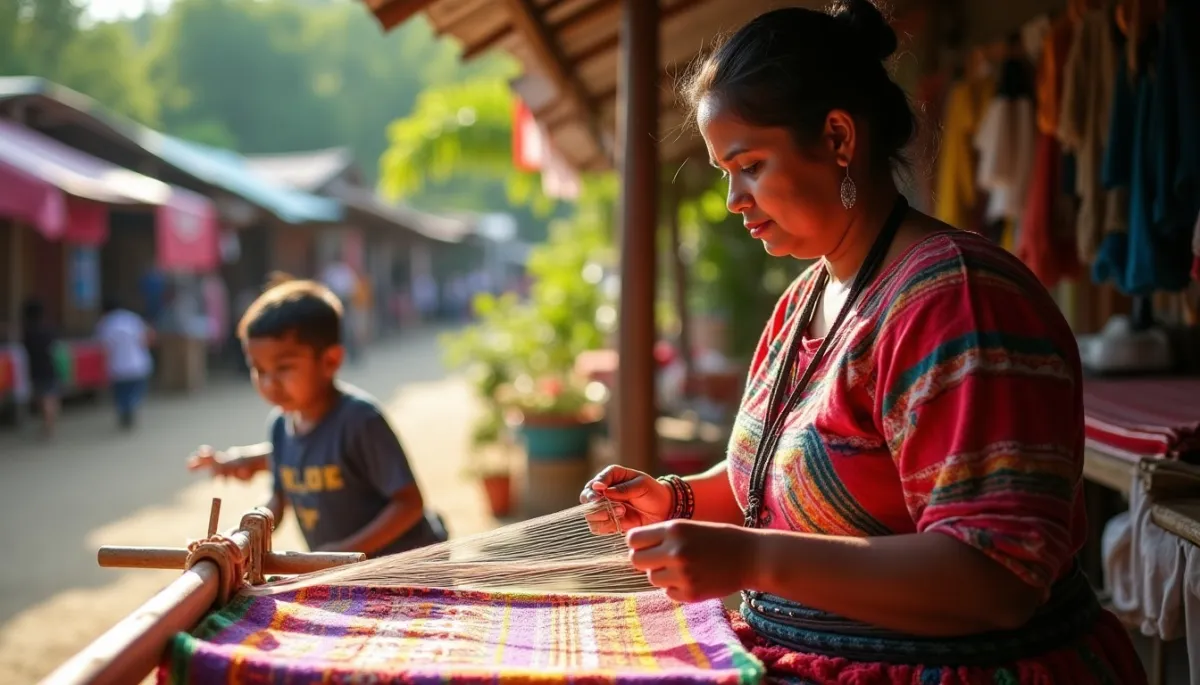
In contemporary Maya communities of the Yucatán and beyond, the ballgame lives in revived performance, educational projects and cultural festivals. In towns like Valladolid and Mérida, local groups and artisans keep making balls and yokes, while museums display Classic artifacts. Tourism in the Riviera Maya now includes interpretive tours that place the ballgame within living traditions.
between past and present
Why speak of 2026? The year marks renewed interest in ancestral cycles after the public debates of 2012 and ongoing efforts to integrate Maya voices into heritage management. Academics, local leaders and tourism operators increasingly emphasize cultural continuity rather than spectacle.
But tensions remain. Heritage tourism risks simplifying sacred narratives into photo moments. Conservationists worry about wear to monuments, while communities seek economic benefit and control over how stories are told. Projects that partner archaeologists with local Mayas yield the most resilient results.
If you go, prepare. Ask for guides from local communities, read the Popol Vuh beforehand to recognize names and motifs, and respect zones marked as sacred. Visit Chichen Itza early to see how sunrise light touches the court, and consider a quieter site like Ek' Balam or the ball court at Cobá, where scale and context offer different perspectives.
Thanks for reading, and don't forget, Enjoy Life Moments!