From favela child to virtuoso: the magical journey of João Carlos Martins
🚀 Key Takeaways
- Core idea : Talent, hard work and reinvention can transform adversity into purpose.
- Practical tip : Seek local music schools or youth orchestras to get involved; small donations and volunteer time make a difference.
- Did you know : Martins became internationally known for his Bach interpretations in the 1960s, and later devoted himself to conducting and education.
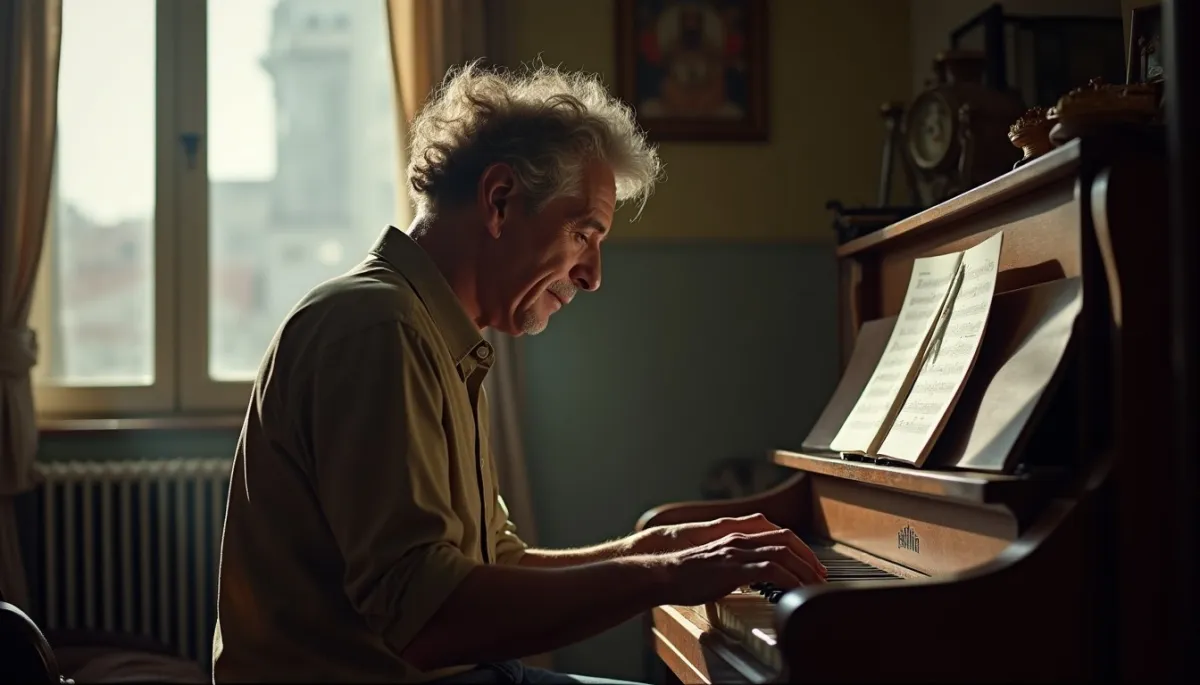
Music often feels like a miracle. Imagine a young boy sitting at an old upright piano in a crowded São Paulo apartment, the sunlight striking dust above his fingers as a Bach prelude unfurls.
Un prodigy in concert
João Carlos Martins, born in São Paulo in 1940, quickly revealed a rare musical gift. By his teens he was already playing with a maturity that drew attention from teachers and critics.
During the 1960s he established an international reputation as a pianist, particularly for his interpretations of Johann Sebastian Bach. Recordings and tours brought him to concert halls in Europe and the United States, where audiences praised his clarity, rhythmic vitality and poetic drive.
Critics described his Bach as both faithful to the score and infused with a personal energy. That mix made him a reference for listeners discovering baroque repertoire through a modern sensibility.
Turns of fate
Martins's trajectory was not linear. From the late 1960s and into the 1970s he faced medical and physical setbacks. Repeated injuries to his hands and later incidents curtailed his career as a touring soloist.
Rather than withdraw, he reinvented himself. He embraced conducting, a role that allowed him to shape sound and interpretation without relying exclusively on nimble fingers. He directed ensembles dedicated to Bach and to Brazilian repertoire, and became a passionate advocate for music education.
His personal story of recovery included countless hours of physiotherapy, creative practice methods, and collaborations with instrument makers and therapists. The message was clear: technique can fail, but musical intelligence and leadership can find new outlets.
Music as practice
Martins's later years have been marked by a double vocation: artistic leadership and social commitment. He launched initiatives and youth projects in São Paulo to bring classical training to children from underserved neighborhoods.
These programs are pragmatic. They teach musical skills, yes, but also discipline, teamwork and confidence. Former participants often point to orchestral rehearsal as a turning point in their education and life choices.
For readers inspired by this story, start small: attend a rehearsal open to the public, sponsor a lesson, or simply introduce a child to simple piano pieces. Music is a social force as much as an aesthetic one.
Thanks for reading, and don't forget, Enjoy Life Moments!