Architectures of the extreme: bespoke sanctuaries to preserve players' privacy
🚀 Key Takeaways
- Core concept : Ultra-private homes tailored to athletes and celebrities.
- Practical tip : Use layered landscaping and biometric access for real privacy.
- Did you know : Gated estates like La Zagaleta are global magnets for players seeking anonymity.
A hush falls when the motorcade arrives.
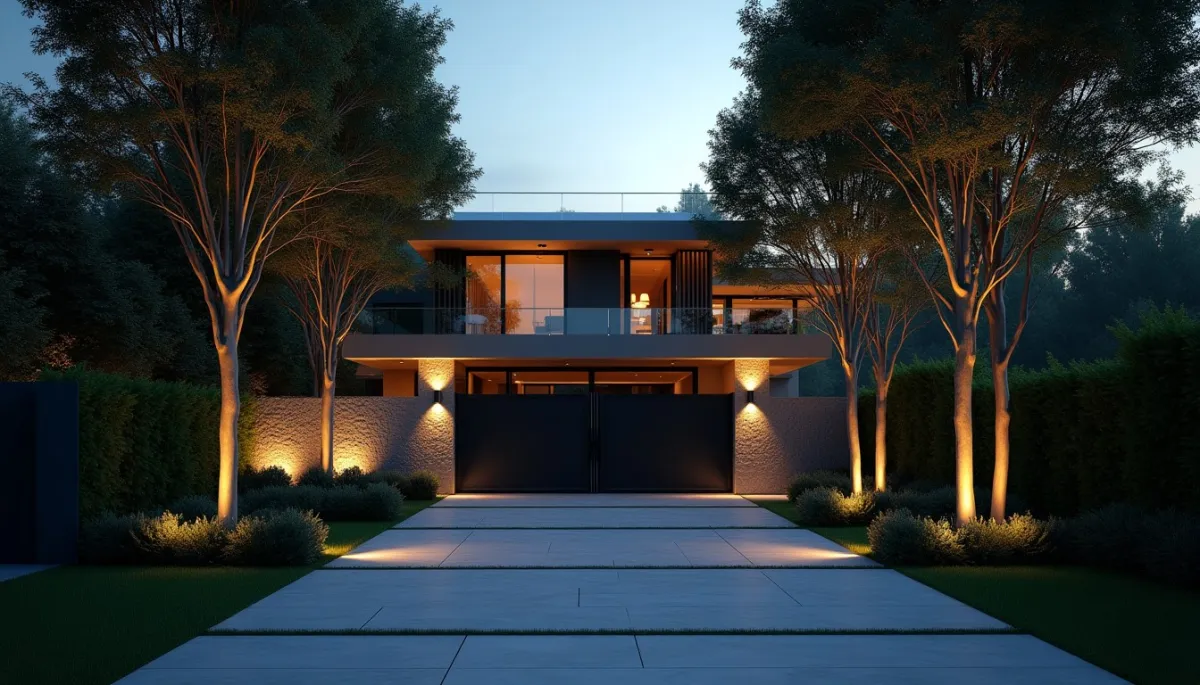
Night, cypress silhouettes and a long, tree-lined drive. Security gates whisper open and a villa slides back into the dark, its external lights dimmed by automated systems. Inside, a training court, a studio optimized for streaming, and a private elevator to an underground garage await. This is not fiction, it is the everyday arrival at the bespoke sanctuaries increasingly built for professional players.
Refuges invisibles
Privacy has become an architectural brief. Across Marbella, Beverly Hills and select English counties, developers and architects craft compounds that read as landscapes first, houses second. High walls are paired with soft earth mounds, olive groves and remote access roads to break sightlines.
Examples are tangible. La Zagaleta in Spain, gated enclaves on Miami Beach, and exclusive plots along the Cote d'Azur host villas that hide more than they reveal. In major leagues, clubs sometimes subsidize nearby rentals with similar security features for incoming players.
Demand is measurable. Reports from international real estate consultancies indicate a sustained appetite among ultra-high-net-worth individuals for secure, private properties with concierge services. Architects answer with pavilions, separated volumes and guest houses that preserve personal routines away from public view.
Architecture intime
The technical vocabulary matters. Faraday rooms (spaces shielded from electronic signals) and biometric entry points are no longer purely military; they integrate elegantly into residential design. Acoustic insulation and negative sightline planning keep drones and paparazzi at bay.
Spatial strategies prioritize autonomy. Open-plan social areas face internal courtyards, while service corridors and dedicated staff wings prevent circulation overlap. Subterranean solutions host garages, gyms and media centers, lowering the home's visual footprint.
Designers also consider mental privacy. Separate 'decompression' pavilions, gardens with scented plantings and controlled daylighting help athletes recover mentally, not only physically. These choices affect performance, which explains why teams and agents invest in bespoke housing.
Risques et évolutions
Yet the trend creates tensions. Concentrations of private fortresses reshape local communities, inflate land prices and trigger debates about exclusion. Neighbourhoods can become patchworks of public-facing facades and impenetrable enclaves.
Technological arms races are another issue. As security tech advances, so do means to bypass it. Architects answer with layered privacy, where landscaping, access control and legal ownership structures work together.
For players and their advisors, the practical advice is clear: combine physical buffers, soundproofing and legal protections (trusts, nominee ownership), and choose architects experienced in discreet luxury. The result is less a bunker and more a sanctuary, calibrated to let talent breathe away from the spotlight.
Thanks for reading, and don't forget, Enjoy Life Moments!