Experiential luxury: why paying for emotion matters more than buying an object
🚀 Key Takeaways
- Core idea : Luxury experiences sell emotional value rather than objects.
- Practical tip : Choose experiences that offer personalization, rarity and local authenticity.
- Did you know : Leading hotels and maisons now partner with artists, chefs and scientists to design one-off moments.
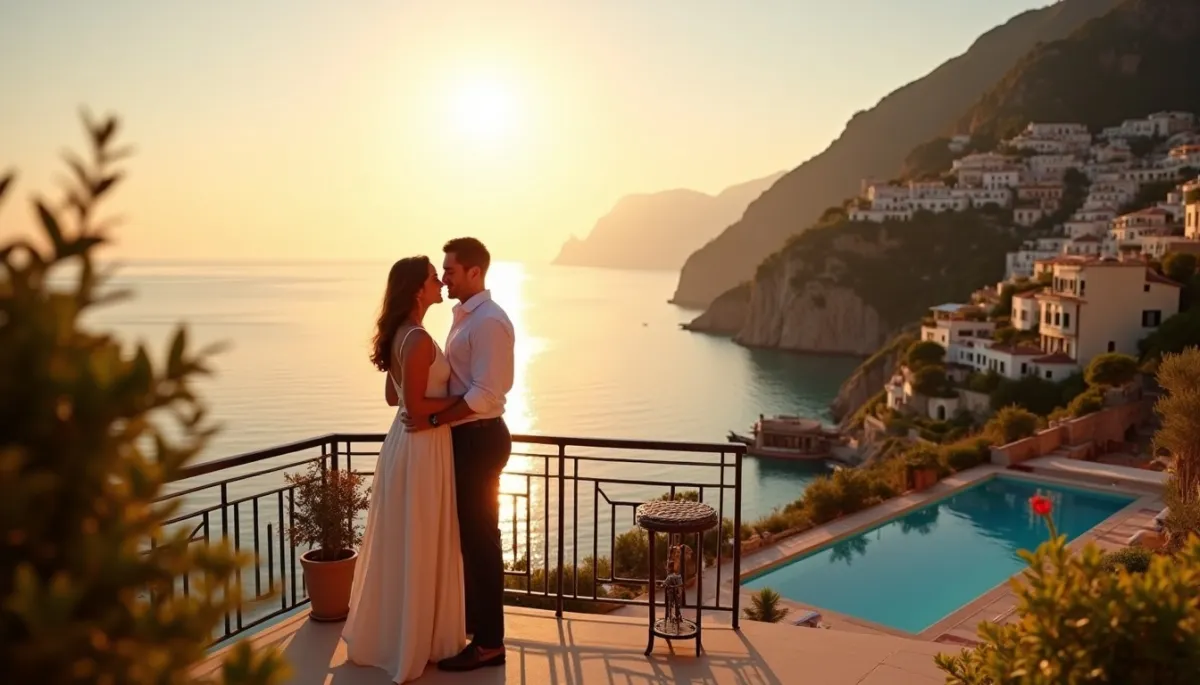
Close your eyes. Imagine an empty villa on the Amalfi Coast at sunrise, a private chef arriving with sea-salty citrus, and a small wooden boat waiting to take you to a hidden cove.
The taste of the moment
Luxury has shifted from possession to participation. Where once a trophy watch or a signature bag proved status, today a curated trip, a chef’s table, or a private atelier visit functions as social capital.
Global operators illustrate the point: Belmond’s Venice Simplon-Orient-Express sells not just train tickets, but a narrative of time travel; Aman and Six Senses build wellness retreats where architecture, sleep consultants and local rituals create measurable emotional impact.
Data and market signals back this: younger cohorts repeatedly declare a preference for experiences over goods. Travel and hospitality segments linked to high-end consumption have grown faster than many product categories, as maisons diversify into restaurants, resorts and curated events.
Roots and desires
Why this change now? The answer mixes demographics, technology and social psychology. Millennials and Gen Z value authentic stories and shareable moments; they spend on what generates memories and social resonance.
The pandemic accelerated the trend. Restricted travel made exclusive escapes desirable, and when journeys resumed, buyers sought meaning, privacy and personalization. Brands responded by designing rites: private dinners with legacy chefs, bespoke vineyard harvests, or handcrafted pieces revealed in a single-session atelier (a format made famous by Hermès workshops).
Another driver is 'phygital' (physical + digital). Luxury brands use virtual previews, NFTs for access, or personalized apps to amplify an experience before and after the event, turning a single night into a lasting relationship.
Tensions and limits
Not everything labeled "experience" is worthy of the price. Commodification is a risk when brands scale rituals into packages that lose nuance. A sunset dip becomes less special if it can be booked en masse via a platform.
Sustainability raises questions. Ultra-exclusive travel can conflict with climate concerns. In response, some players—like Six Senses and smaller ateliers in Kyoto—focus on local sourcing, limiting guest numbers and reinvesting in communities to justify the premium.
Finally, the emotional economy favors authenticity. Consumers detect staged authenticity. The most successful offerings are those that connect to place, craft and people: a winemaker who invites you to pick grapes, a couturier who shows the sweat behind a seam, or a guide who shares a city’s hidden prayers at dawn.
How to choose wisely
Seek personalization. The best experiences adapt to your story: dietary needs, memory triggers, ephemeral moments tied to dates or life events.
Look for scarcity and craft. Limited access, local artisans, or once-only performances create value that cannot be replicated by a shop window.
Consider long-term value. An experience that teaches a skill, introduces you to a network, or creates a family memory often returns more satisfaction than a new object.
Thanks for reading, and don't forget, Enjoy Life Moments!