Emotional dependence: how to love wildly without losing yourself
🚀 Key Takeaways
- Core concept : Emotional dependence is attachment anxiety that can coexist with deep love.
- Practical tip : Build a small daily ritual to reinforce autonomy while connecting.
- Did you know : Attachment science started with John Bowlby and Mary Ainsworth, and it still shapes modern therapy.
Love can burn like a comet, bright and consuming.
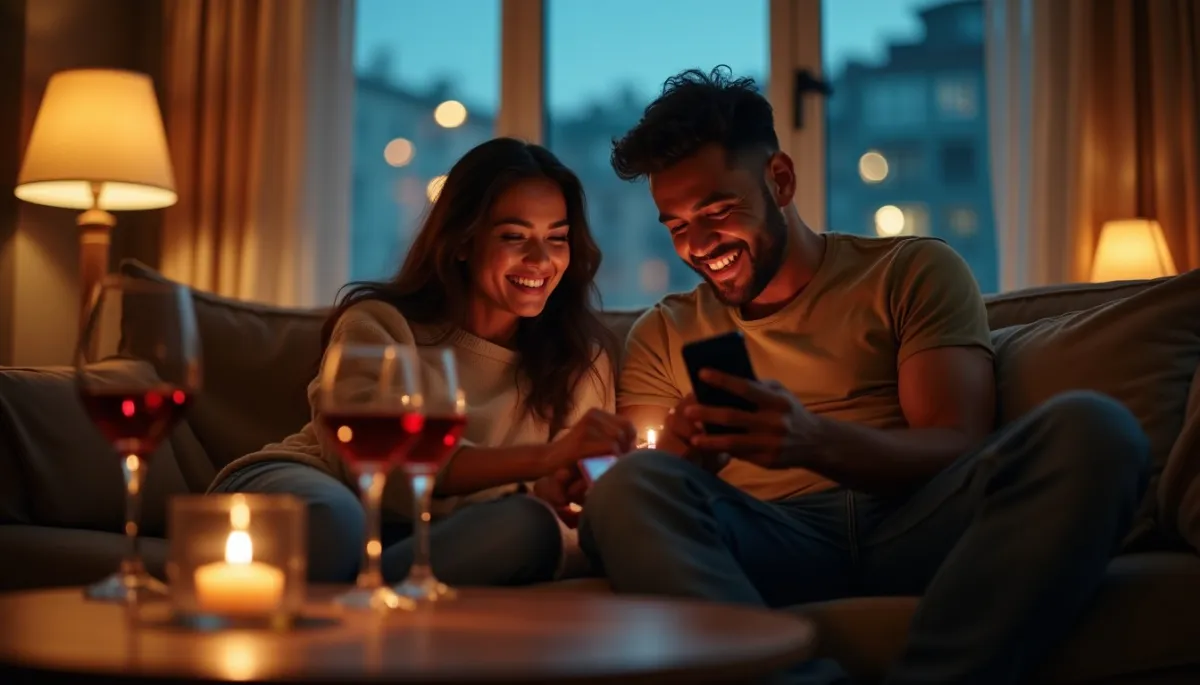
Picture a late evening in a small Brooklyn apartment, two people on the sofa scrolling messages together yet each secretly refreshing their ex's profile, a glass of wine cooling on the table. The room is warm, the city distant, and beneath the laughter a taut thread of need vibrates. That tension, that whisper of "Am I enough?" is where emotional dependence takes root, and it affects millions from Madrid terraces to Tokyo cafés.
When love tightens
Emotional dependence appears when attachment needs overshadow personal boundaries. It looks like constant reassurance seeking, jealousy disproportionate to reality, or difficulty being alone. Partners may feel flattered at first, then overwhelmed.
Researchers of attachment styles describe a spectrum. People with anxious attachment tend to interpret small silences as threats, and in couples this can set cycles of clinginess and withdrawal. A study review suggests that around a quarter of adults report high attachment anxiety, though prevalence varies with age and culture.
Real-life consequences go beyond arguments. Work performance, sleep, and friendships suffer. In Paris, therapists see clients who cancel plans with friends to avoid upsetting a partner. In long-term relationships, chronic dependence can erode mutual respect, because one partner takes on an emotional caregiver role that breeds resentment.
Where it begins
Origins are mixed. Early bonds shape later expectations. John Bowlby highlighted the importance of secure base experiences in childhood, and Mary Ainsworth documented patterns of attachment that persist into adulthood. But upbringing is not destiny.
Modern factors amplify the issue. Social media creates a constant feedback loop, where likes and messages become currency for self-worth. Dating apps encourage rapid emotional investment, and remote work blurs the boundaries between solitude and company. Cultural myths about romantic completion still sell the idea that another person will fix what we lack.
Personal history matters too. Past betrayals, breakups, or family instability can prime someone to hypervigilantly protect relationships. Yet, many people develop dependence after a long period of independence, for example following a traumatic event that reshuffles their inner safety map.
Learning to love freely
Freedom and passion are compatible. The first practical step is awareness. Track moments when you seek reassurance, and name the emotion without judgment. This practice creates distance and choice.
Therapeutic tools are concrete. Cognitive behavioral techniques help reframe catastrophic thoughts. Emotionally focused therapy works with couples to rewrite negative interaction patterns. For many, a simple exercise helps: schedule a short, independent activity daily, such as a solo walk in a nearby park, a call with a friend in another city, or 20 minutes of journaling.
Boundaries are not walls. Saying "I need an hour to myself" is an act of care for both partners. Healthy rituals strengthen intimacy: nightly check-ins that are timed, mutual hobbies, and agreements about digital boundaries. Anecdotes from therapists in Madrid to New York show couples who rediscovered desire after restoring separate interests.
When to seek help. If anxiety leads to controlling behavior, substance use, or depressive symptoms, professional help is warranted. Group therapy and attachment-based coaching are effective routes. Remember, changing attachment habits takes time. Progress often looks like fewer panicked texts and more shared laughter.
In the end, love that thrives is not the one that consumes. It is the one that allows two lives to meet, to grow, and to keep their edges. You can love wildly, and carry yourself fully. That is the promise of mature attachment: a fierce intimacy, and freedom intact.
Thanks for reading, and don't forget, Enjoy Life Moments!