Canyons and white water: adrenaline in the clues of the Maralpine backcountry
🚀 Key Takeaways
- Core concept : Canyoning in the "clues" combines hiking, swimming, jumps and rappelling in narrow gorges.
- Practical tip : Best seasons are spring and early autumn; hire a local certified guide and check water levels.
- Did you know : The word "clue" comes from regional Romance (clusa), meaning a narrow, closed gorge.
Pure, immediate joy.
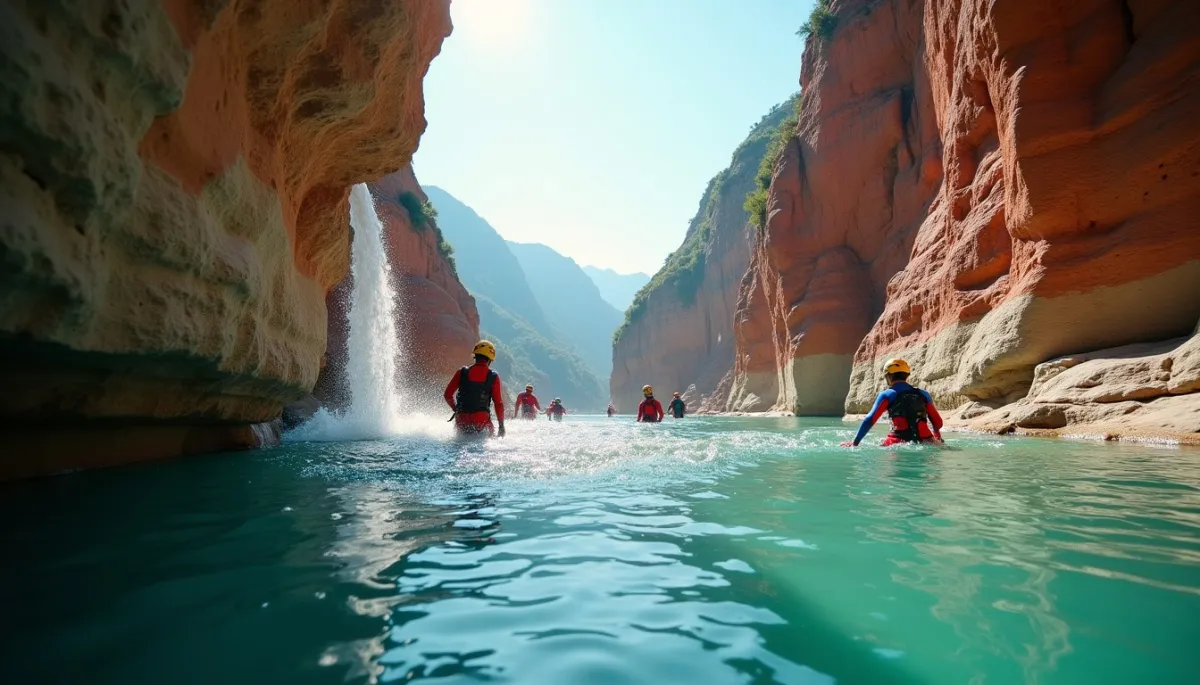
The sun breaks over the high ridge, and below, a ribbon of turquoise threads through walls of red schist and white limestone. A group tightens helmets, checks harnesses and laughs nervously. One by one they lower themselves on a single rope into a shaded pool; the echo of dripping water fills the cliff. This is a canyon in the Maralpine hinterland, a place where the coast's glamour gives way to geological time and wild, wet fun.
Waters that shape
Canyoning has become a defining outdoor activity in the Alpes-Maritimes since the late 20th century. Sites close to Nice and Cannes, such as the Gorges du Loup, the Gorges du Cians and the canyon networks around the Vésubie and Bendola valleys, attract locals and visitors looking for a day of adrenaline. The activity supports a growing local economy of guides, equipment hire shops and small guesthouses.
These clues are narrow, often shaded gorges where rivers concentrate energy. After heavy rain or in spring melt, flows swell and new routes open, making each descent unique. Local operators report that guided canyoning outings rise sharply in April to June, and again in September, when water is lively but temperatures are comfortable.
Beyond thrill, canyoning reveals geography. The Gorges du Cians and the Gorges de Daluis display red bedrock sculpted by millennia of erosion. Walking and abseiling through these cuts gives a visceral sense of geological time, an education wrapped in action.
Roots and reasons
Why turn from beaches to gorges? First, proximity. From Nice airport, many popular canyons are within 60 to 90 minutes by car. That accessibility makes canyoning an excellent day trip for couples and small groups seeking shared experiences beyond sunbathing.
Second, human curiosity and sport. The techniques evolved from mountaineering and river sports in the 1970s and 1980s, and the growth of specialized neoprene, ropes and harnesses made descents safer and more accessible. Today certified guides (look for BPJEPS or affiliated badges) craft routes for beginners and advanced participants.
Finally, environmental awareness plays a role. Locals, town councils and natural parks have promoted low-impact tourism to preserve fragile habitats. Some sectors fall under Natura 2000 or local protection rules, which influence when and how canyons can be used.
Risk and respect
Canyoning is thrilling, but not without contradictions. Crowding in July and August stresses popular sites. Unexpected storms can raise water quickly, turning a calm pool into a forceful current. For this reason, many operators refuse bookings in unstable weather and prefer morning departures.
Safety is paramount. Practical advice: check recent rainfall and river levels, wear at least a 3mm neoprene suit when water is cold, always use a certified guide for technical sections, and agree on the group's ability beforehand. Difficulty scales vary by operator, so ask whether a route is considered "initiation" or "expert".
Respect the environment. Avoid altering the rock with bolts or anchors unless the guide is authorized, take all waste back to the car, and watch for protected species like salamanders in shaded pools. Booking through local companies helps the community and encourages stewardship.
Thanks for reading, and don't forget, Enjoy Life Moments!