Brunello Cucinelli and humanist capitalism: the Solomeo miracle
🚀 Key Takeaways
- Core concept : Profitable business with human dignity at its center.
- Practical tip : Visit Solomeo to see craftsmanship and restored heritage first-hand.
- Did you know : The brand grew from artisanal cashmere knits to a global luxury house while investing in local culture.
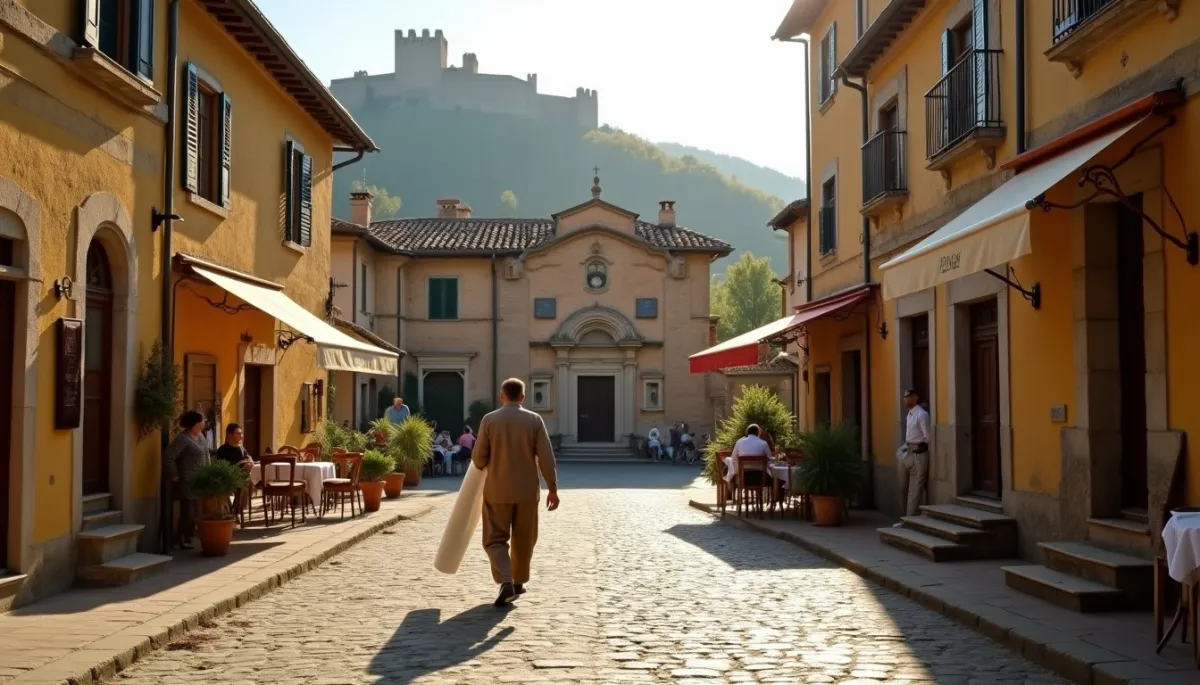
There is poetry in stone and cashmere. Imagine walking a narrow cobbled street, past restored medieval facades, toward a small theater where artisans hang their coats after a day of work.
A living village
Solomeo, near Perugia in Umbria, is not a museum. It is a functioning village where the pulse of a luxury business meets everyday life.
The restored castle, the tiny piazza, the municipal theater and a cluster of workshops are all part of a deliberate project to weave economic activity into local culture. Tourists arrive for the atmosphere, but they also find tailors, pattern makers and knitters at work.
For visitors who expect a corporate campus, the surprise is the ordinary: kids playing, local cafes, seasonal markets. That ordinary life is exactly what the project preserves while adding a layer of artisanal excellence.
From craft to company
The company began as a small cashmere workshop and has become an international reference for understated luxury. The route from artisanal beginnings to a publicly traded firm required scaling production while keeping craft values intact.
Key consequences are visible: jobs for skilled artisans, a local supply chain anchored in Italy, and a brand identity that sells not only product but place and purpose. Revenues are in the high hundreds of millions annually, and the firm employs thousands worldwide, yet Solomeo remains the symbolic heart.
Economic benefits ripple beyond factory walls. Local hospitality, craft schools and small suppliers gain orders and attention. The village attracts cultural tourism, which supports restaurants and small shops that would otherwise have struggled in a depopulating region.
A humanist vision
Brunello Cucinelli’s public message is simple: profit and purpose can coexist. He frames business as a human activity that must respect dignity, beauty and social responsibility.
Practically, this translated into investment in architecture and cultural spaces, into training programs for young craftsmen, and into management choices that favor long-term employment stability over short-term cuts. He also created a foundation to finance cultural and educational initiatives tied to the territory.
That approach resonates today with consumers who expect transparency and meaning from luxury brands. It also offers a managerial language for executives seeking to balance shareholder returns and social commitments.
Methods and rituals
Solomeo’s restorations were not decorative gestures. Workshops were designed to be humane: light-filled rooms, ergonomically conscious benches, and spaces that encourage cross-disciplinary encounters between designers and makers.
Hiring practices favor local recruitment and vocational training. The company invested in apprenticeships to pass on knitwear mastery that is hard to automate. The aim is to protect know-how and give workers agency in a skilled profession.
Brands that want to emulate this model should start small: map local skills, fund training, and restore or repurpose existing buildings rather than importing generic campuses.
Doubts and challenges
No model is immune to tensions. Luxury brands face pressures of scale, competition, and the expectation of continuous growth from financial markets.
Critics point out contradictions: how to reconcile exclusivity with broader social impact, and how to ensure that cultural restoration does not simply become a backdrop for marketing. There is also the risk of dependence on a single founder’s personality and values.
Looking ahead, the challenge is institutionalization: embedding humanist practices into governance, supply chains and corporate bylaws so they persist beyond one leader. Transparency, third-party audits and community governance can help.
Practical takeaways
If you plan a trip to Umbria, make time for Solomeo. Walk the lanes, visit a workshop, join a guided tour when offered, and support local cafés and bookshops.
For entrepreneurs, the lesson is concrete: invest in the place where your people live. Restored public spaces and training yield returns in loyalty, quality and brand story that sophisticated customers value.
For managers, convert rhetoric into metrics: track skills transferred, time-in-service, and community investment per employee. Those figures make humanist claims operational and defensible.
Thanks for reading, and don't forget, Enjoy Life Moments!