Botanical mocktails: when alcohol-free aperitifs become a sophisticated, healthy ritual
🚀 Key Takeaways
- Concept clé : Botanical mocktails blend herbs, flowers and non-alcoholic bases to recreate cocktail complexity.
- Practical tip : Use shrubs (fruit-vinegar syrups) and tinctures to add depth, and balance acid, sweet and bitter.
- Did you know : The non-alcoholic spirits category saw rapid growth in 2021-2023, driven by younger consumers and health trends.
Sip slowly.
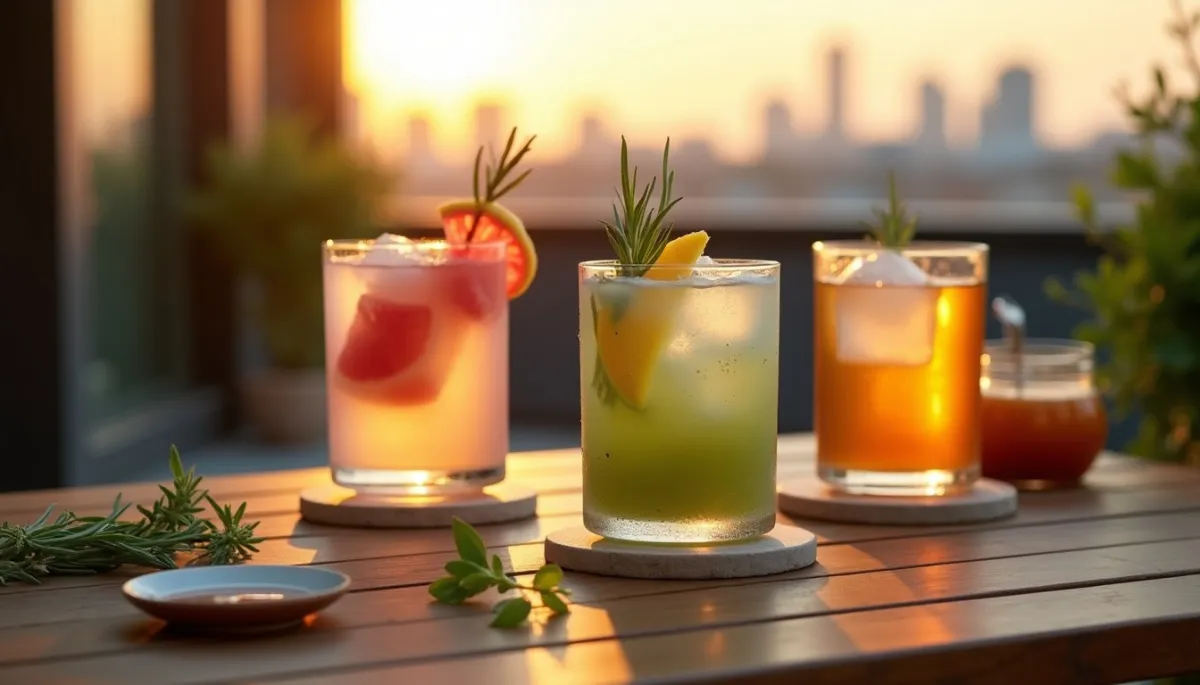
Imagine a warm evening on a terrace in Lisbon, a glass filled with pale liquid rimmed by crushed rosemary and a thin wheel of grapefruit. Conversation flows, but the mood is clear: celebration without the fog. That scene repeats now in restaurants from São Paulo to Seoul, where bartenders craft layered, aromatic drinks without a drop of alcohol.
A new ritual
Mocktails are no longer child's play or simple sodas dressed up. Since the late 2010s, and especially after 2020, bartenders and consumers have invested creativity and technique into alcohol-free aperitifs. In 2022-2023 market reports, non-alcoholic spirits and premixed mocktails showed double-digit growth, reflecting a shift in social drinking habits (sources: industry analyses, city bar surveys).
Urban venues launched sober bars and dedicated menus. Events like "Sober October" (started in the UK) and wellness movements pushed mindful drinking into mainstream life. In cities such as London, New York and Copenhagen, specialized bars began serving botanical-forward drinks that prioritize aroma, mouthfeel and ritual.
On a practical level, the mocktail movement asks a simple question: how do we preserve the convivial ritual of the aperitif while removing alcohol's effects? The answer lies in technique, ingredients and storytelling, not only in substitution.
Roots of flavor
Botanicals are the building blocks. Think elderflower (Sambucus nigra), hibiscus, yuzu, bergamot, lavender, rosemary and basil. Each offers aroma compounds that mimic the complexity usually provided by spirits. Bartenders use infusions, distillations (through non-alcoholic techniques), shrub syrups (fruit and vinegar reductions), and housemade bitters or tinctures to layer flavors.
Some techniques come from culinary history. Shrubs date back to colonial America and 17th century merchant trade; they were preserved fruit syrups in vinegar, later used as refreshing cordials. Today, chefs and mixologists revive shrubs to add acidity and preservation to mocktails, while maintaining a bright, food-friendly flavor.
For foam and texture, aquafaba (chickpea cooking liquid) has entered the bar kit, replacing egg white in vegan recipes. Small additions like saline solution (a pinch of salt) elevate perception of aroma, a trick known in gastronomy to enhance flavors.
Why now
Several forces converge. Health awareness grew after the pandemic, with more people limiting alcohol for sleep, focus or pregnancy. Younger consumers, notably Gen Z, drink less alcohol on average than previous generations, but still seek ritual and taste. The beverage industry responded with refined non-alcoholic spirits launched by established brands and independents between 2019 and 2023.
At the same time, sustainability and local sourcing matter. Botanical mocktails allow bars to highlight local herbs and seasonal fruits, reducing reliance on imported spirits and celebrating terroir. Restaurants and producers in regions like Provence, Catalonia and California now collaborate to create signature non-alcoholic blends.
Finally, technology (better extraction methods, commercial non-alcoholic distillates) makes it possible to reproduce complex aromatic profiles without ethanol. This technical progress has legitimized mocktails as an expert craft.
Questions and limits
Mocktails face contradictions. Price expectations can be a barrier: creating shrubs, tinctures and slow infusions takes time, yet customers sometimes expect lower prices because there is no alcohol. Education is needed so consumers appreciate the labor and value.
Another challenge is social perception. In some cultures, abstaining is still seen as less celebratory. Bartenders combat this by offering dramatic service, theatrical garnishes and tableside rituals, turning a mocktail into a moment rather than a compromise.
Looking forward, expect hybrid experiences: alcohol-free bars, tasting menus that pair mocktails with small bites, and more collaboration between chefs and mixologists. The ritual of the aperitif adapts, preserving conviviality while expanding taste and wellness.
Practical recipe tip: make a simple shrub by simmering 200g chopped berries with 200g sugar until syrupy, cool, then mix with 200ml apple cider vinegar. Let rest 24 hours, strain, then adjust sugar or vinegar to taste. Use 30–45ml shrub in a mocktail, add carbonated water, a herb sprig and large ice cube.
Thanks for reading, and don't forget, Enjoy Life Moments!