Bormes-les-Mimosas: Provençal architecture meeting climate challenges
🚀 Key Takeaways
- Core concept : Provençal vernacular offers passive cooling assets.
- Practical tip : Visit in late winter to see mimosas, and learn from shaded alleyways.
- Did you know : Fort de Brégançon sits off Bormes, a reminder of landscape and climate links.
Sunlight filters through golden mimosas, and the village breathes history.
Imagine standing on a narrow rue in Bormes-les-Mimosas, stone walls warming beneath a February sun, terraces above patched terracotta roofs, and the sea glittering beyond the pines. The scent of resin and citrus, a breeze that carries salt and thyme, and gardeners pruning bougainvillea: the scene is timeless, yet the seasons are shifting faster than before.
Village mémoire
Rising temperatures and longer dry seasons are visible here, as in all of the Mediterranean. For residents of Bormes, heatwaves arrive earlier, and summers feel drier. The town's medieval core, perched on a hill above the sea, was built for a different climate but still stores useful lessons.
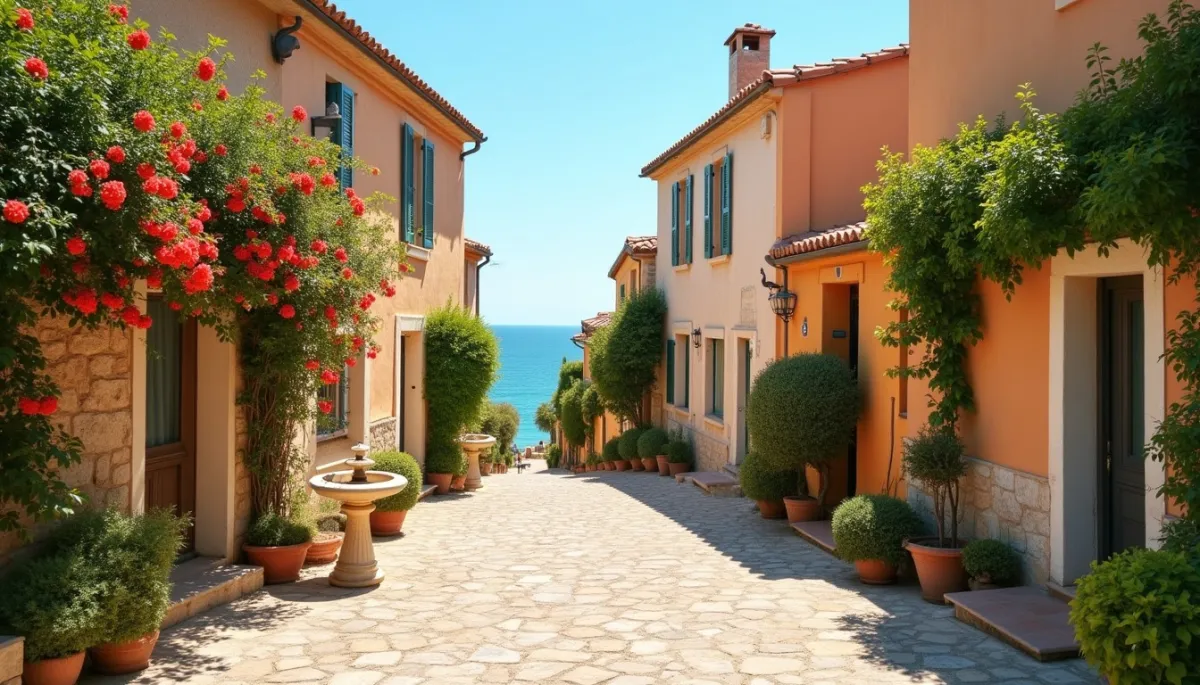
The Provençal house (maison provençale) traditionally uses thick stone walls, deep-set windows, and narrow shaded streets. These features reduce solar gain and moderate indoor temperature without electricity, a form of passive cooling practiced for centuries.
Yet the consequences are now amplified: vegetation stress, greater wildfire risk in the surrounding Massif des Maures, and pressure on water resources demand adaptations beyond heritage conservation. Town planners and homeowners must balance protection of the past with new resilience needs.
Racines et raisons
Why turn to vernacular architecture today? Because many original design choices already answer present challenges. Thick masonry (often local limestone or rubble stone) provides thermal mass, evening cooling, and fire resistance when maintained properly.
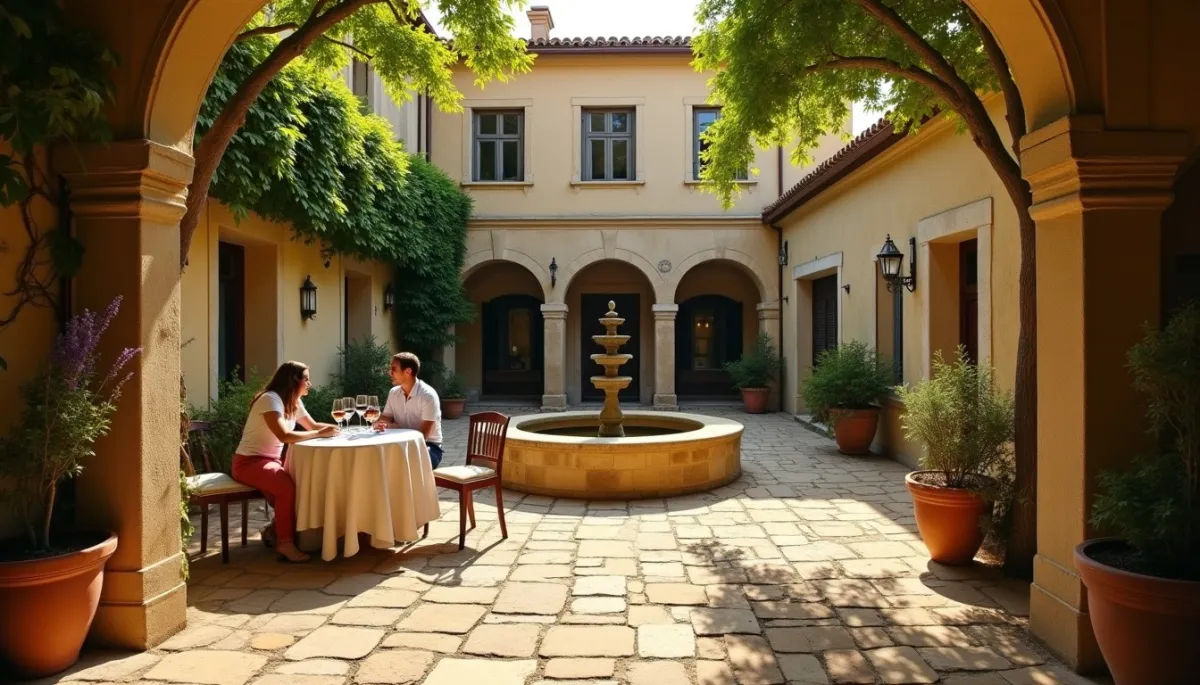
Historical elements such as shaded arcades, south-facing loggias with shutters, and cisterns for rainwater collection illustrate an empirical knowledge of climate management. In Bormes, small fountains and courtyards helped modulate temperatures and supply water in dry months.
Scientific backing arrived recently: Mediterranean regions warm faster than the global average, a trend highlighted by the IPCC reports of the 2010s and 2020s. That evidence pushes local actors to reuse traditional strategies while integrating modern techniques such as improved insulation, heat-reflective coatings, and water-saving systems.
Réinventer l'ancien
Transition is not simple. Conservation rules protect the visual character of Bormes, registered among "Les plus beaux villages de France," which limits visible changes to façades and roofs. Any intervention must respect aesthetics, complicating large-scale retrofits.
Practical contradictions appear: more glazing improves daylight but increases heat gain; adding solar panels can alter the silhouette of a historic roof. Local architects propose discreet solutions: solar tiles that mimic terracotta, internal shutters that combine security and insulation, and vines trained on pergolas to provide seasonal shade.
Community initiatives help bridge gaps. Several guesthouses and private mas (farmhouses) now use rainwater cisterns, drought-tolerant landscaping, and smart irrigation. The municipality has also invested in public fountains and shaded promenades, making outdoor life comfortable while reducing resource use.
Actions et anecdotes
Concrete examples bring these ideas to life. In the early 2020s, a small collective of mas owners in the surrounding hills installed shared cisterns to buffer summer scarcity, and documented water savings exceeding 30 percent in test years. Local gardeners report that replacing thirsty lawns with rosemary, lavender, and palm species reduced irrigation needs while keeping the Mediterranean palette.
Fort de Brégançon, visible from several points in Bormes, is a reminder of land and sea management. The fort's rocky outcrop resists erosion, yet rising sea temperatures and storms call for coordinated coastal planning across communes.
For visitors, simple practices matter: favor shaded routes through the village at midday, refill water bottles at public taps, and choose accommodations that use passive cooling. These small choices support sustainable tourism and respect local adaptations.
Vers demain
Bormes-les-Mimosas demonstrates that protecting heritage and preparing for climate change are complementary goals. The village remains a living laboratory where artisans, officials, and residents co-create solutions that honor form and function.
Future steps include mapping vulnerability at the parcel scale, encouraging incentives for retrofitting historic homes, and expanding urban greening to reduce heat islands. Collaboration with regional programs in Provence-Alpes-Côte d'Azur can bring technical support and funding.
Ultimately, the image of a shaded Provençal alley, fragrant and cool in a warming world, is not mere nostalgia. It is an invitation: learn from the past, adapt with care, and enjoy the Mediterranean with resilience and respect.
Thanks for reading, and don't forget, Enjoy Life Moments!