Why has the Riviera Maya become a wellness hotspot?
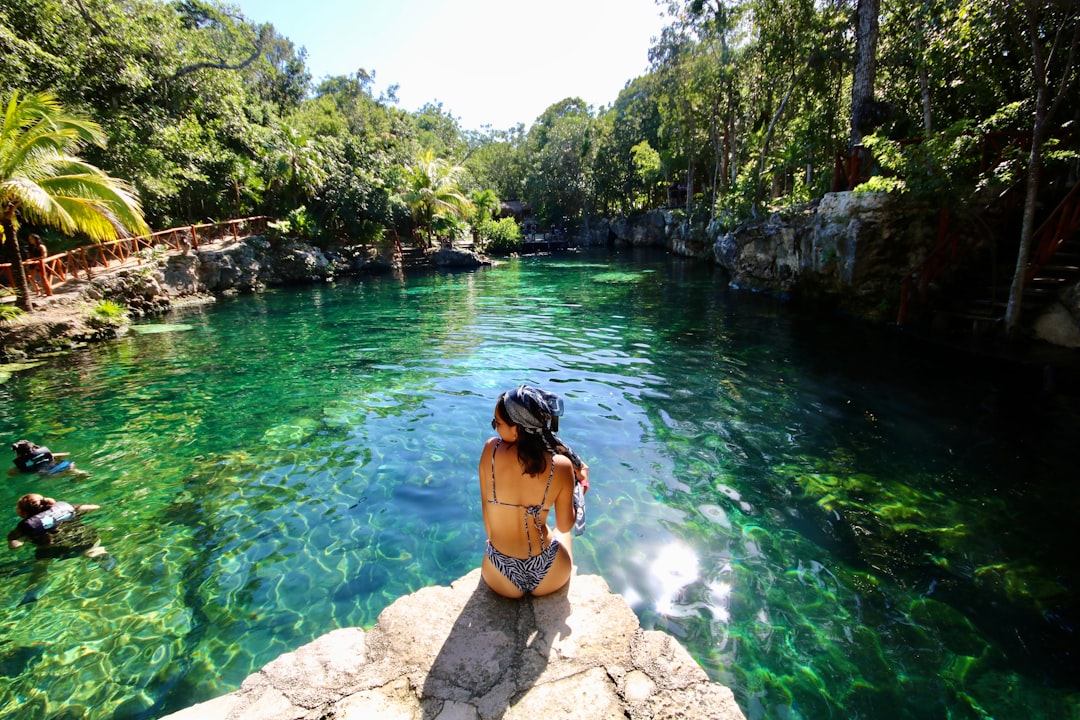
Stretching along Mexico's Yucatán Peninsula, the Riviera Maya is now synonymous with holistic travel: think cenote dips at dawn, plant-based menus in boutique hotels and ancestral Mayan therapies reinterpreted for modern guests. This shift is not accidental — it stems from a convergence of geography, culture and savvy investment.
In this report for Enjoy Life Moments, we unpack the reasons behind the Riviera Maya's wellness boom and offer practical insights for travelers, retreat planners and wellness investors seeking authentic experiences with measurable benefits.
Natural foundations: cenotes, coastlines and biodiversity
The region's landscape is a core pillar of its wellness appeal. Cenotes — freshwater sinkholes fed by underground rivers — provide mineral-rich bathing experiences that many visitors report as restorative for body and mind. Seaside cliffs, white-sand beaches and mangrove ecosystems create varied natural settings that support low-impact outdoor activities like kayaking, guided coastal walks and mindful beach yoga.
Beyond the visual allure, local biodiversity contributes to healing tourism: birdwatching, marine conservation snorkeling and guided nature therapy sessions (forest bathing-inspired) connect guests to restorative environments. In short, the Riviera Maya offers both dramatic scenery and scientifically supported green and blue spaces that promote health.
Cultural revival: Mayan wellness and ancestral practices
Another vital ingredient is the revival of Mayan healing traditions. Local healers, or 'curanderos', and community-run wellness centers have begun partnering with resorts and retreat organizers to offer ceremonies, medicinal plant workshops and temazcal (traditional sweat-lodge) sessions adapted for international guests. These experiences anchor modern wellness in a living cultural context, differentiating the Riviera Maya from generic spa destinations.
Tourists increasingly seek authenticity and meaning. When rituals and knowledge are presented respectfully and with local consent, they provide transformative experiences while supporting cultural preservation and local livelihoods. That ethical exchange is part of what makes the Riviera Maya attractive for conscious travelers.
Rise of boutique retreats and luxury wellness infrastructure
Private investment has followed demand: boutique hotels, plant-forward restaurants and specialized wellness centers proliferate across Tulum, Playa del Carmen and inland properties near Valladolid and Akumal. These venues emphasize personalized programming — from sleep coaching and medical wellness packages to integrative therapies combining physiotherapy, nutrition and mindfulness.
Major hotel brands have adapted by creating smaller, design-forward properties or partnering with local practitioners, while independent operators emphasize community ties and environmental standards. The result is a layered ecosystem where luxury and grassroots wellness coexist and feed one another.
Accessibility, safety and digital nomad culture
Improved flight connections, better regional infrastructure and a growing international community of remote workers have helped normalize longer stays. Travelers no longer see the Riviera Maya as a brief vacation spot but as a place for monthlong wellness resets or hybrid work-and-heal experiences.
Moreover, regional authorities and private stakeholders have invested in safety, health protocols and sustainable tourism certifications, making the area more attractive for health-conscious visitors who demand both convenience and reliability.
Sustainability and regenerative travel trends
Wellness travelers in 2026 expect sustainability to be baked into the experience. The Riviera Maya's competitive operators now adopt regenerative tourism practices: coral restoration programs, mangrove reforestation, water-conserving designs and local-sourcing policies that reduce food miles. These initiatives resonate with visitors who want their travel to have a net positive impact.
Certification schemes and transparent reporting help travelers make informed choices. Many retreats now publish environmental impact summaries and community benefit plans, which creates trust and repeat visitation among ethically minded guests.
Practical tips: how to plan a wellness trip to the Riviera Maya
Choose your base according to mood: Tulum for intimate, design-driven retreats; Playa del Carmen for access and amenities; Puerto Morelos for quieter coastal immersion; inland eco-lodges for cenote-and-jungle therapy. Consider travel time, the season (avoid the peak hurricane window if you want uninterrupted outdoor sessions) and whether you prefer curated retreat schedules or à la carte wellness services.
Book workshops and traditional ceremonies in advance and verify credentials when engaging with healers. Balance activity and rest days to maximize benefits: combine active marine or jungle days with afternoons devoted to spa, sleep and mindful nutrition.
Global recognition and resources
The Riviera Maya's transformation is well-documented by travel authorities and review platforms that track visitor trends, safety updates and sustainable offerings. For broader context on Mexico's travel landscape and regional features, consult leading sources like National Geographic's Mexico travel section.
To read traveler reviews and compare wellness properties, platforms such as TripAdvisor's Riviera Maya pages remain useful planning tools when used alongside sustainability and community impact research.
Ultimately, the Riviera Maya's rise as a wellness hotspot reflects an alignment of natural assets, cultural resurgence, private-sector innovation and traveler demand for meaning-driven stays. Its next challenge will be scaling benefits equitably while protecting the ecosystems that made the region irresistible in the first place.
Thanks for reading, and don't forget, Enjoy Life Moments!