Animal Flow: the liberating movement that blends yoga and animal ground postures
🚀 Key Takeaways
- Core concept : Ground-based sequences combining elements from yoga, breakdance and primal locomotion.
- Practical tip : Start barefoot, focus on breath and mobility, try 15 minutes three times a week.
- Did you know : Created by trainer Mike Fitch in the early 2010s, Animal Flow has a global community and certification programs.
Feel young and curious again.
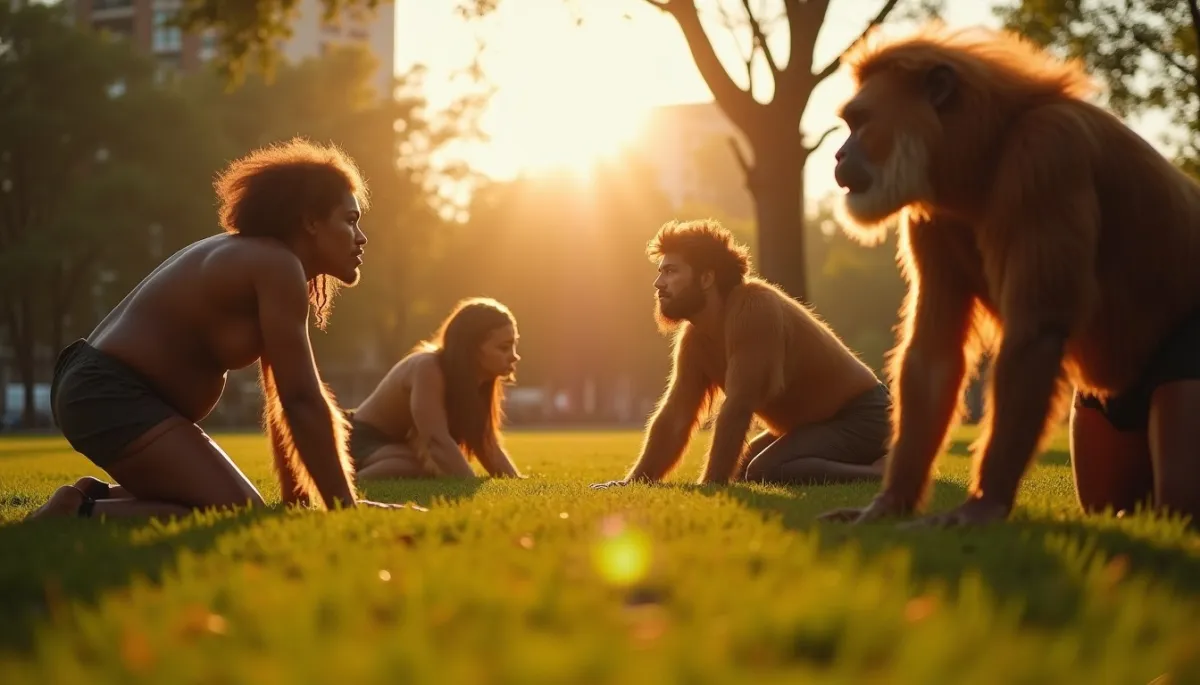
Imagine a Saturday morning class in a sun-warmed park in Los Angeles. A circle of bodies moves low to the ground; hands press into grass, hips open and shoulders glide. Someone slides into a Beast position, another answers with a flowing Ape travel, and laughter cuts through the music when a clumsy attempt becomes a new personal trick. The scene is physical, playful and oddly meditative.
movements that matter
Animal Flow is a training method built around four to six building blocks, often named Ape, Beast, Crab, Scorpion and Undulation, together with wrist mobilizations and transitions (called switches). Each module trains mobility, strength and coordination in integrated ways. Sessions look like a choreography of low, ground-based exercises, rather than isolated lifts or machines.
The practice borrows consciously from yoga (attention to breath and joint lines), from capoeira or breakdance timing, and from the modern natural movement movement popularized by figures like Ido Portal. Trainer Mike Fitch formalized Animal Flow in the early 2010s and launched structured workshops and instructor certifications, which helped the method spread through gyms, studios and online communities.
Because it trains movement quality rather than loading numbers, Animal Flow appeals to people who want function, agility and joint health. Physical therapists and coaches often recommend it as a complement to strength training, to reduce pain from desk posture, and to improve range of motion for daily tasks or sports.
why it grew
The trend answers to several needs in the decade after 2010. First, urban lifestyles increased sedentary behavior, and practitioners looked for movement that restores full-body coordination. Second, the fitness industry shifted toward experiences that blend exercise and play, a change visible in boutique studios worldwide since the mid-2010s.
Animal Flow also fits the zeitgeist of micro-practices. A 20-minute sequence can be done outdoors, at home, or in a small studio with no equipment, which makes it accessible and easy to share on social media. Videos of creative transitions and