The art of amber light: how your living room lighting affects your circadian rhythm
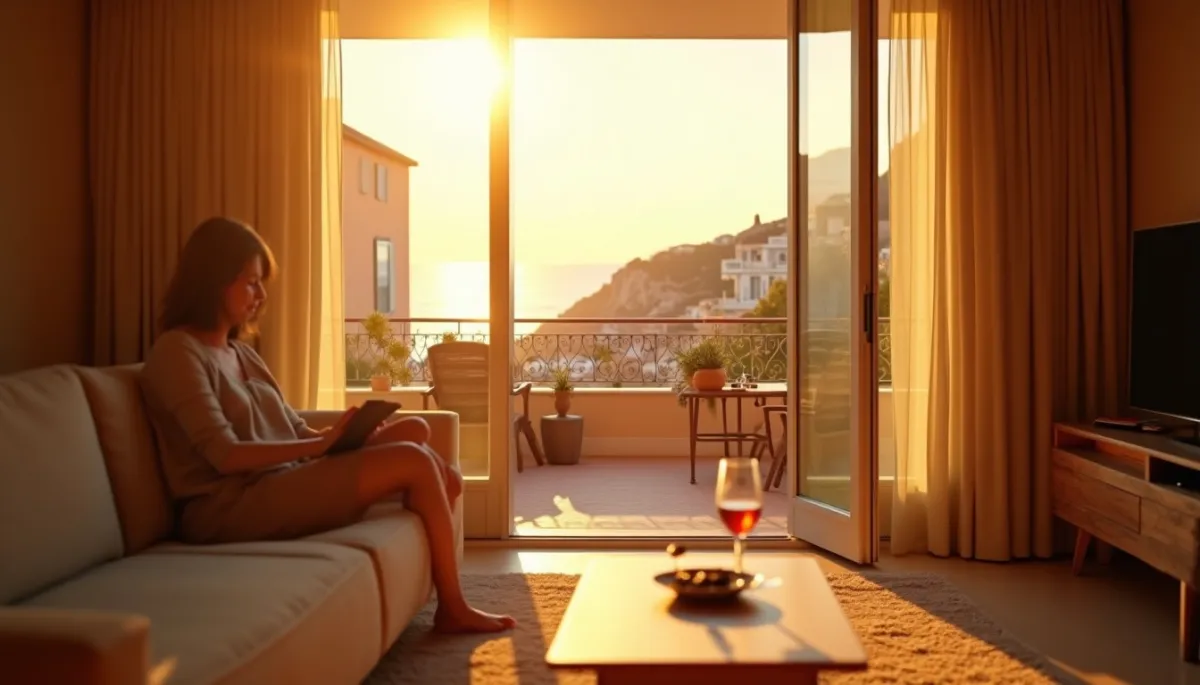
🚀 Key Takeaways
- Key concept : Warm amber light signals evening to the brain and supports melatonin production.
- Practical tip : Use layered lighting, dimmers and warm bulbs after sunset to protect your circadian rhythm.
- Did you know : Mediterranean evenings inspired early indoor lighting habits that favored warm, low-intensity lamps.
The way we light our living rooms is no longer just a question of ambiance. Light is a biological cue. The color, intensity and timing of evening illumination can speed up or delay the signals our brain uses to start preparing for sleep.
In this article I explain the science in plain terms and give hands-on advice you can apply tonight. Whether you live in a city apartment or a coastal villa, a few changes to your fixtures and habits will help you sleep better and feel more rested.
How light controls your internal clock
Your circadian rhythm is a roughly 24-hour internal cycle that regulates sleep, alertness, hormone production and metabolism. Specialized cells in the retina detect not just brightness but color temperature. Blue-rich cool light tells the brain it is daytime and suppresses melatonin, the hormone that prepares the body for sleep.
By contrast, amber and warm light contain less blue wavelength and are interpreted by the brain as evening light. When your living room is lit with warm, low-intensity light after sunset, your body receives clearer cues that it is time to wind down. Small shifts in evening lighting can therefore have outsized effects on sleep quality.
Color temperature, intensity and timing
Color temperature is measured in kelvins. Daylight and cool white bulbs sit around 5000 to 6500 K, while warm amber lighting ranges from about 1800 to 3000 K. For evening use, favor bulbs under 3000 K. They feel softer and are less likely to interfere with melatonin release.
Intensity matters as much as color. Bright overhead lights mimic daytime and can delay sleep onset. Aim for layered lighting: a low-level central lamp, task lights for reading, and a few accent sources. Use dimmers where possible and lower overall lux levels after sunset to support the transition to rest.
Practical living room strategies
Start by identifying your main light sources and their color temperatures. Replace cool white bulbs with warm versions in lamps you use in the evening. If you have smart bulbs, program them to shift from cool to warm tones as sunset approaches.
Introduce layers: table lamps with fabric shades for diffuse amber glow, floor lamps for reading, and subtle indirect lighting that washes walls rather than shining in the eyes. A simple rule: light from behind or to the side is gentler than direct overhead light.
Behavioral tips to pair with lighting
Light is only one part of sleep hygiene. Reduce screen time or use blue-light filters on devices an hour before bed. Plan relaxing pre-sleep rituals in your warmly lit living room such as reading, gentle stretching or sharing a quiet conversation.
Consistency is key. Aim for a regular evening routine and predictable lighting cues. Your brain learns patterns quickly, and repeated warm-light evenings will help consolidate a healthier circadian rhythm over weeks, not just nights.
Design examples and atmosphere
Think of coastal cafes at golden hour: the light is flattering, warm and intimate. Recreate that feeling with amber bulbs, textured lampshades and reflective surfaces that scatter soft light. Natural materials like wood and terracotta enhance the warm palette and create a restful environment.
For open-plan spaces, create dedicated evening corners where light is intentionally softer. Even small changes such as swapping a cool bulb for a 2200 K LED or adding a dimmer can transform the mood and protect your night cycle.
Thanks for reading, and don't forget, Enjoy Life Moments!