Adrian Zecha: the hotelier who invented minimalist, spiritual luxury with Aman Resorts
🚀 Key Takeaways
- Core concept: Small-scale hotels that prioritize privacy, local culture and a spiritual sense of calm.
- Practical tip: To feel the Aman spirit, choose a pavilion or villa, rise early for quiet pools and local rituals.
- Did you know: "Aman" means "peace" in Sanskrit, a name that guided every design and service choice.
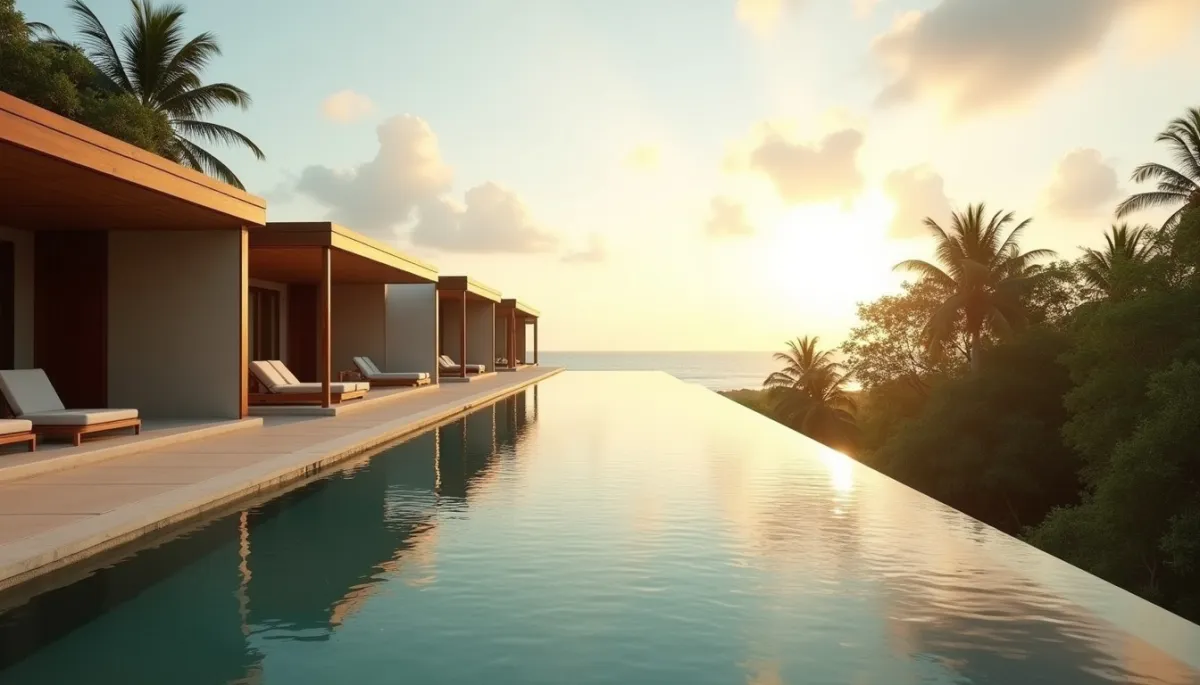
Quiet luxury exists to be felt. Imagine a low row of teak pavilions around a long tropical pool, the sea murmuring beyond, no neon, only the hush of carefully placed palms.
Aman's footprint
Adrian Zecha, born in Indonesia in 1933, is the man behind that hush. In 1988 he opened Amanpuri in Phuket, a property whose restraint contrasted sharply with the era's grand resort palaces.
From that single project, Zecha built Aman Resorts into a collection celebrated by connoisseurs: small hotels, often fewer than 50 rooms, distributed across remote islands, mountains and cities, each intended to feel like a private house rather than a public hotel.
This approach reshaped expectations. Journalists, travel writers and discerning guests began to equate Aman with privacy, architecture that respects place, and service that anticipates without intruding.
Aux sources du rêve
Why did Zecha turn away from conventional luxury? The answer lies in his dislike for spectacle that masks emptiness. He wanted a hospitality that restored attention to silence, craft and locale.
He chose the name "Aman" (Sanskrit for "peace") deliberately. That single word became a design brief: uncluttered spaces, muted colour palettes, locally sourced materials, and communal areas that feel domestic rather than monumental.
Zecha also collaborated with architects who understood restraint, notably Ed Tuttle, whose pavilions and use of water and courtyards crystallized the Aman aesthetic. Together they favored human scale, framed views and discreet service rituals that nod to regional traditions.
Paradoxes et demain
Yet this vision carried contradictions. Minimalism as luxury quickly became desirable, and success brought expansion. Aman grew from a single beach hideaway to dozens of addresses worldwide, including city outposts that translate the signature calm into urban registers.
Growth forced questions: can serenity remain authentic when a brand becomes global? For some properties, scale and commercialization diluted the founding intimacy. For others, careful stewardship and site-sensitive design preserved the original ethos.
Today the legacy is clear. Many modern luxury hotels borrow Aman's vocabulary: private arrival drives, living-room lobbies, wellness rituals and architecture that privileges light and silence. The challenge for hoteliers now is to adopt the form without losing the substance.
Rituel et conseils
How to experience this kind of hospitality if you travel? Seek properties with few rooms, private pavilions or villas, and on-site wellness programs rooted in local practices rather than generic ‘‘spa menus’’. Book a morning swim, a guided walk with a local host, and a meal that highlights regional ingredients.
On the design side, look for low-slung buildings, materials like wood, stone and plaster in natural tones, and common spaces arranged like living rooms. These are cues to the Aman philosophy: architecture that invites stillness.
For hoteliers and designers inspired by Zecha, the lesson is operational as much as aesthetic. Prioritize human rhythms, invest in staff training that cultivates empathy, and protect sightlines and quiet zones even as you add amenities.
Adrian Zecha did not invent luxury itself. He reframed it. By insisting on scale, silence and rootedness, he offered a different promise: not to overwhelm the senses, but to return them to presence. That remains one of the most influential gestures in contemporary travel.
Thanks for reading, and don't forget, Enjoy Life Moments!