Why pleasure is essential in food
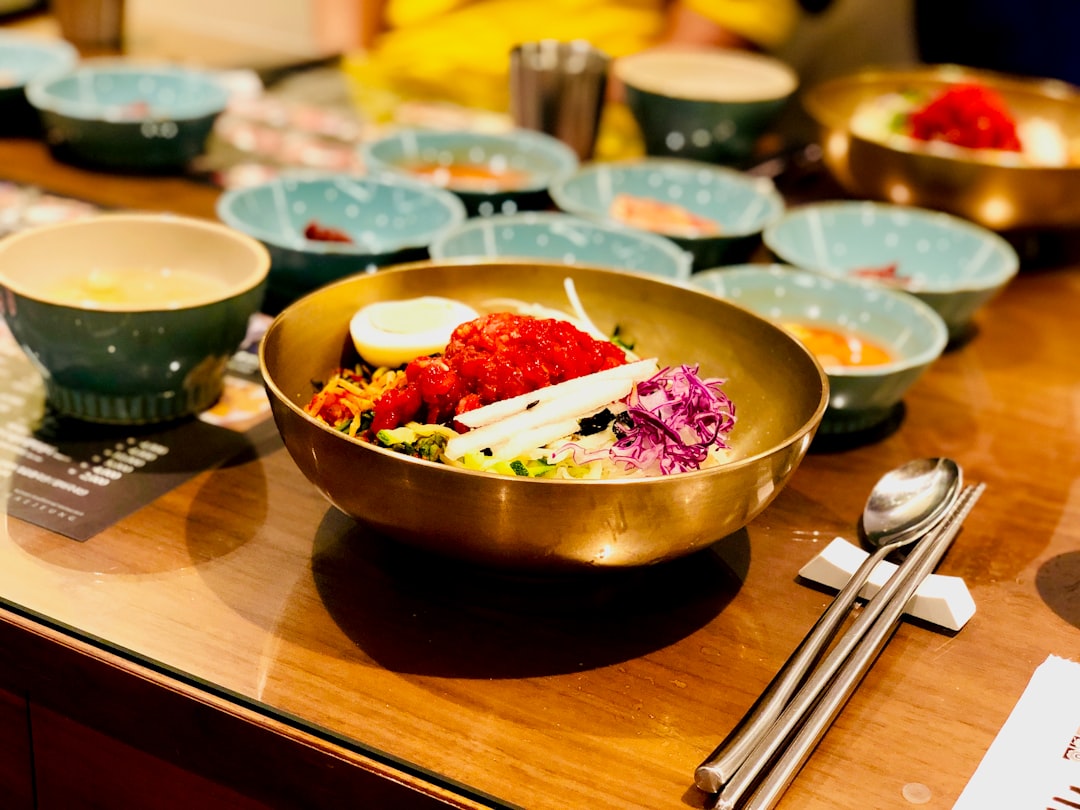
We have long opposed pleasure and health in nutritional discussions. In 2026, research and practices show on the contrary that combining sensory delight and a balanced diet promotes a lasting and healthy relationship with food.
From the biology of taste to family rituals, pleasure nourishes the body as much as social bonds. This article explores why it is essential, how it affects our eating behavior and how to cultivate it on a daily basis without excess.
Neuroscience: pleasure activates circuits that regulate appetite
Food pleasure mobilizes brain circuits linked to reward, memory and motivation. These mechanisms help us recognize nutritious foods and repeat behaviors favorable to survival. Learn more about the basics of pleasure at Wikipedia, which summarizes current knowledge.
Contrary to the received idea that pleasure systematically leads to overconsumption, it can reinforce qualitative satiety: savoring slows down the pace, increases sensory perception and promotes the feeling of satisfaction before excess.
Pleasure and food regulation: less frustration, more balance
Approaches based on deprivation often reinforce compensatory behaviors (cracking, yo-yo dieting). Integrating pleasure reduces psychological frustration and helps maintain balanced food choices in the long term.
The practice of mindful eating illustrates this principle well: by paying attention to textures, aromas and satiety, we eat less but better. Media and experts have popularized these approaches in the national press and culinary blogs, reflecting a movement towards sustainable and happy eating, visible in press coverage such as on Le Monde.
Social dimension: the meal as a space of pleasure and connection
Eating is not an isolated activity: it is a moment of sharing. Convivial meals strengthen family and friendship bonds, improve emotional well-being and encourage more varied and balanced eating practices.
Rituals — slow breakfasts, shared dinners, collective cooking — encourage taste experimentation and the transmission of culinary know-how, essential to dietary diversity and cultural resilience.
Pleasure and health: choosing useful pleasure
Pleasure can be a lever to make healthy options attractive: a colorful plate, careful cooking, careful presentation increase adherence to vegetables, whole grains and lean proteins. Sustainable gastronomy aims precisely to combine taste and nutrition.
It's about avoiding the binary health/pleasure opposition: favoring pleasures with low metabolic cost (spices, herbs, culinary techniques) rather than regular caloric excesses. Thus, food becomes a source of pleasure without compromising long-term health.
Concrete practices to reintroduce pleasure into everyday life
Start by slowing down: put the fork down between each bite, breathe, identify three sensory characteristics (texture, taste, smell). These micro-habits promote satiety and recognition of pleasure.
Vary the textures and colors on the plate, invest in a few quality ingredients, cook as a family and create food rituals (roasted vegetable evenings, sweet and sour Sundays). These simple gestures transform routine into expected moments.
Responsible pleasure: sustainability and conscious consumption
Sustainable pleasure takes into account the origin of products and their impact. Choosing local, seasonal and carefully prepared products increases real taste and reduces the ecological footprint. The link between terroir, know-how and flavor is often underestimated.
Reducing waste, recycling leftovers and prioritizing quality over quantity allows you to reconcile indulgence and responsibility. Pleasure aligned with values prolongs psychological satisfaction.
Thanks for reading, and don't forget, Enjoy Life Moments!