Ultra-exclusive safaris: wild adventure with five-star palace comfort
🚀 Key Takeaways
- Concept key : Private concessions, few guests, tailor-made experiences.
- Practical tip : Ask about conservation fees and community partnerships before booking.
- Did you know : Many ultra-luxury safaris include helicopter transfers and private-use lodges.
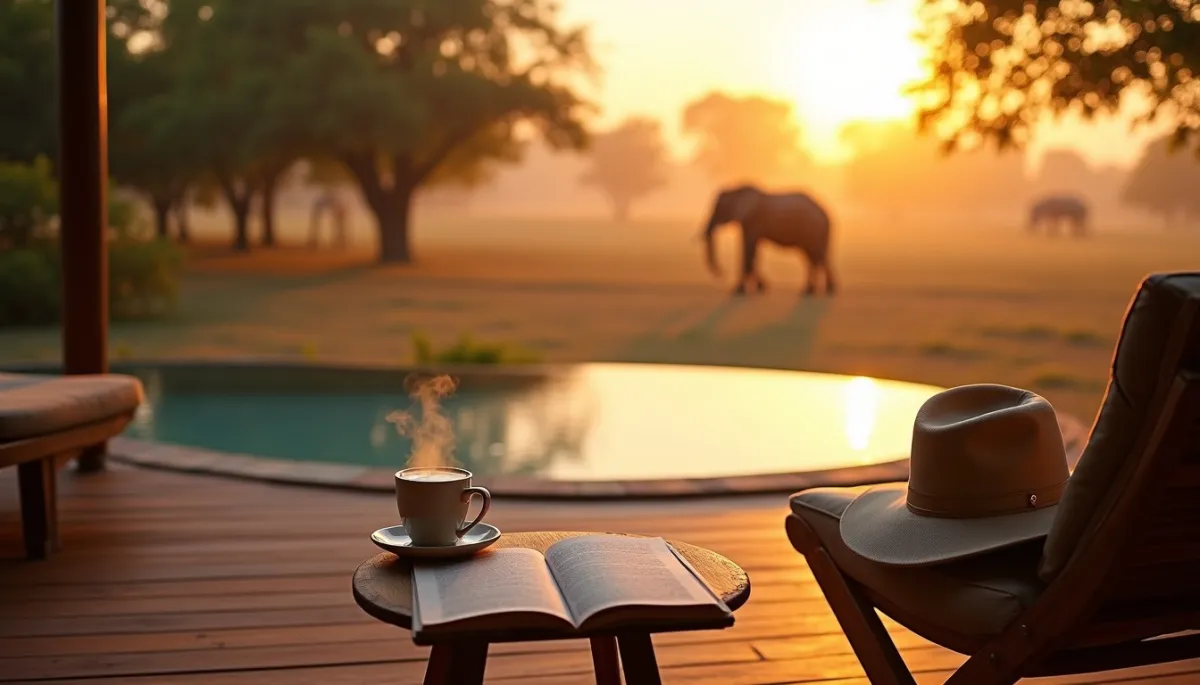
Silence can be as lavish as champagne. Imagine waking before dawn on a teak deck, a private guide whispering that a leopard crossed the river an hour ago, while steam rises from a nearby espresso cup.
intimate settings
Ultra-exclusive safaris privilege space and privacy. Instead of a crowded national park, travelers occupy private concessions where only a handful of guests stay at any time. Properties like Singita, Royal Malewane, Londolozi or &Beyond's private camps in Botswana and South Africa offer villas or suites with plunge pools, personal butlers and full spa menus.
These lodges are intentionally small, often fewer than ten rooms, which allows for tailor-made schedules. A late breakfast after a photographic morning, a private night drive to track nocturnal predators, or a bush dinner under lantern light are routine offerings.
Service mimics that of a five-star palace, with high staff-to-guest ratios, bespoke cuisine often using local produce, and attention to design and comfort. Yet the décor respects place, combining natural materials with contemporary luxury, so the inside feels as intentional as the surrounding landscape.
why the rise
Demand for ultra-exclusive safaris has accelerated since affluent travelers sought safer, more private experiences after the pandemic. But the trend predates 2020. Longtime clients of luxury houses wanted not only exclusivity, but meaning: time in nature, photographic opportunities, and experiences that engage local communities.
Operators answer with vertically integrated offers. Helicopter or small-plane transfers, private-use camps, personalised conservation experiences and expert naturalist guides are standard. Companies such as Wilderness Safaris, Singita and newer bespoke operators like Ker & Downey combine hospitality with conservation programs to add purpose to pleasure.
From a business perspective, limited guest numbers can mean higher per-guest revenue, allowing lodges to invest in habitat protection and community projects. Many suites command rates of several thousand dollars per night, but guests often accept the premium in exchange for privacy and unique wildlife encounters.
ethical complexity
Exclusivity raises questions. When a concession is privatized, local communities and public access may be affected. Reputable operators increasingly publish transparency reports, paying conservation levies and investing in community education and health clinics, but practices vary across the continent.
There is also an environmental paradox: guests travel long distances, sometimes via private jets or helicopters, to reach remote lodges. High-end operators attempt to mitigate this with carbon offset programs, solar power installations, and low-impact mobile camps that leave minimal traces.
Future developments point toward stronger accountability. Certification schemes and partnerships with NGOs, as well as clearer reporting on community benefits, will likely become selling points for the next generation of ultra-luxury safaris.
real encounters
Concrete stories make the promise credible. In the Okavango Delta, a private camp can arrange a silent mokoro (dugout canoe) at sunrise, letting guests glide past elephants bathing, while a guide interprets subtle tracks. In Sabi Sand and the greater Kruger area, photographic safaris led by specialist guides have produced world-class images of leopard behavior, often shared in conservation journals.
In Zambia's South Luangwa, walking safaris offer a different intimacy, where guests follow spoor with a ranger and learn to read the landscape. Elsewhere, Tanzania's Serian camps run mobile tented safaris timed to migration, giving guests front-row seats to the river crossings, with the comforts of a personal chef each night.
For many, the pinnacle is a fully private-use camp. You control the itinerary, dine when you wish, and bring family or friends. That privacy turns a wildlife trip into a profound shared memory, whether it is a photographic workshop, a honeymoon or a multi-generational reunion.
practical advice
When booking, ask if your rate includes park fees, transfers, and guide gratuities. Confirm the lodge's conservation commitments and whether local communities benefit tangibly. Check vaccination and visa requirements, and plan travel time realistically: reaching a private concession can require multiple transfers.
Pack for versatility: light layers for dawn drives, breathable long sleeves for walking, and a neutral palette for photography etiquette. Consider travel insurance that covers bespoke itineraries, including helicopter transfers.
Finally, balance desire and impact. Choose operators transparent about sustainability, and consider extending stays in local villages or national parks to spread economic benefits beyond the lodge itself.
Thanks for reading, and don't forget, Enjoy Life Moments!