Sacred cacao: rediscovering hot chocolate as a wellness ritual
🚀 Key Takeaways
- Core idea : Ceremonial cacao is a mindful preparation of minimally processed cacao for emotional and somatic benefits.
- Practical tip : Use 60-85% cacao paste, warm (not boiling) water or milk, a pinch of spice, and set a 10-minute intention before sipping.
- Did you know : Spanish chroniclers in the 16th century described xocolatl; recent studies (Kuna population) linked flavanol-rich cocoa to cardiovascular benefits.
Close your eyes and breathe in the warm, bittersweet aroma.
Imagine a small kitchen in Oaxaca at dawn, a clay pot warming on slow fire, a woman grinding cacao beans with a metate while a neighbor lights a candle. The cup she hands over is dense, slightly grainy, spiced with cinnamon and a whisper of chili. It is more than a drink; it is a moment to slow down, set an intention and speak quietly before the day begins.
Notes d'histoire
Cacao was sacred long before it became candy. The Olmecs, the Maya and the Aztecs used cacao in rituals and as currency. Spanish conquistadors in the 16th century recorded xocolatl, a bitter, spiced beverage consumed in ceremonies and court life. By the 19th century, industrial processing transformed cacao into the sweet chocolate bars we know, shifting the focus from ritual to commodity.
In recent decades, a countercurrent emerged. From the 1990s onward, ethnobotanists and wellness practitioners began reviving the idea of a "ceremonial cacao" (a term describing bean-to-paste preparations meant for ritual use, not confectionery). Cacao ceremonies have since spread across North and South America, Europe and Australasia, often blending indigenous traditions with yoga, breathwork and sound bathing.
Today, the global chocolate market is enormous, but a niche of small-scale farmers and craft makers emphasizes single-origin, minimally processed cacao. Initiatives in Guatemala, Chiapas (Mexico) and Belize aim to restore traditional varieties and fairer supply chains, reconnecting taste with terroir and ritual meaning.
Pourquoi ce regain
Several forces explain why people return to ceremonial cacao. First, there is a hunger for slower rituals in a fast, screen-dominated life. A cup of cacao offers a simple framework: prepare, breathe, sip, reflect. This can anchor a day or punctuate a moment of grief, joy or creative work.
Second, science gives some weight to the practice. Cocoa is rich in flavanols, compounds associated with improved mood, cognitive function and vascular health. A well-known field study among the Kuna people of Panama linked high-flavanol cocoa consumption to lower blood pressure and reduced cardiovascular risk. Other randomized trials, notably since the 2000s, suggest modest benefits for attention and mood when high-flavanol cocoa is used.
Third, the wellness industry’s fascination with authenticity made room for ritualized beverages. Coffee rituals, tea ceremonies and now cacao gatherings answer a cultural craving for community experiences that feel meaningful and hand-made, not mass-produced.
Les limites et débats
Yet the trend raises questions. Appropriation is a real concern. Many contemporary ceremonies borrow ceremonial language and practices without adequate recognition or compensation to Indigenous communities who cultivated these traditions for millennia. Responsible hosts name sources, pay fair prices and learn from local stewards when possible.
Another contradiction lies in processing and sugar. Commercial hot chocolate often contains additives and high sugar, which counteract the potential benefits of pure cacao. The ceremonial approach favors minimally processed cacao paste (sometimes called 'cacao ceremonial' or 'cacao puro'), with low added sweeteners, preserving flavanols and the bitter profile that encourages mindful sipping.
Finally, individual responses vary. Cacao contains theobromine and trace caffeine; for some people, especially those sensitive to stimulants, it can disturb sleep or increase anxiety. Moderation and timing (morning or early afternoon) are simple adjustments.
Rituel pratique
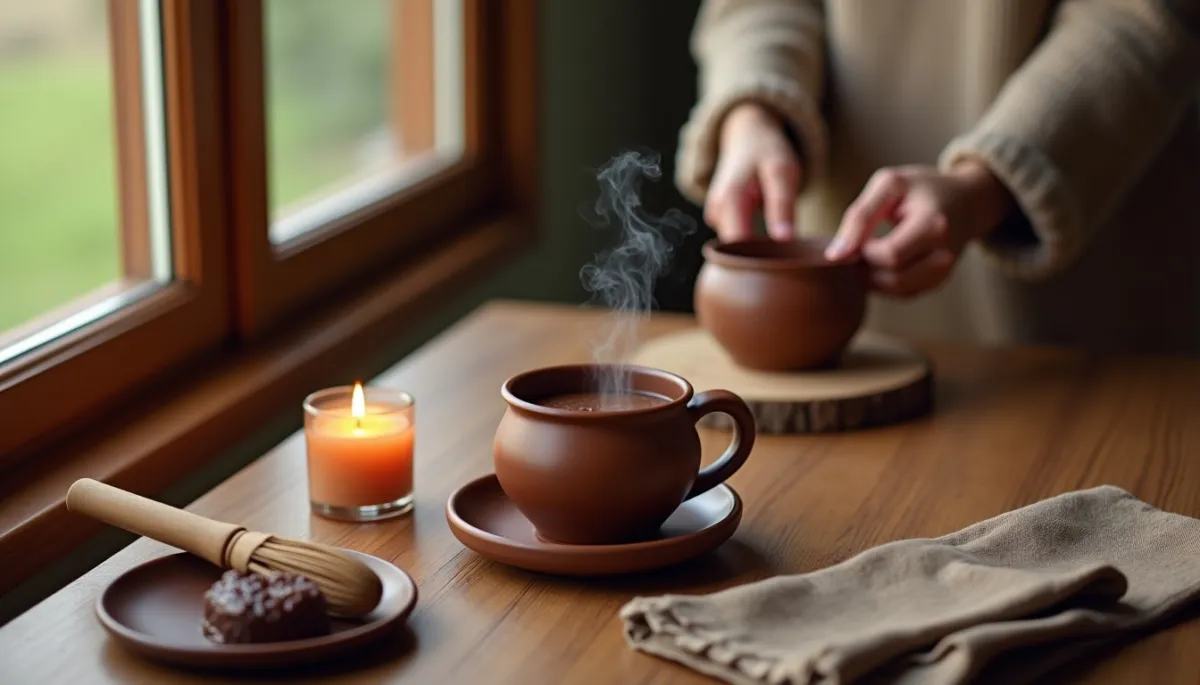
To try a simple ceremonial cup at home: use 20–30 g of pure cacao paste per person, warm gently with 150–200 ml water or plant milk, whisk until smooth, add a pinch of sea salt and a touch of cinnamon or chili. Sit with your cup for five to ten minutes, breathe, set an intention (a short sentence or question) and sip slowly, noticing sensations.
For a deeper experience, pair cacao with a five-minute breathwork sequence, or invite friends to a shared circle where each person speaks briefly about gratitude. Seek cacao sourced from small cooperatives, labeled single-origin or ceremonial, and favor transparent traceability.
Cacao is not a panacea, but when treated as ritual rather than quick fix, it can be a gentle tool for presence and connection. A warm cup can become an invitation to slow down, to remember roots and to savor the ordinary as sacred.
Thanks for reading, and don't forget, Enjoy Life Moments!