The evolution of rigid luggage: from vintage aluminum to carbon fiber
🚀 Key Takeaways
- Core concept : Rigid luggage evolved from heavy metals to composite materials to meet demands for durability and lightness.
- Practical tip : Aluminum ages with dents that tell stories; carbon fiber needs UV-safe resin and careful maintenance.
- Did you know : Brands such as Rimowa shaped the aluminum aesthetic, while carbon fiber borrows technologies from aerospace and motorsport.
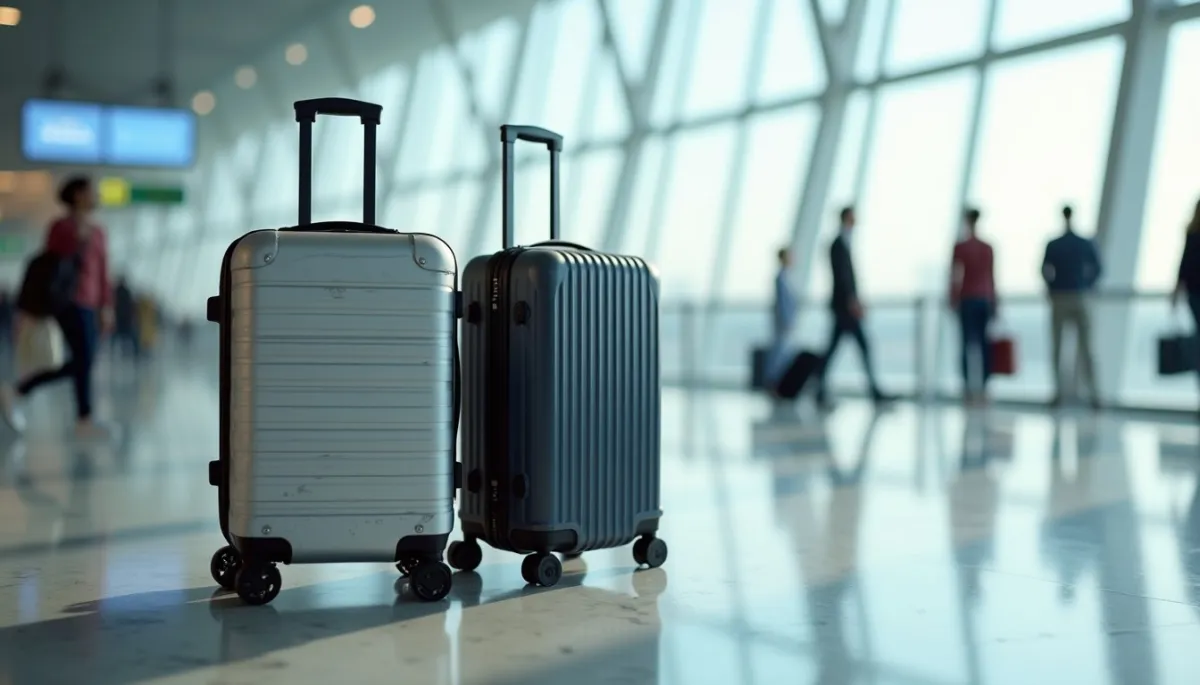
There is poetry in a clink of metal. Imagine arriving at a Parisian hotel, a weathered aluminum case rolling behind you on brass castors, its grooves catching the morning light.
lines that endure
The classic image of a grooved aluminum suitcase is inseparable from modern travel. Companies like Rimowa, founded in 1898, made the ribbed aluminum shell iconic, a symbol of durability and design that migrated from ocean liners and trains to airport concourses.
Aluminum cases offered protection for fragile items, and their surface told a journey through dents and scratches. Zero Halliburton and other ateliers produced aircraft-grade aluminum trunks favored by professionals who needed theft resistance and structural strength.
Through the 20th century, rigid luggage signaled status. From the Pullman cars of the 1920s to business class cabins in the 1990s, a solid case represented intent to travel with purpose and care.
lightness rewriting rules
In recent decades, two pressures altered the story: stricter airline weight limits and the premiumization of travel accessories. The rise of polycarbonate shells in the 1990s and 2000s offered flexibility and lighter weight, but high-end design pushed makers to explore composites.
Carbon fiber, long used in aerospace, Formula 1 and high-end bicycles, arrived in luggage as a promise of exceptional strength-to-weight ratio. Specialist ateliers and a few niche brands began offering carbon fiber suitcases, often at prices in the thousands of euros.
The appeal is technical and emotional. Carbon fiber is visually distinct, with woven patterns and a matte sheen. It answers modern needs: lighter carry, high stiffness, and an aesthetic that reads like performance engineering rather than mere ornament.
materials meet markets
The adoption of new materials follows market realities. Luggage makers respond to travellers who want durability without airport surcharges, collectors who prize rarity, and sustainability concerns that influence manufacturing choices.
Luxury groups have taken note. LVMH’s acquisition of Rimowa in 2016 was as much about heritage design as about modernizing production and distribution. Today, collaborations between designers and engineering teams draw on carbon layup techniques (layers of fiber pre-impregnated with resin, cured under pressure) to create unique products.
At the same time, many mainstream travellers choose engineered plastics for value and lightness, while enthusiasts invest in metal or carbon for longevity and statement-making. The market now spans mass-market polycarbonate to limited-edition carbon shells.
the price of progress
Progress comes with trade-offs. Aluminum is highly recyclable and repairs can be artisanal, but dents are part of its language. Carbon fiber offers performance but remains costly to produce, and recycling is complex (though research and start-ups are developing better reclaiming methods).
There is also a practical side: carbon fiber is very stiff, which protects contents, but when damaged, repairs require specialist intervention. UV exposure and surface abrasion depend on the resin system used, so maintenance differs from metal or plastic cases.
Designers are experimenting. Hybrid approaches pair aluminum frames with carbon skins, or combine recycled fibers with bio-based resins. Expect ateliers in Milan, Tokyo and Los Angeles to keep testing new blends that balance lightness, cost and circularity.
what to know before buying
If you travel frequently, consider the lifecycle. Aluminum lasts decades, can be refurbished, and conveys provenance. Carbon fiber is for those who prioritize weight and modern aesthetics, and who accept a higher price and specialist care.
Look for warranties and service networks. Heritage brands often offer repair services, factory replacements and parts. Ask about the resin used in carbon pieces and whether the manufacturer provides guidance for cleaning and impact repair.
Finally, treat your case as an investment in experience. A dented aluminum shell tells a story. A carbon fiber case makes a different promise: efficiency, engineering and a certain contemporary elegance.
Thanks for reading, and don't forget, Enjoy Life Moments!