Paulo Coelho: the Camino de Santiago that inspired The Alchemist
🚀 Key Takeaways
- Core idea : A physical pilgrimage sparked an inner transformation.
- Practical tip : For the Camino, carry a credencial, light boots, and a sense of curiosity.
- Did you know : The Routes of Santiago de Compostela are a UNESCO World Heritage site since 1993.
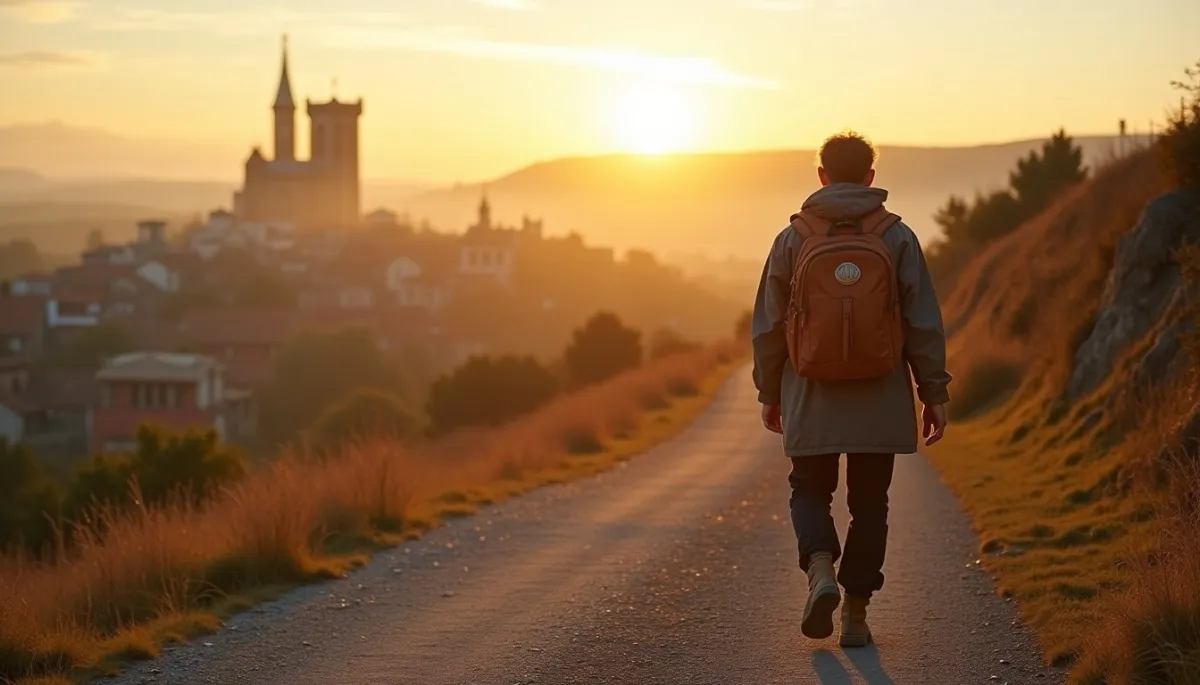
He walked until his thoughts grew quiet. Imagine early morning mist on a dusty path, the scallop shell on a backpack catching the light.
Lasting echoes
Paulo Coelho, born in Rio de Janeiro in 1947, was already an unconventional figure before 1986. He had worked in theatre and music, been jailed briefly during Brazil's military era, and published a few books without wide international recognition.
His two best-known books tied to that epoch are The Pilgrimage (published 1987) and The Alchemist (published 1988). The first is a non-fiction account of his walk on the Camino de Santiago (a network of pilgrimage routes leading to Santiago de Compostela, Spain). The second is a short allegorical novel that became a global phenomenon, translated into many languages and read by tens of millions.
The Camino left concrete traces in Coelho's writing: motifs like the guide, the mentor figure, tests on the road, and the search for a personal legend (a concept he popularized meaning one’s true purpose or destiny).
Steps that led him
In April 1986 Coelho undertook the pilgrimage that would prove decisive. He travelled the Camino Francés, the classic route that runs roughly 800 kilometres from Saint-Jean-Pied-de-Port to Santiago, passing Roncesvalles, Burgos and León.
On the way, he kept a diary and met a mix of fellow pilgrims: older walkers, students, locals in albergues (pilgrim hostels). The road's daily demands and the conversations with strangers became material. He also encountered spiritual teachers who questioned his priorities, and minor miracles that shape his later tales.
Back in Brazil, and later in Europe, Coelho turned those notes into The Pilgrimage. That text was both a travel memoir and a manual of inner quests. It clarified the voice and philosophy he would sharpen in The Alchemist, a fable about a shepherd's search for treasure that is really about following one’s heart.
Contradictions and continuities
Coelho's story contains paradoxes. A pilgrimage, a humble and often Catholic practice, inspired writings that blend mysticism, New Age motifs, and universalist messages. Some critics accuse him of simplifying spiritual traditions, and others celebrate the accessibility he brings.
Another tension: the intimate, slow rhythm of walking contrasts with Coelho's later global celebrity. After The Alchemist's success, his books reached stadium-sized audiences, which created both admiration and skepticism about authenticity.
Still, the Camino’s imprint remains visible. The practical rituals of the pilgrimage (the scallop shell symbol, the credencial that earns a compostela certificate on arrival, the albergues) appear in his work as metaphors for discipline, proof and community.
Practical notes for travellers
If you consider following Coelho’s steps, aim for spring or early autumn to avoid extremes of heat or crowds. Register your pilgrim’s passport at the start, sleep in albergues when possible, and learn basic Spanish or helpful phrases.
Keep luggage light: a 10 to 12 kg pack is a common guideline. Respect local customs, and remember the Camino is both a physical challenge and a social experiment; talk to people, listen to stories, but also guard time for solitude.
Whether you seek literary pilgrimage or simple walking, the Camino is a stage for small revelations. Coelho’s walk shows how the road can transform an inner landscape, and how a brief personal experiment can become a narrative that resonates worldwide.
Thanks for reading, and don't forget, Enjoy Life Moments!