Garrard: the fascinating story of the first official crown jeweller
🚀 Key Takeaways
- Concept clé : Garrard was founded in 1735 and served as Crown Jeweller from 1843 until 2007.
- Practical tip : Look for Garrard hallmarks and provenance when assessing vintage pieces.
- Le saviez-vous : Garrard set the famous Cullinan I diamond into the Sovereign's sceptre, and designed Diana's sapphire engagement ring.
It sparkles with history.
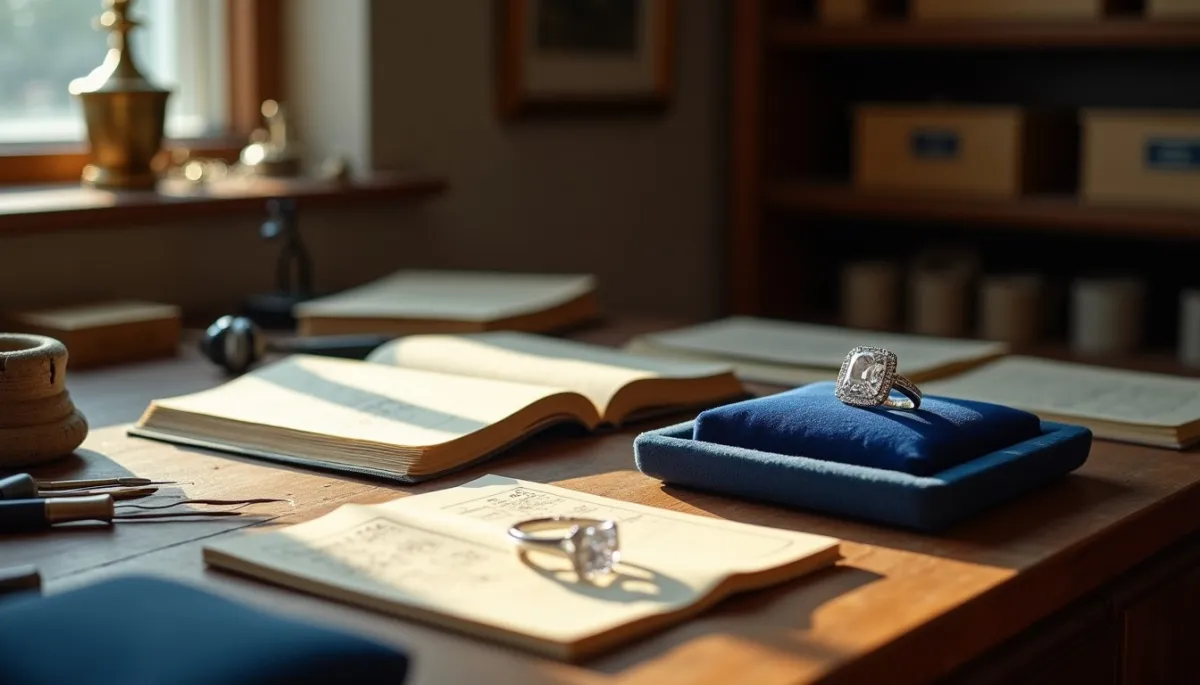
Imagine stepping into a quiet Mayfair atelier in the early 1900s, sunlight slanting across workbenches where jewellers file gold, place tiny prongs, and map sketches of crowns. The air smells of metal and grease, and above the bench, a ledger records commissions from palaces. In that scene Garrard operates, a firm that for generations bridged private opulence and public ceremony for the British monarchy.
A royal rendezvous
Garrard's association with the British crown is part myth, part meticulous record keeping. Founded by George Wickes in 1735, the house rose from a St James's workshop to become the Crown Jeweller in 1843, a title it held for more than 160 years.
That exceptional tenure meant Garrard designed, altered and maintained many pieces central to state ritual. Among the company's best known acts was the setting of the Great Star of Africa, known as Cullinan I, into the Sovereign's sceptre in the years after the stone's discovery and cutting. It was a moment where gemology, national pride and ceremony converged.
Beyond sceptres and crowns, Garrard created jewellery that entered popular imagination. Most famously, in 1981 Garrard crafted the oval Ceylon sapphire engagement ring given by Prince Charles to Diana Spencer. The piece later became part of the public consciousness again when it appeared on Catherine Middleton's finger in 2010.
Roots and craftsmanship
To understand Garrard is to understand the slow apprenticeship of British jewellery. The house began with hand skills transmitted from bench to bench, and an early clientele among nobility and gentry who prized discreet, flawless work.
Garrard's craftsmen mastered techniques that remain vital: precision setting, complex mounting for large stones, and the creation of balanced pieces that read well both at court and on the stage of public ceremony. The workshop ethos was as important as the jewels; drawings, pattern books and archives recorded every commission.
An instructive detail: the Cullinan diamond was cut by the Asscher family in Amsterdam. Garrard's role was to design and execute a setting worthy of the gem and the monarchy. That collaboration shows how technical expertise, international exchange and artistic judgement come together in great jewellery.
Futures and questions
Garrard's story did not stop with the loss of the Crown Jeweller title in 2007. The firm underwent ownership changes and repositioning, adapting to a global luxury market while leaning on its royal pedigree. Like many historic maisons, Garrard faces modern questions about sustainability, transparency and the meaning of heritage in a changing world.
Collectors and museums continue to prize Garrard pieces. Provenance matters: a documented link to a royal commission, an archive drawing, or a stamped hallmark will increase both value and interest. For those curious, pieces appear in exhibitions, and select items remain visible in public collections related to the Royal Collection Trust.
Practical advice for buyers: seek documentation, learn hallmarking (look for maker's mark and date letter), and consider condition and restoration history. Buying Garrard is buying craft and ceremony, but also responsibility toward conservation.
Garrard is both relic and living brand. It reminds us that jewellery can be civic as well as personal, an object that carries stories across generations. Whether on a sovereign's head or an engagement announcement, its work crystallises moments of power, love, and national memory.
Thanks for reading, and don't forget, Enjoy Life Moments!