Culture and well-being: why one nourishes the other
The meeting between culture and well-being is no longer a niche idea: it is becoming a recognized social, therapeutic and personal strategy. Between creative workshops, outdoor concerts, shared readings and community kitchens, culture shapes rituals that soothe, stimulate and connect.
This article explores why and how one nourishes the other, drawing on recent initiatives, scientific evidence and concrete tips for integrating culture into your daily life, even with a busy schedule.
Culture as a fuel for well-being
Active cultural practice (painting, dance, music, theater, cooking) stimulates brain circuits involved in reward, memory and emotional resilience. Participating in an artistic activity causes a release of endorphins and promotes better stress regulation.
Beyond individual feelings, culture offers frameworks of meaning and narrative that help process life experiences. Stories, traditions and collective creations constitute tangible resources for mental health and quality of life.
Scientific evidence and 2026 initiatives
Recent studies, compiled and accessible on encyclopedic resources such as Wikipedia (well-being), show robust correlations between cultural engagement and mental health indicators. Research in cultural neuroscience confirms the positive impact of artistic practices on anxiety, mild depression and cognition.
In 2026, models like “social prescribing” are spreading: doctors are now directing patients towards artistic workshops, museum visits or reading groups. The national media report these innovations, notably via surveys and reports on Le Monde, which document the effectiveness of cultural programs in neighborhoods and hospitals.
Accessible practices to integrate into everyday life
You don't have to be an artist to benefit from culture: listen to a playlist designed for concentration, follow a literary podcast during your commute, or sign up for a weekly writing workshop. These micro-habits are simple to implement and have a powerful cumulative effect.
The technologies of 2026 make access easier: applications that offer local cultural tours, immersive experiences in AR/VR to discover a museum from home, or guided audio playlists for sensitive walks. The important thing is regularity and the intention behind the practice.
Travel, slow tourism and immersive experiences
Cultural tourism is evolving towards slow travel: favoring stays where you learn a local technique, where you share a meal with locals or where you participate in an artistic residency profoundly transforms the experience and rest. These stays promote digital disconnection and sensory reconnection.
Immersive trips are not reserved for long getaways: thematic weekends (gastronomy, crafts, intangible heritage) allow you to recreate a micro-space of meaning and regeneration. In 2026, local offers will multiply, supported by collectives and cultural centers.
Culture, social connection and intimacy
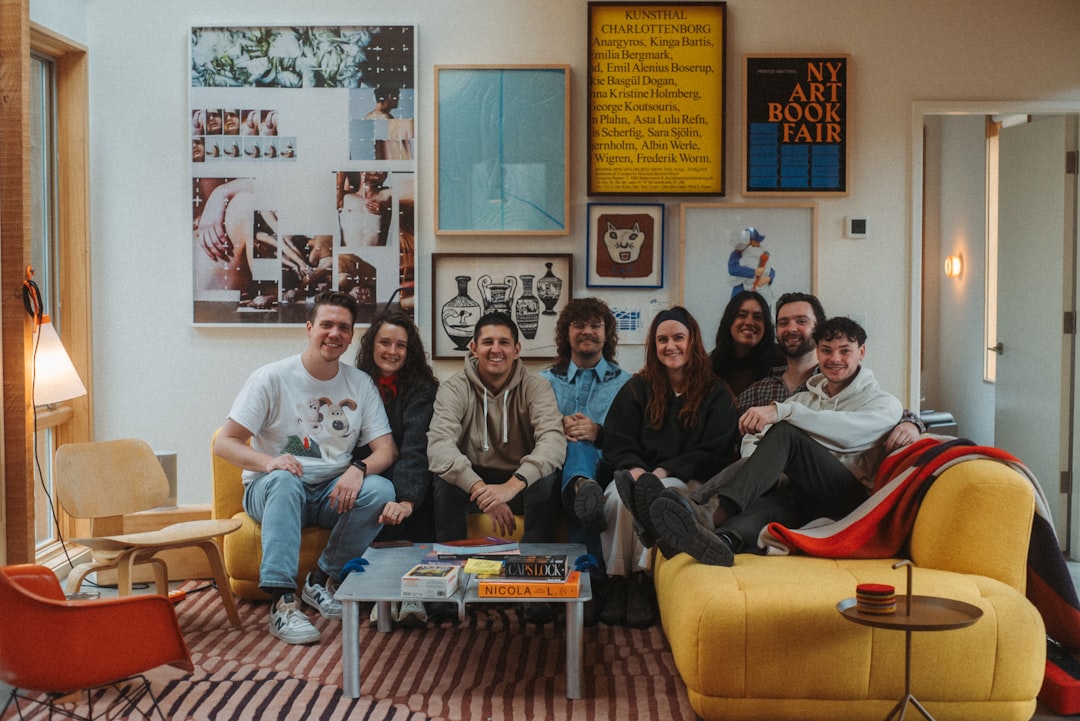
Culture is a powerful vector of social connection: choirs, philosophy cafés, intergenerational workshops or shared meals create spaces of trust. These rituals strengthen social attachment, reduce loneliness and improve self-esteem — key factors for emotional well-being.
On an intimate scale, sharing a work (film, book, playlist) with a loved one can open deep conversations and renew complicity. Collective creation, even informal, sets milestones of meaning that nourish relationships and personal identity.
Practical tips to get started today
1) Choose a realistic frequency: 20 to 30 minutes three times a week is better than one big monthly session. 2) Vary the formats: workshop, listening, visit, reading, cooking — diversity stimulates creativity and avoids weariness.
3) Look for local resources (cultural centers, libraries, associations) and social prescription programs, which increasingly exist. 4) Hire a friend: shared culture strengthens membership and makes the benefits last.
Investing in culture means investing in a form of preventive health and in the collective quality of life. In 2026, integrating culture into your routine is an approach that is both modern and deeply human.
Thanks for reading, and don't forget, Enjoy Life Moments!